Barcelona Must Release Robert Lewandowski Despite Replacement Challenges
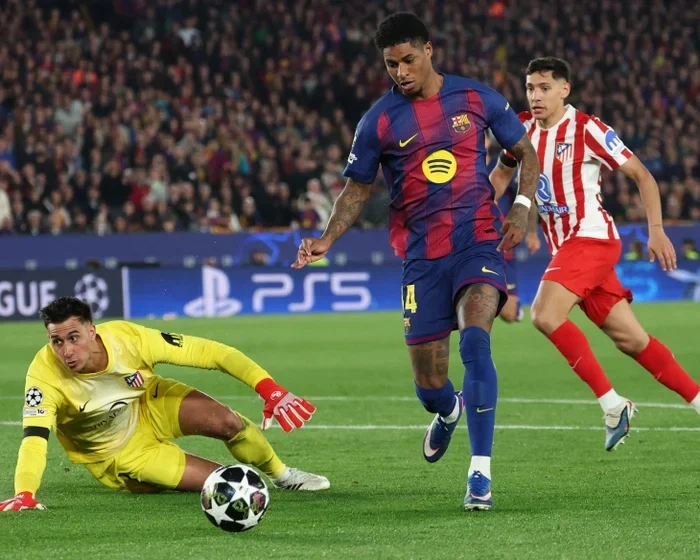
When Barcelona travelled to the Metropolitano to face Atlético Madrid on 6 April 2026, the match carried extra weight as a potential seven‑point swing in the La Liga title race after Real Madrid’s defeat at Mallorca.
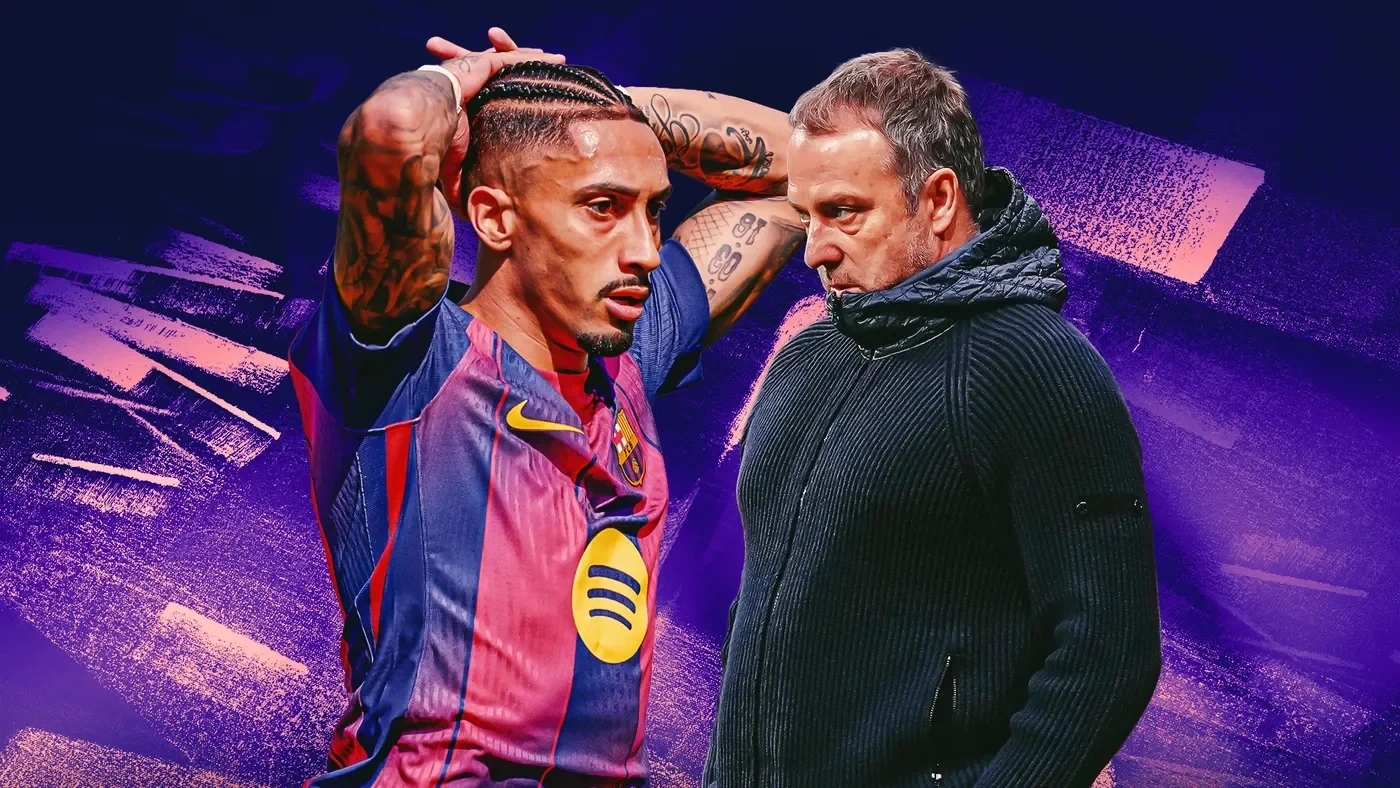
Diego Simeone fielded a rotated side, preserving his best eleven for the upcoming Champions League quarter‑final, while Hansi Flick deployed what he considered his strongest XI despite a spate of injuries.
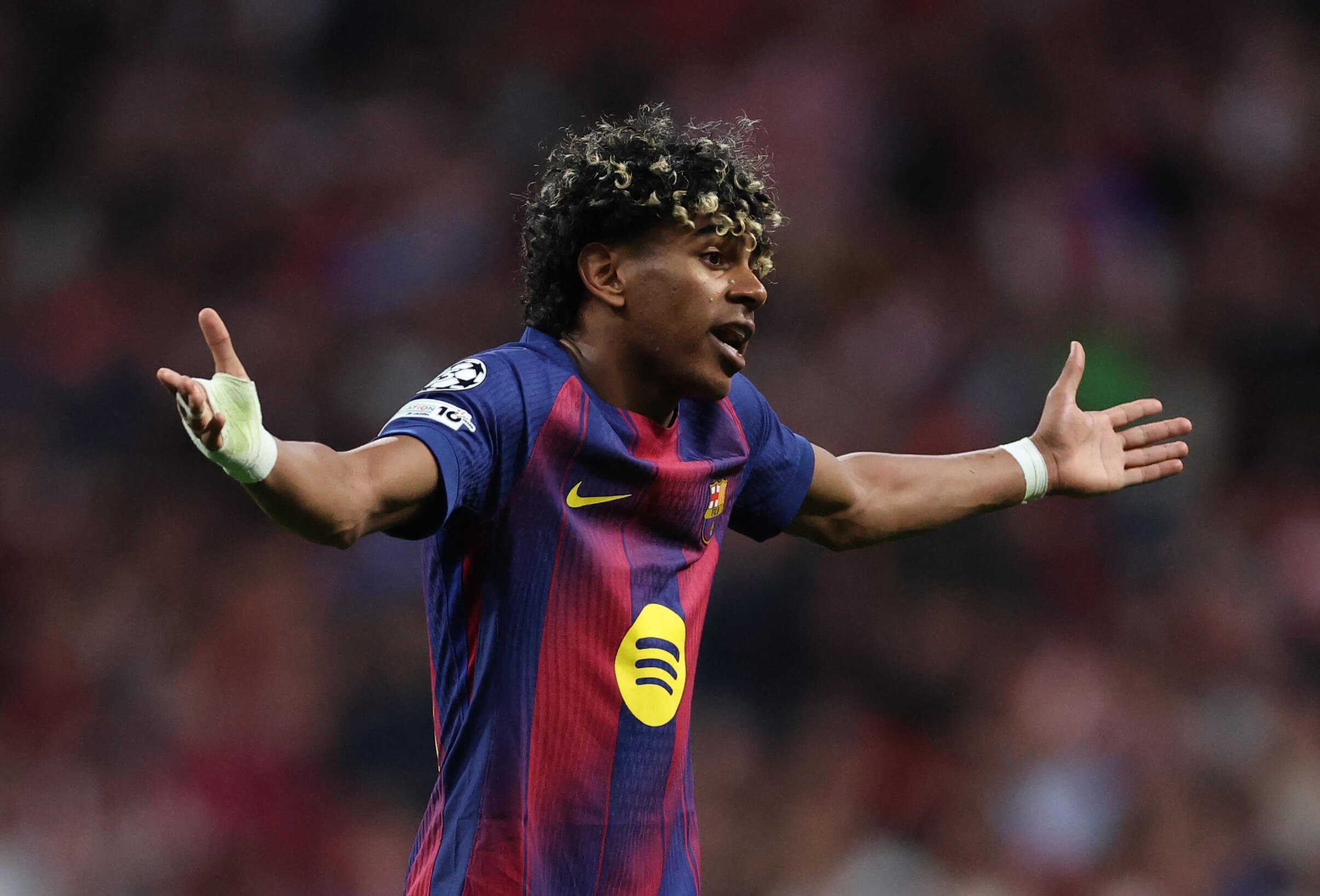
Injuries sidelined Raphinha, Frenkie de Jong and left‑back Jules Koundé, yet Flick’s lineup featured Dani Olmo in a false‑nine role, flanked by the youthful Lamine Yamal and England striker Marcus Rashford.
Olmo’s partnership with Rashford produced the equaliser just before halftime, but Flick abandoned the experiment at the break, opting for Ferran Torres to lead the line.
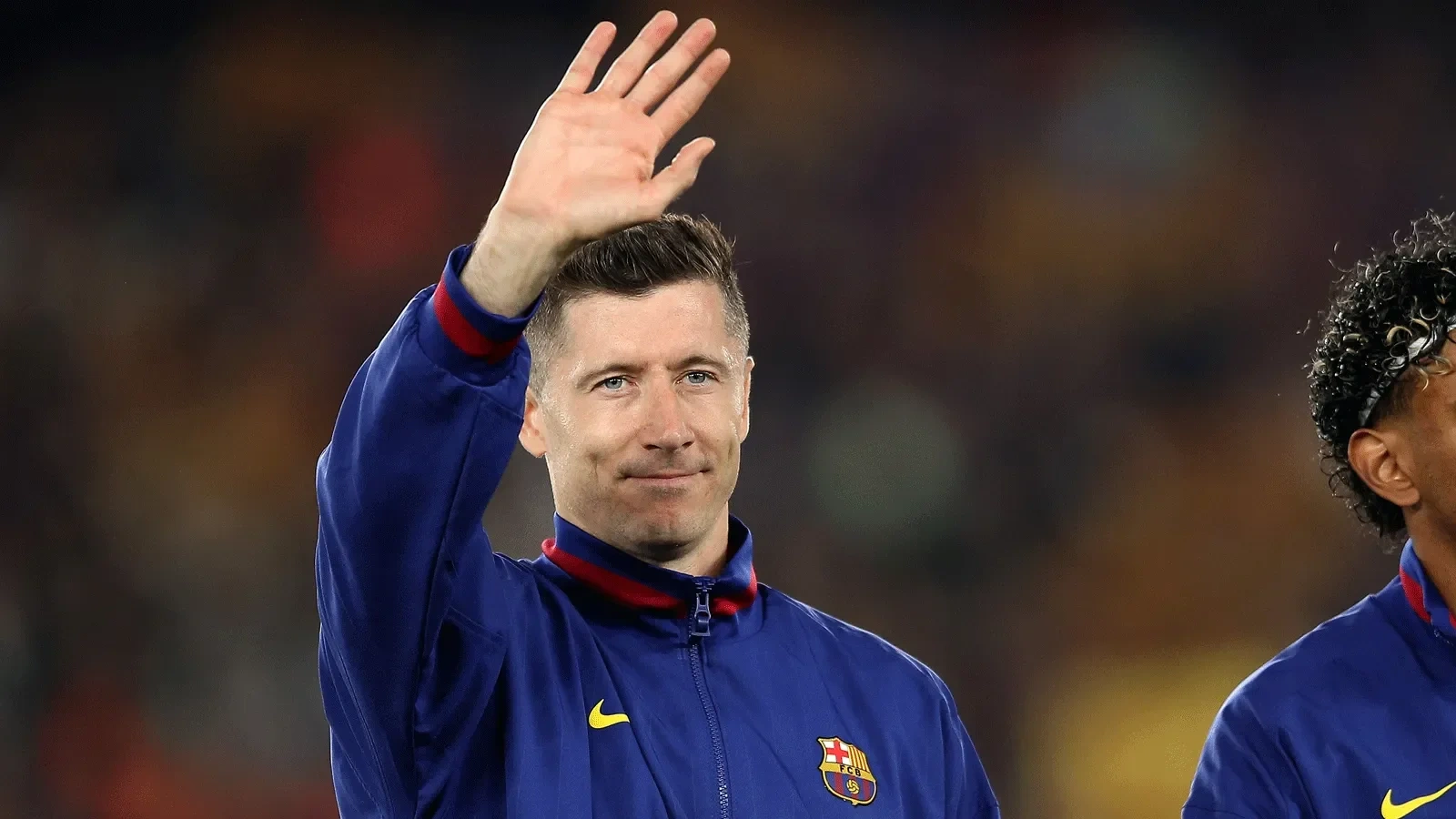
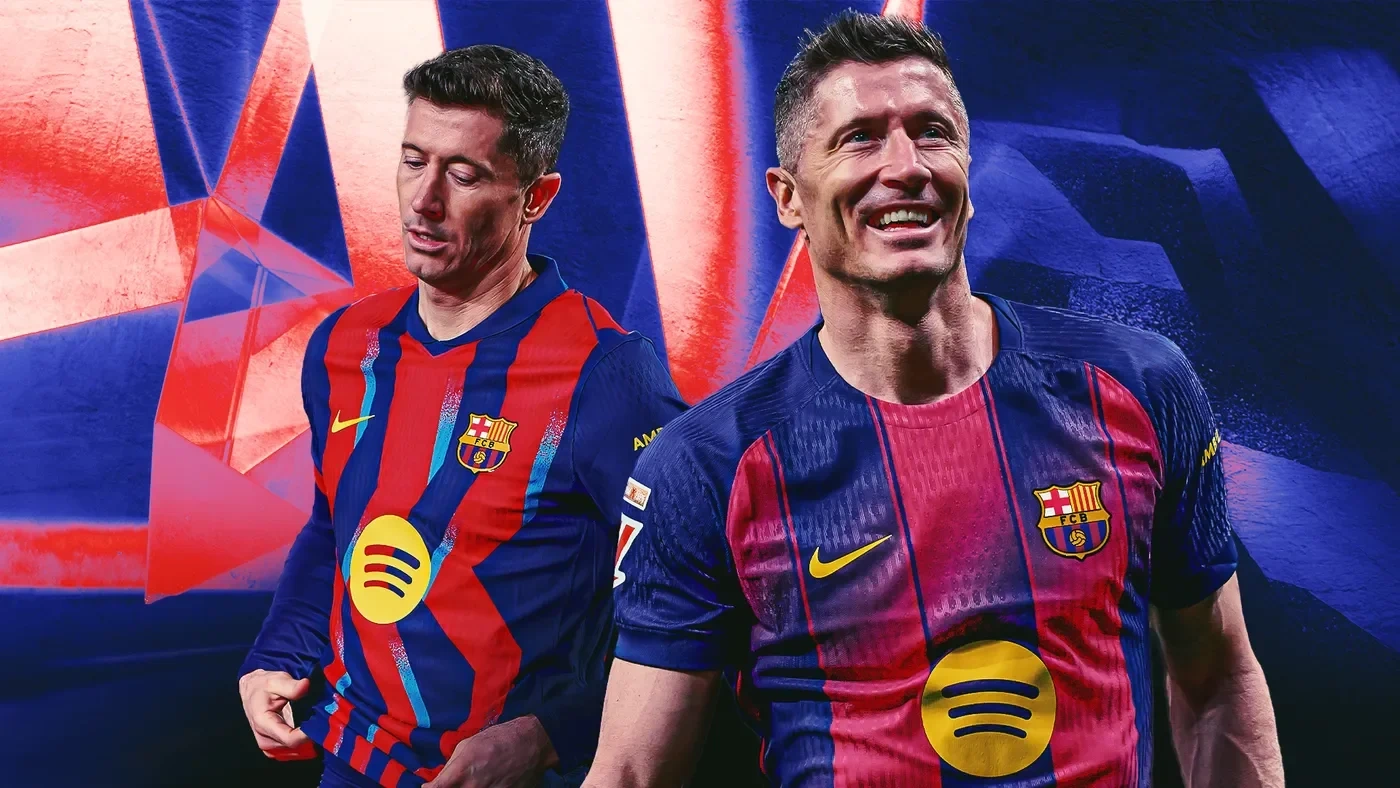
Rashford was substituted eleven minutes from full‑time for the veteran Polish striker, and eight minutes later Lewandowski seized the moment, heading in after a parried shot from João Cancelo.
The goal, while not aesthetically remarkable, may become the defining moment of Lewandowski’s Barcelona tenure, as his contract expires in less than three months.
At 38, the former Bayern Munich forward is unlikely to receive a lucrative extension from a cash‑strapped Barcelona, and all indications suggest a departure is imminent.
“We have eight La Liga games to play. We have to stay focused and prepared,” Flick said when asked about the Polish striker’s future, emphasizing the short‑term priority.
Reports from the international break indicated Barcelona were prepared to offer Lewandowski a new contract with a 50 % wage reduction, supplemented by performance‑related bonuses.
Even with such a reduced salary, retaining a declining 38‑year‑old striker would be a strategic error for a club seeking to rebuild its financial foundation.
| Season | Goals (All Competitions) | La Liga Appearances |
|---|---|---|
| 2024‑25 | 42 | 34 |
| 2025‑26 (to 6 Apr) | 17 | 12 |
Last season Lewandowski netted 27 league goals in 34 matches, averaging a goal every 99 minutes.
In the current campaign his minutes‑per‑goal ratio remains similar, yet his involvement has dwindled, with only 12 league starts compared with 32 the previous year.
He opened the season strongly, scoring eight times in his first ten league games, but has managed just four league goals since 22 November.
In the Champions League, Lewandowski found the net in four of his last four outings after a five‑game drought, contributing to the 7‑2 demolition of Newcastle and the 4‑2 victory over Sparta Prague.
His only goal of substantial importance this season was the equaliser against Copenhagen, which sparked a 4‑1 win.
| Metric | Lewandowski (La Liga) | League Percentile |
|---|---|---|
| Passes per 90 | 14.2 | 57th |
| Touches per 90 | 33.1 | 35th |
| Duels won (%) | = 45 % | — |
These figures illustrate Lewandowski’s limited participation in Barcelona’s high‑pressing, possession‑based system under Flick.
The club’s tactical blueprint relies on a high defensive line, rapid transitions, and intricate passing from Pedri and De Jong, complemented by wing play from Yamal and Raphinha.
In such a framework, a target‑man who spends long periods waiting for service becomes a peripheral figure, as evidenced by his low touch and pass counts.
Lewandowski’s own statements to Veezstream about his adaptability now appear at odds with the on‑field reality demonstrated against Atlético.
Flick’s decision to start Olmo and later replace Rashford with Ferran Torres rather than Lewandowski underscores the Polish striker’s reduced tactical relevance.
Outside Barcelona, interest in Lewandowski remains, with MLS side Chicago Fire and Serie A giants Juventus mentioned as potential destinations.
Nevertheless, the striker himself has expressed uncertainty about his next move, indicating he will decide in the coming months without feeling pressured.
He highlighted Barcelona’s internal ambition and stability, noting the club’s commitment to its values and long‑term project.
Barcelona’s hierarchy has already begun scouting replacements, with English captain Harry Kane initially targeted.
Kane, however, is expected to extend his contract with Bayern Munich, effectively removing him from Barcelona’s reach.
Juventus’ forward Dušan Vlahović has also been linked, offering a financially viable alternative, though his recent performances have not matched Lewandowski’s pedigree.
Other names such as Chelsea’s João Pedro and Hoffenheim’s Fisnik Asllani have surfaced, yet neither matches the experience or proven goal‑scoring record of the Polish veteran.
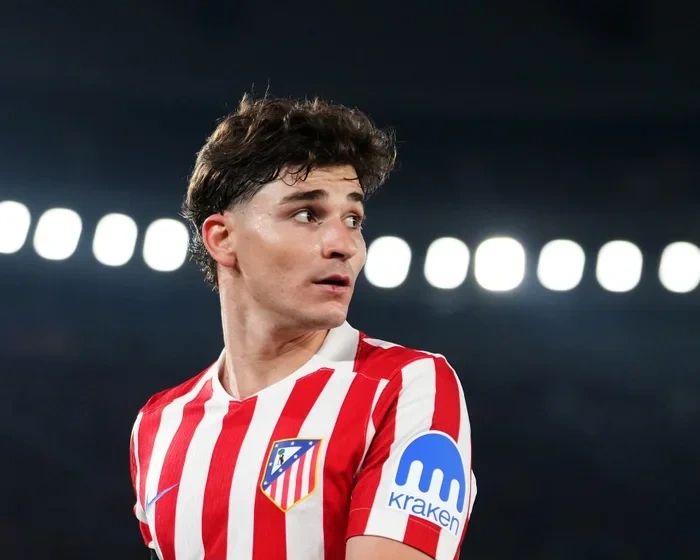
The most realistic prospect is Atlético Madrid’s Julián Álvarez, who could become Barcelona’s primary striker should a deal be negotiated.
Álvarez’s contract runs until 2030, and while Barcelona’s financial constraints make a high transfer fee unlikely, a sale of fringe players could free up necessary resources.
| Club | Potential Target | Contract Length (Years) |
|---|---|---|
| Atlético Madrid | Julián Álvarez | 4 |
| Juventus | Dušan Vlahović | 5 |
| Chelsea | João Pedro | 4 |
Securing Álvarez would not only replace Lewandowski’s goal output but also align with Barcelona’s preferred playing style, given his mobility and work rate.
Releasing Lewandowski from the wage bill would also alleviate Barcelona’s financial strain, providing flexibility for other squad improvements.
Historically, Barcelona’s success has hinged on integrating world‑class forwards—Lionel Messi, Samuel Eto’o, and Luis Suárez—who complemented the club’s possession ethos.
The transition from a traditional number 9 to a more versatile front‑line reflects the evolution of modern football tactics.
Barcelona’s current La Liga standing places them within striking distance of the title, but the margin is slim, and squad depth will be tested in the remaining fixtures.
The club’s next eight league matches will determine whether they can maintain pressure on Real Madrid while navigating the inevitable turnover of senior players.
In summary, Lewandowski’s diminishing role, contract situation, and the club’s fiscal reality make his departure a logical step.
Finding a suitable replacement will be challenging, yet Barcelona’s recent ability to adapt financially suggests they can manage the transition.
The coming months will reveal whether the Catalan giants can secure a forward who fits Flick’s high‑tempo system and sustains their title ambitions.