2026 NFL Draft Recap: Top Picks, SEC Record 87 Selections
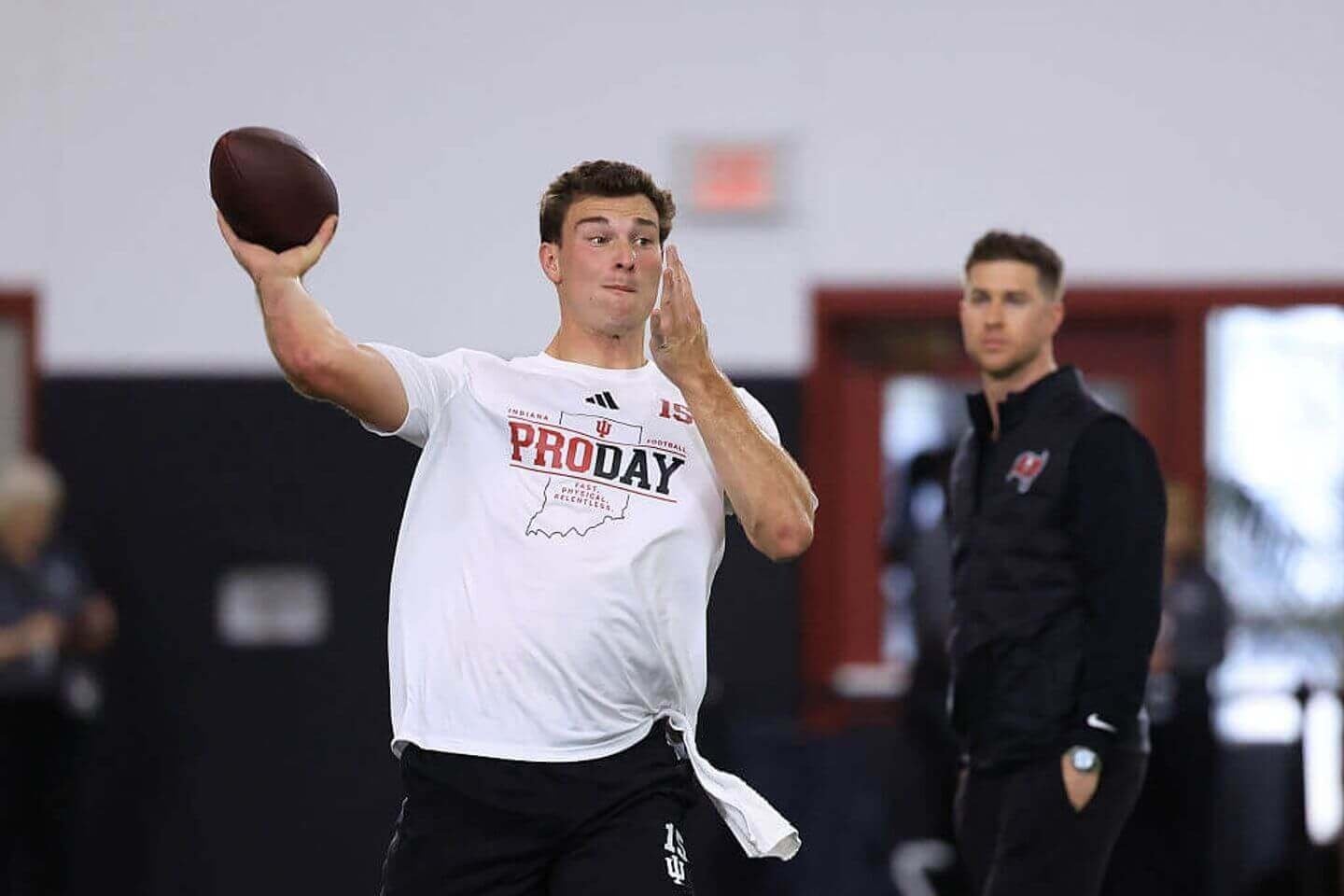
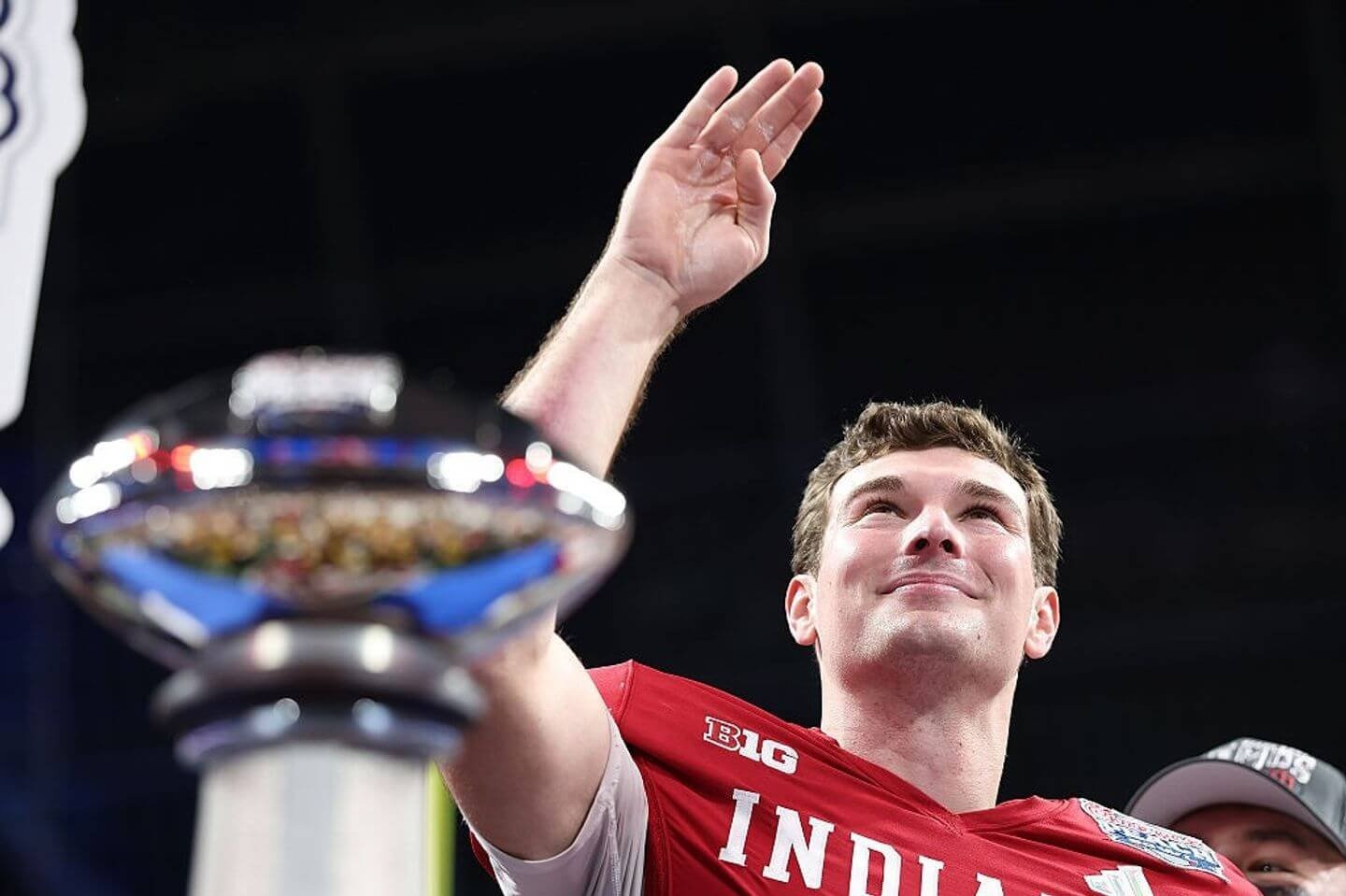
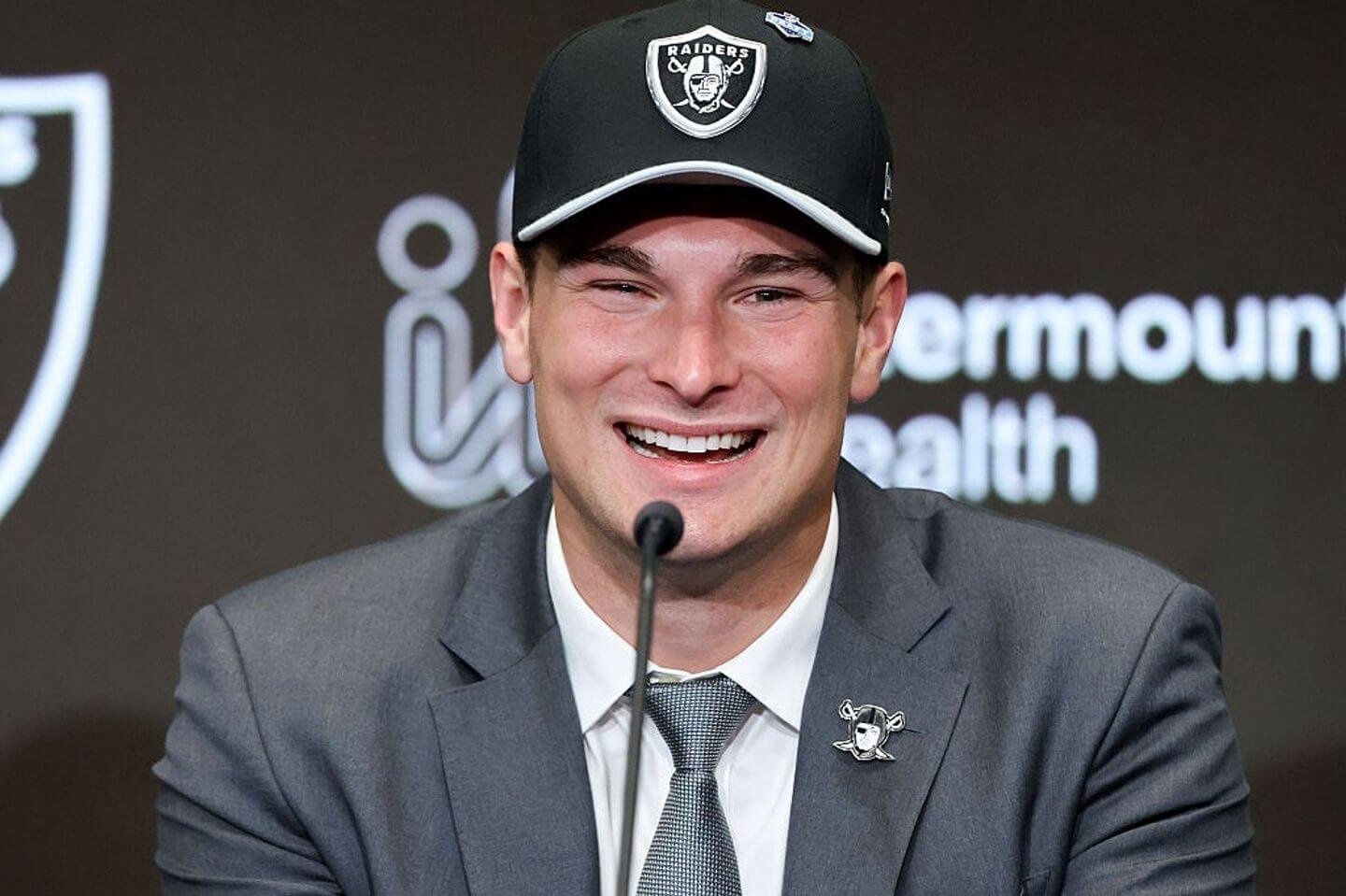
The 2026 NFL Draft concluded after seven rounds and 257 selections, marking the final chapter of a three‑day event that began with the Las Vegas Raiders selecting quarterback Fernando Mendoza first overall.
The draft’s narrative spanned from the top pick to Mr. Irrelevant, Red Murdock, chosen by the Denver Broncos at No. 257, illustrating the breadth of talent evaluated by all 32 franchises.
Veezstream’s Day 3 coverage highlighted winners and losers, providing a comprehensive reaction to the final four rounds that shaped each team’s roster outlook.
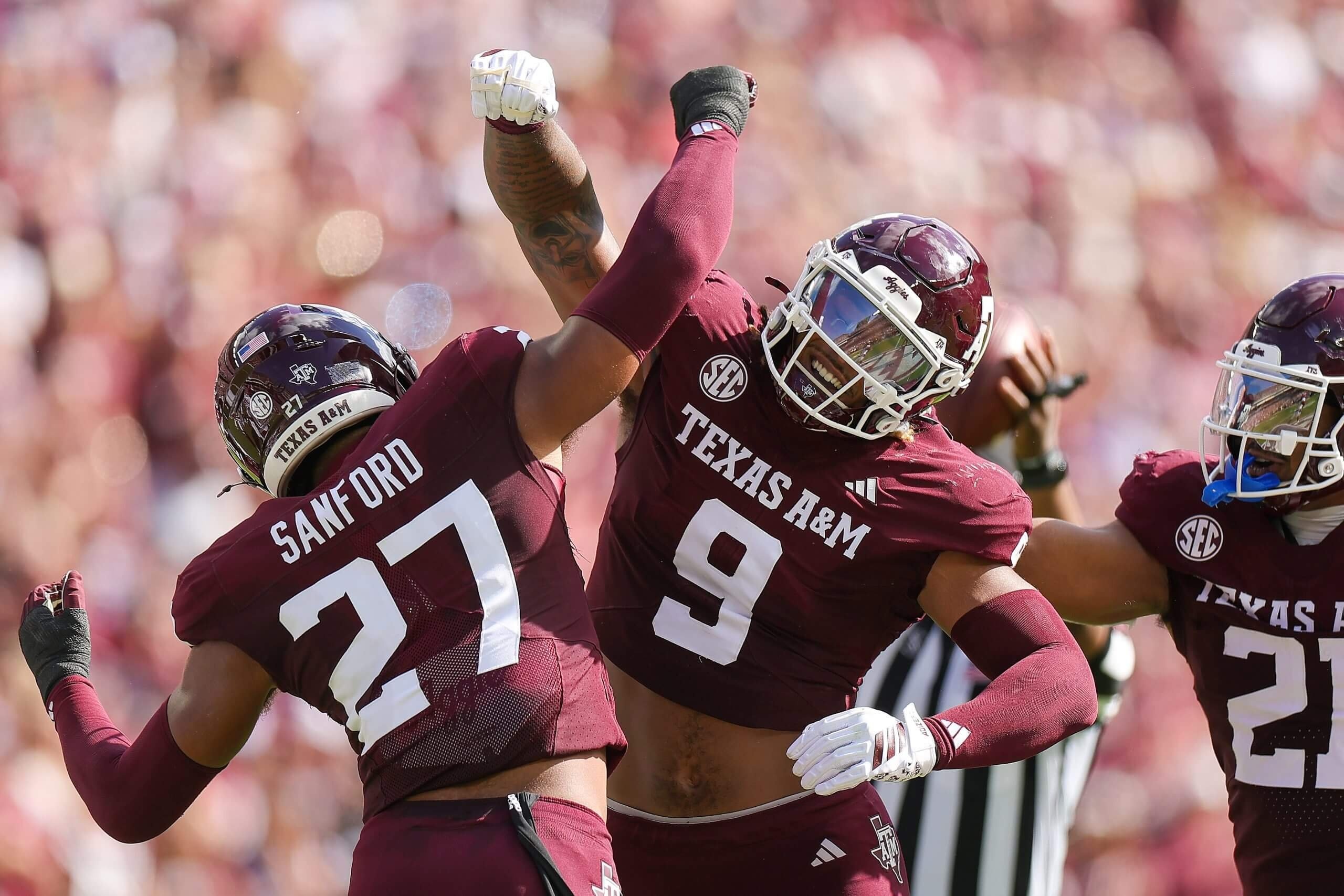
The conference breakdown underscored the SEC’s continued dominance, as the league produced 87 draft picks, setting a new record for a single conference.
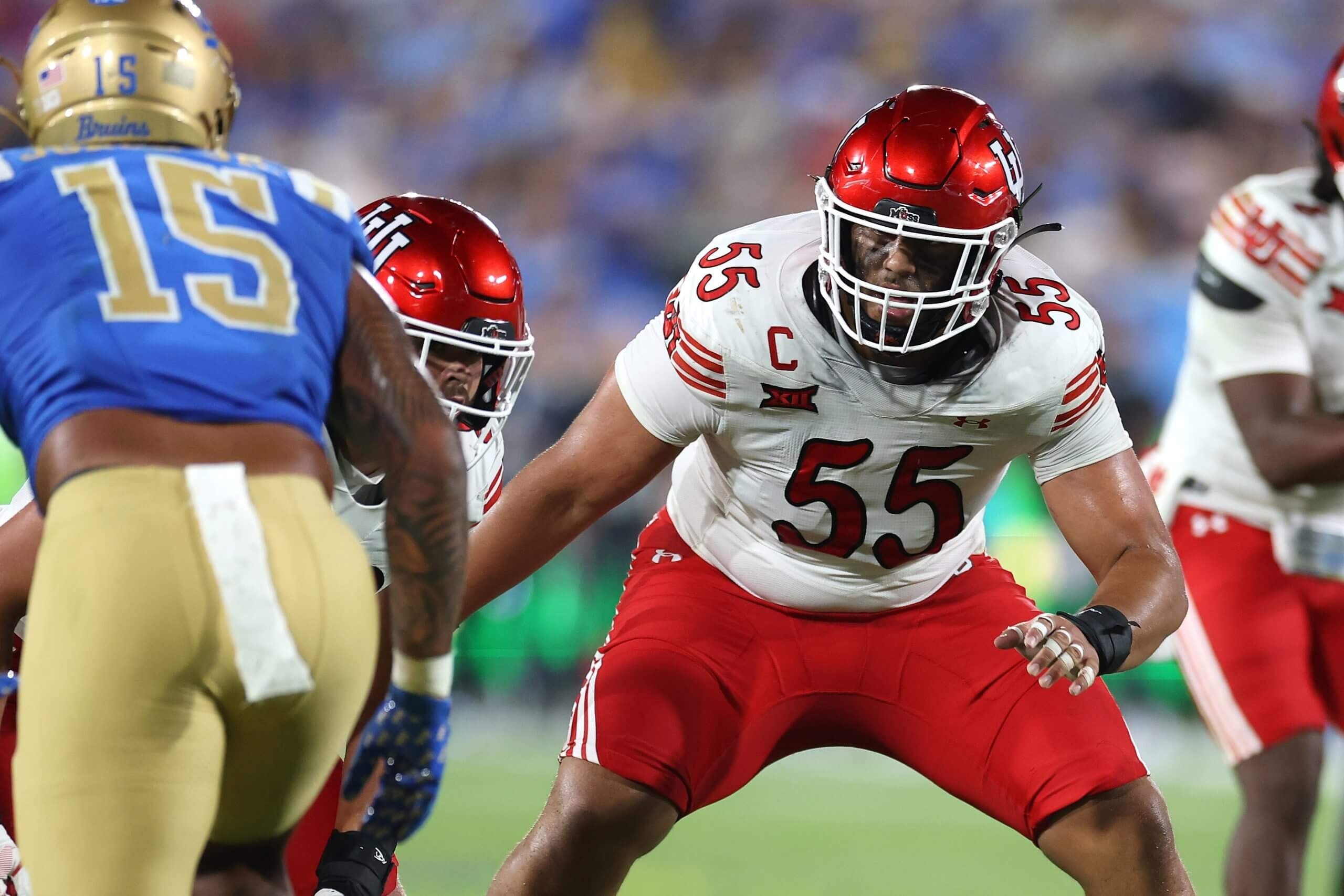
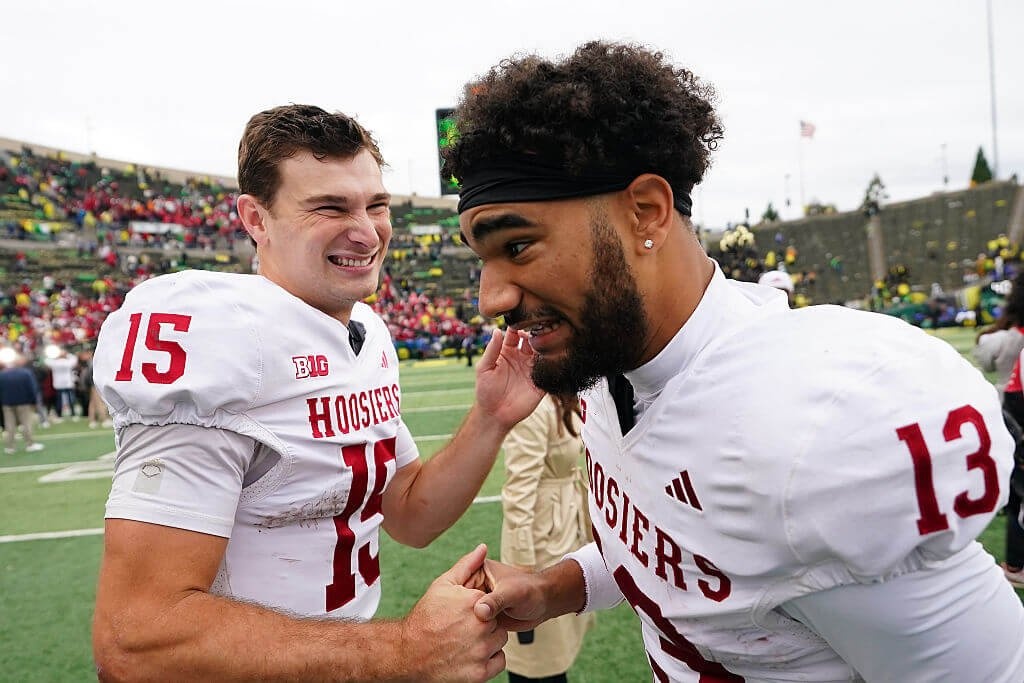
The Big Ten finished second with 68 selections, while both the ACC and Big 12 contributed 38 players each, reflecting a relatively balanced distribution beyond the SEC’s lead.
| Conference | Number of Picks | Record Set |
|---|---|---|
| SEC | 87 | All‑time high |
| Big Ten | 68 | Second place |
| ACC | 38 | |
| Big 12 | 38 |
The Tampa Bay Buccaneers emerged as a draft success story, acquiring EDGE rusher Rueben Bain Jr. at No. 15 after he unexpectedly fell to the team.
Additional Buccaneer picks—linebacker Josiah Trotter, wide receiver Ted Hurst, and cornerback Keionte Scott—added depth and addressed specific roster needs identified by head coach Todd Bowles.
Round 1 saw the Buccaneers secure Bain, whose college production at Miami positioned him as a high‑impact pass rusher despite his slide.
In round 2, the Buccaneers selected Trotter, a linebacker with NFL lineage, while round 3 added Hurst, a receiver whose limited tape at Georgia State belied his potential.
The Buccaneers’ round 4 pick, Scott, offered a familiar face from Miami’s 2025 national runner‑up defense, further bolstering the secondary.
The Tennessee Titans focused on a balanced approach, selecting wide receiver Carnell Tate at No. 4 and EDGE rusher Keldic Faulk at No. 31.
Titan selections also addressed interior line needs with guard Fernando Carmona (round 5) and added depth at running back with Nicholas Singleton (round 5).
The Titans’ later rounds featured defensive lineman Jackie Marshall, center Pat Coogan, and tight end Jaren Kanak, illustrating a comprehensive roster overhaul.
Washington’s Commanders addressed multiple positional gaps, drafting linebacker Sonny Styles at No. 7 and wide receiver Antonio Williams at No. 71.
Additional Commanders picks—EDGE Joshua Josephs, running back Kaytron Allen, center Matt Gulbin, and quarterback Athan Kaliakmanis—demonstrated a focus on youth and versatility.
San Francisco’s 49ers draft was described as unpredictable, beginning with a second‑round selection of wide receiver De’Zhaun Stribling.
The 49ers continued with EDGE Romello Height, running back Kaelon Black, defensive lineman Gracen Halton, offensive tackle Carver Willis, cornerback Ephesians Prysock, linebacker Jaden Dugger, and OT Enrique Cruz Jr., reflecting a diversified strategy.
The Seattle Seahawks, defending Super Bowl champions, invested heavily in secondary talent, selecting safety Bud Clark and cornerback Julian Neal among others.
Seattle also added running back Jadarian Price in round 1 and reinforced the offensive line with guard Beau Stephens, while later rounds yielded wide receiver Emmanuel Henderson Jr. and several defensive backs.
Philadelphia’s Eagles targeted immediate offensive upgrades, drafting wide receiver Makai Lemon at No. 20 to replace the departing AJ Brown.
Philadelphia’s supplemental picks included tight end Eli Stowers, offensive tackle Markel Bell, quarterback Cole Payton, guard Micah Morris, safety Cole Wisniewski, defensive tackle Uar Bernard, and EDGE Keyshawn James‑Newby.
Pittsburgh’s Steelers showcased a mix of impact players and developmental prospects, beginning with offensive tackle Max Iheanachor at No. 21.
The Steelers added wide receiver Germie Bernard, quarterback Drew Allar, cornerback Daylen Everette, guard Gennings Dunker, and other position players to fortify both sides of the ball.
The New York Jets pursued a talent‑heavy draft, selecting EDGE defender David Bailey at No. 2 and TE Kenyon Sadiq at No. 16.
The Jets also secured wide receiver Omar Cooper Jr., cornerback D’Angelo Ponds, defensive lineman Darrell Jackson Jr., quarterback Cade Klubnik, guard Anez Cooper, and safety VJ Payne, reflecting a broad approach to roster construction.
The New Orleans Saints concentrated on wide receiver depth, drafting Jordyn Tyson at No. 8 and later adding WR Bryce Lance and WR Barion Brown.
Saints selections also featured defensive lineman Christen Miller, tight end Oscar Delp, guard Jeremiah Wright, cornerback Lorenzo Styles Jr., and CB TJ Hall, addressing multiple areas of need.
The New England Patriots diversified their picks across the offensive line, selecting OT Caleb Lomu, EDGE Gabe Jacas, TE Eli Raridon, and additional linemen and defensive backs through round 7.
Patriots’ later rounds included quarterback Behren Morton, running back Jam Miller, and EDGE Quintayvious Hutchins, illustrating a focus on depth and future development.
Under new head coach John Harbaugh, the New York Giants opened their draft by taking EDGE Arvell Reese at No. 5, followed by OT Francis Mauigoa and CB Colton Hood.
The Giants completed their first‑round trio with wide receiver Malachi Fields and added defensive line and offensive tackle depth in later rounds.
Miami’s Dolphins, undergoing a rebuild with a new coaching staff, made a record 13 selections, beginning with OT Kadyn Proctor at No. 12.
Dolphins’ draft included CB Chris Johnson, linebacker Jacob Rodriguez, wide receivers Caleb Douglas and Chris Bell, tight end Will Kacmarek, and several other contributors to a comprehensive roster overhaul.
The Minnesota Vikings emphasized defensive reinforcement, selecting DL Caleb Banks, LB Jake Golday, DL Domonique Orange, and other defensive pieces across the first three rounds.
Vikings also addressed offensive line needs with OT Caleb Tiernan and added safety Jakobe Thomas, highlighting a balanced draft philosophy.
The Los Angeles Chargers prioritized protecting quarterback Justin Herbert, selecting four offensive linemen including C Jake Slaughter and OT Travis Burke.
Chargers’ later rounds added wide receiver Brenen Thompson, safety Genesis Smith, DL Nick Barrett, and additional interior linemen, reflecting a clear emphasis on pass protection.
The Los Angeles Rams made a bold move by drafting quarterback Ty Simpson at No. 13, a decision that will be scrutinized as the season unfolds.
Rams’ additional picks—TE Max Klare, guard Keagen Trost, WR CJ Daniels, and DT Tim Keenan III—illustrate a mix of immediate contributors and future assets.
Kansas City Chiefs focused on shoring up the secondary, selecting cornerback Mansoor Delane at No. 6 and adding DL Peter Woods and EDGE Mason Thomas.
Chiefs’ later selections of CB Jadon Canady, RB Emmett Johnson, WR Cyrus Allen, and quarterback Garrett Nussmeier demonstrate a commitment to defensive depth and quarterback development.
The Las Vegas Raiders, anchored by first‑overall QB Fernando Mendoza, also added safety Treydan Stukes, EDGE Keyron Crawford, and center Trey Zuhn III.
Raiders continued to bolster the secondary and skill positions with CB Jermod McCoy, RB Mike Washington Jr., safety Dalton Johnson, and other players throughout the draft.
The Jacksonville Jaguars focused on depth, selecting TE Nate Boerkircher, DL Albert Regis, guard Emmanuel Pregnon, and safety Jalen Huskey among others.
Jaguars’ later rounds added EDGE Wesley Williams, TE Tanner Koziol, WR Josh Cameron, WR CJ Williams, EDGE Zach Durfee, and LB Parker Hughes, aiming to fill multiple roster gaps.
Overall, the 2026 NFL Draft showcased a blend of high‑profile talent, strategic roster building, and conference trends that will shape the league’s competitive landscape for years to come.
Teams that addressed both immediate needs and future development, such as the Buccaneers, Titans, and Commanders, positioned themselves for potential short‑term impact.
Franchises focusing on defensive upgrades, including the Chiefs, Vikings, and Steelers, signaled a league‑wide emphasis on countering the increasingly dynamic passing attacks.
The record‑setting SEC draft output highlights the conference’s continued pipeline of NFL‑ready talent, reinforcing its reputation as the premier source of professional players.
Conversely, the Big Ten’s strong showing with 68 picks demonstrates the sustained competitiveness of its programs despite the SEC’s dominance.
As the offseason progresses, each team will integrate its new players, assess developmental trajectories, and prepare for the upcoming NFL season.