Raiders 2026 NFL Draft Board: Meet Heisman‑Winner QB Fernando Mendoza and Top 35 Prospects to Watch
The Las Vegas Raiders entered the 2026 NFL Draft with the league’s worst record from the 2025 season, giving them the first overall selection and a clear mandate to rebuild.
After an aggressive free‑agency campaign that failed to close the talent gap, the franchise turned its focus to the draft as the primary engine for long‑term improvement.
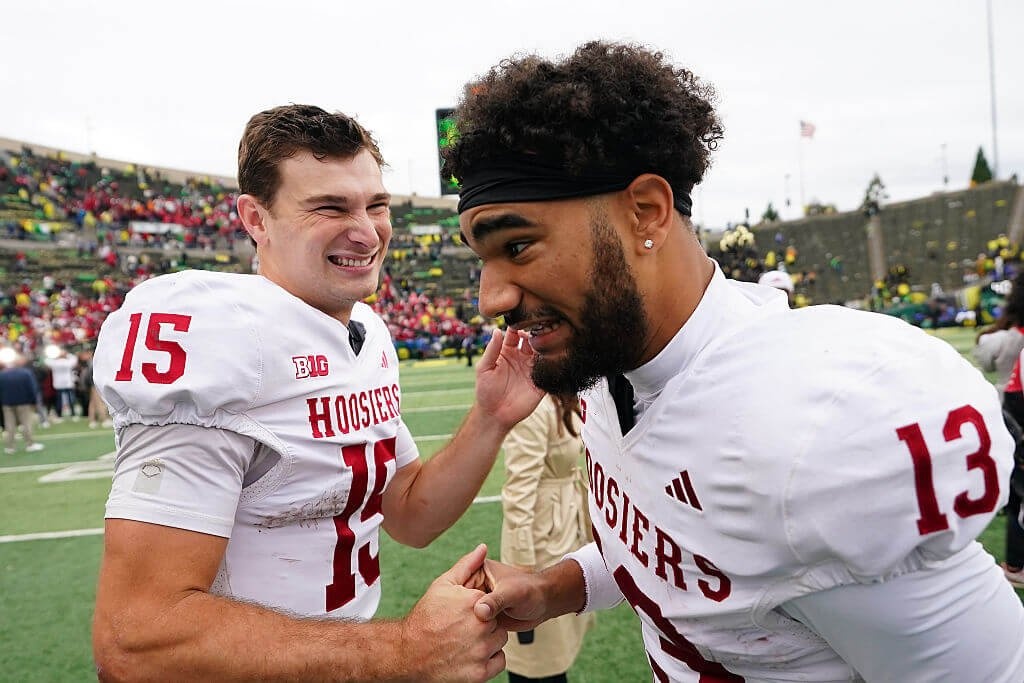
At the top of the board sits Indiana quarterback Fernando Mendoza, the reigning Heisman Trophy winner and national champion who is expected to become the Raiders’ franchise quarterback.
Mendoza’s combination of intuition, throwing accuracy and confidence has been described as “superpowers,” and his selection is already considered a lock at No. 1.
With the first pick secured, the Raiders have nine additional selections to address critical needs on both sides of the ball, ranging from skill positions to the defensive front.
The draft strategy emphasizes building a supporting cast around Mendoza, beginning with receivers who can thrive on deep routes and back‑shoulder throws.
Washington wideout Denzel Boston emerges as a top candidate at No. 36, praised for his contested‑catch ability and large catch radius despite lacking elite speed.
Louisville’s Chris Bell offers a rare blend of size, speed and explosiveness, though a recent torn ACL raises concerns about his immediate readiness.
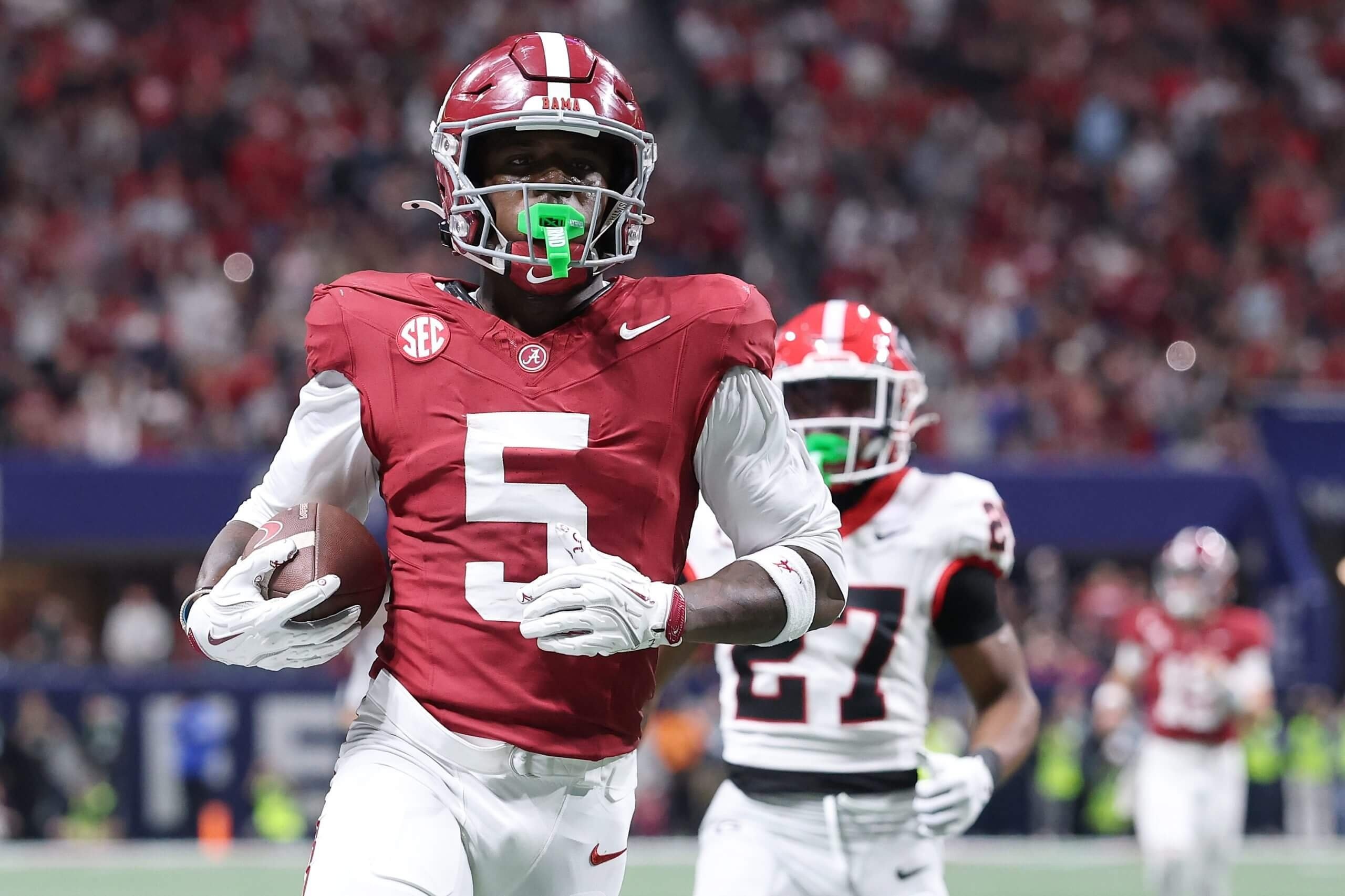
Alabama’s Las Vegas‑native Germie Bernard provides versatility, capable of lining up across the formation and contributing in the backfield, akin to a modern Jaxon Smith‑Njigba.
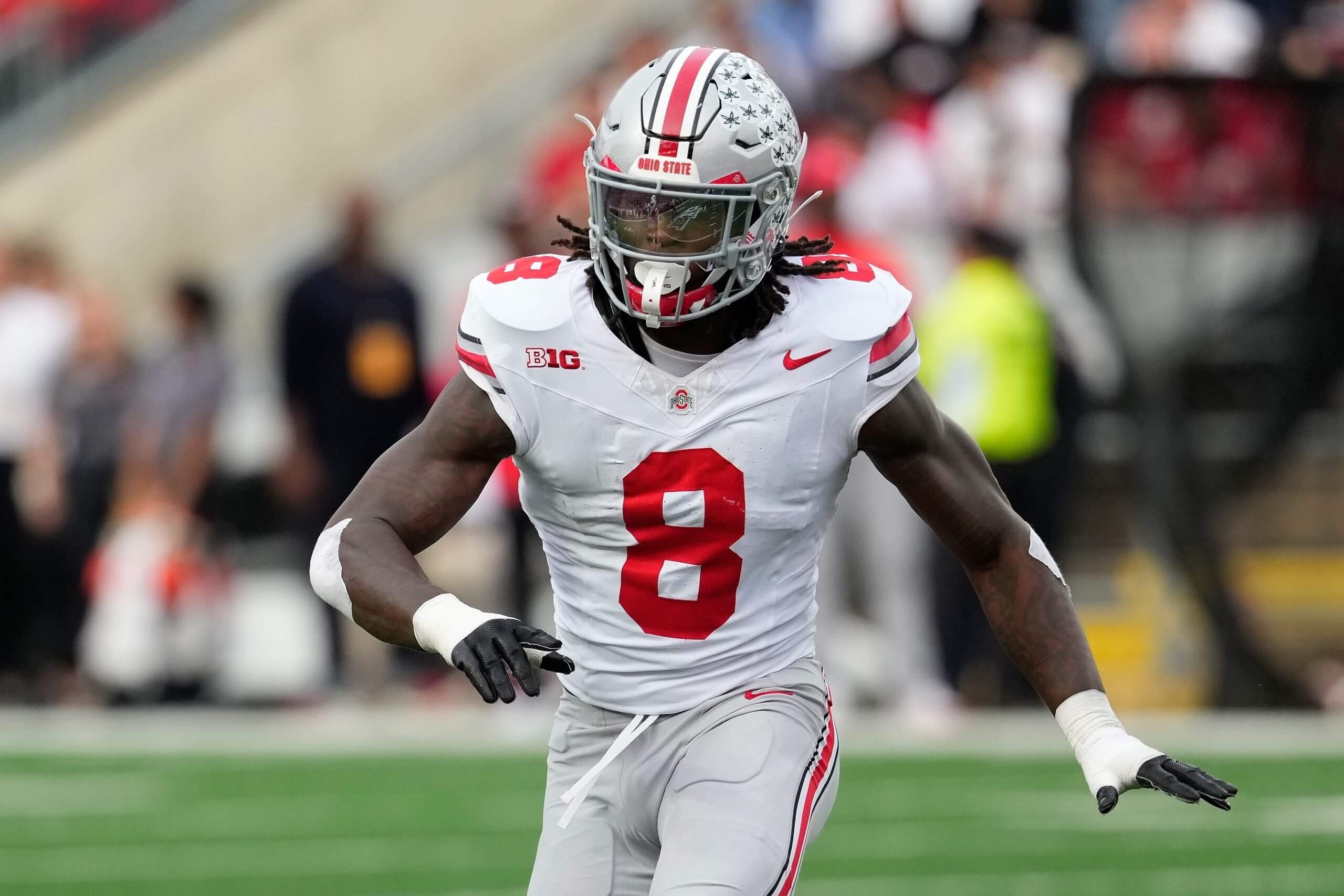
On the interior defensive line, Ohio State defensive tackle Kayden McDonald stands out as a dominant run defender who could immediately bolster the Raiders’ nose‑tackle spot.
Florida’s Caleb Banks, despite a recurring foot injury, posted 4.5 sacks and seven tackles for loss in 2024 and projects as a disruptive interior pass rusher.
Georgia’s Christen Miller offers a rock‑solid run‑defending nose tackle profile, though his modest college production may mask his true impact on tape.
In the secondary, San Diego State cornerback Chris Johnson impressed Raiders GM John Spytek with four interceptions and eight passes defensed in his final season.
Georgia wide receiver Zachariah Branch, a Las Vegas native, brings post‑catch speed and play‑making ability that could translate well to Klint Kubiak’s offense.
Indiana’s Elijah Sarratt, Mendoza’s trusted target from the national championship run, offers chemistry and back‑shoulder conversion skill that could ease the quarterback’s transition.
Safety A.J. Haulcy of LSU, noted for eight interceptions and 12 pass breakups over his last two seasons, aligns with the Raiders’ urgent need for ball‑hawking safeties.
TCU safety Bud Clark, a 24‑year‑old veteran with 35 passes defended and 15 interceptions in college, provides experience that may accelerate his NFL adaptation.
Georgia cornerback Daylen Everette, described as “mature” and “consistent,” led his team with 11 pass breakups in 2025 and could add depth to the Raiders’ corner rotation.
Offensive line concerns prompted the Raiders to target Northwestern tackle Caleb Tiernan, a zone‑scheme specialist capable of playing both right and left tackle.
Miami offensive tackle Markel Bell, who allowed zero sacks as a senior, presents a proven pass‑blocking pedigree that could help address the league‑high 64 sacks allowed in 2025.
Boston College’s Jude Bowry, a raw but athletically gifted tackle, offers developmental upside that veteran line coach Rick Dennison could cultivate.
USC safety Kamari Ramsey, a natural deep safety with nickel‑back experience, could provide positional flexibility if the Raiders wait until Day 3 to address safety.
Texas cornerback Malik Muhammad, an All‑SEC honoree with notable frame and speed, may require physical development but possesses the instincts to become a playmaker.
Missouri defensive tackle Chris McClellan, a top‑30 visit invitee, brings size, strength and play‑recognition skills, offering a cost‑effective interior line solution.
Penn State running back Nick Singleton, a big‑play threat with pass‑catching ability, could serve as a valuable backup after the departures of Zamir White and Raheem Mostert.
Boise State guard Kage Casey, known for technique and play recognition, could inject competition into a Raiders interior line that suffered in 2025.
LSU linebacker Harold Perkins, despite positional fit questions, offers explosiveness that may make him a worthwhile late‑round depth addition.
Washington running back Jonah Coleman, a strong inside runner and reliable pass blocker, provides third‑down value and goal‑line effectiveness.
Penn State offensive tackle Drew Shelton, who surrendered only one sack in 2025, brings experience in both zone and gap schemes that fits Kubiak’s system.
Texas safety Michael Taaffe, a former walk‑on with notable instincts and toughness, exemplifies the determination the Raiders seek in late‑round safety selections.
California cornerback Hezekiah Masses, the FBS leader in pass breakups (18), presents a high‑upside playmaker for a secondary desperate for turnovers.
Indiana running back Kaelon Black, noted for his physical running style and chemistry with Mendoza, could bolster depth while improving his pass‑catching skills.
Western Michigan edge rusher Nadame Tucker, tied for the Division I lead with 14.5 sacks in 2025, offers early‑round potential despite limited prior production.
Stanford cornerback Colin Wright, with five interceptions and 16 pass breakups, adds depth and aggression to the Raiders’ secondary.
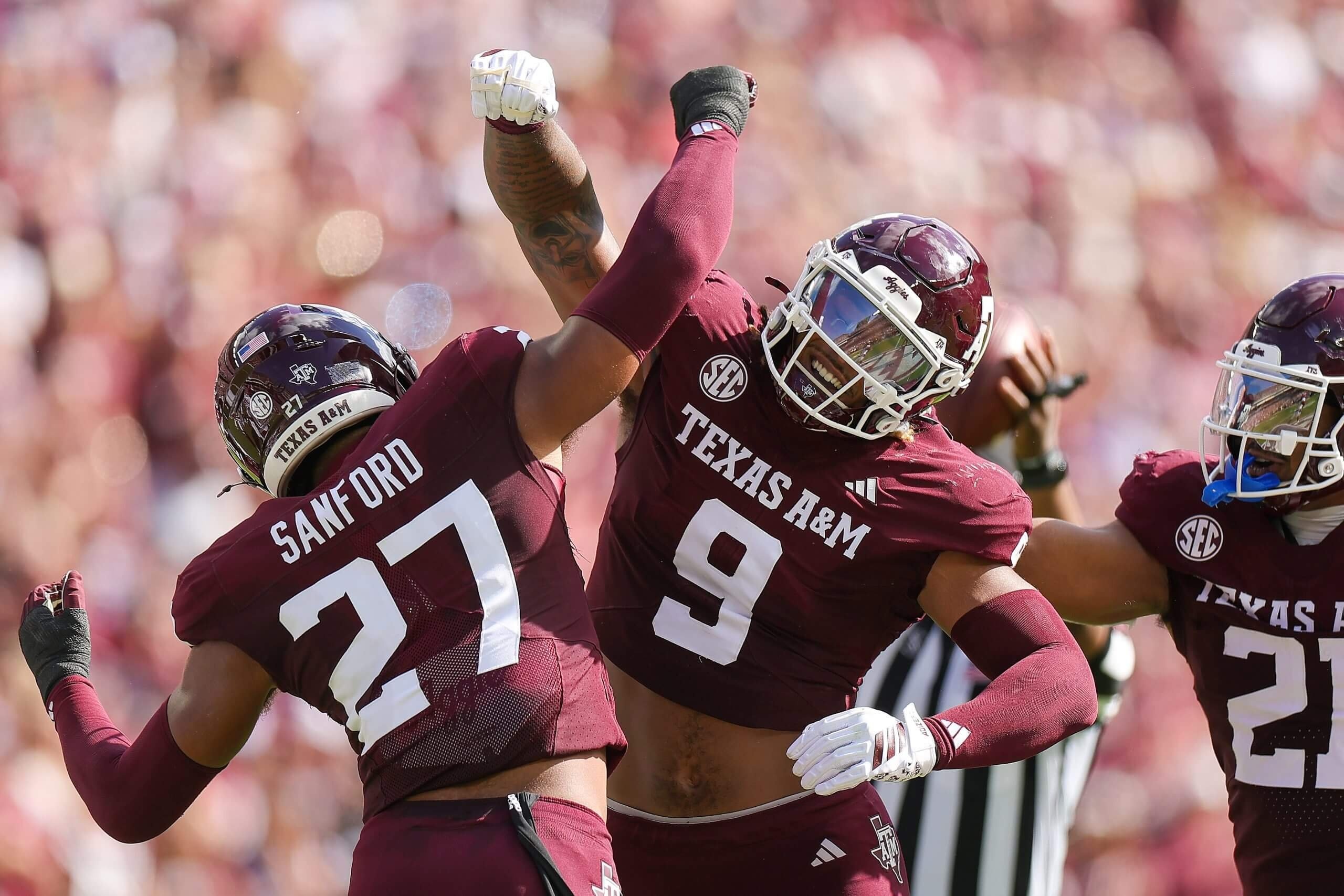
Texas A&M linebacker Taurean York, undersized yet instinct‑driven, models his game after Nakobe Dean and could serve as a valuable depth piece.
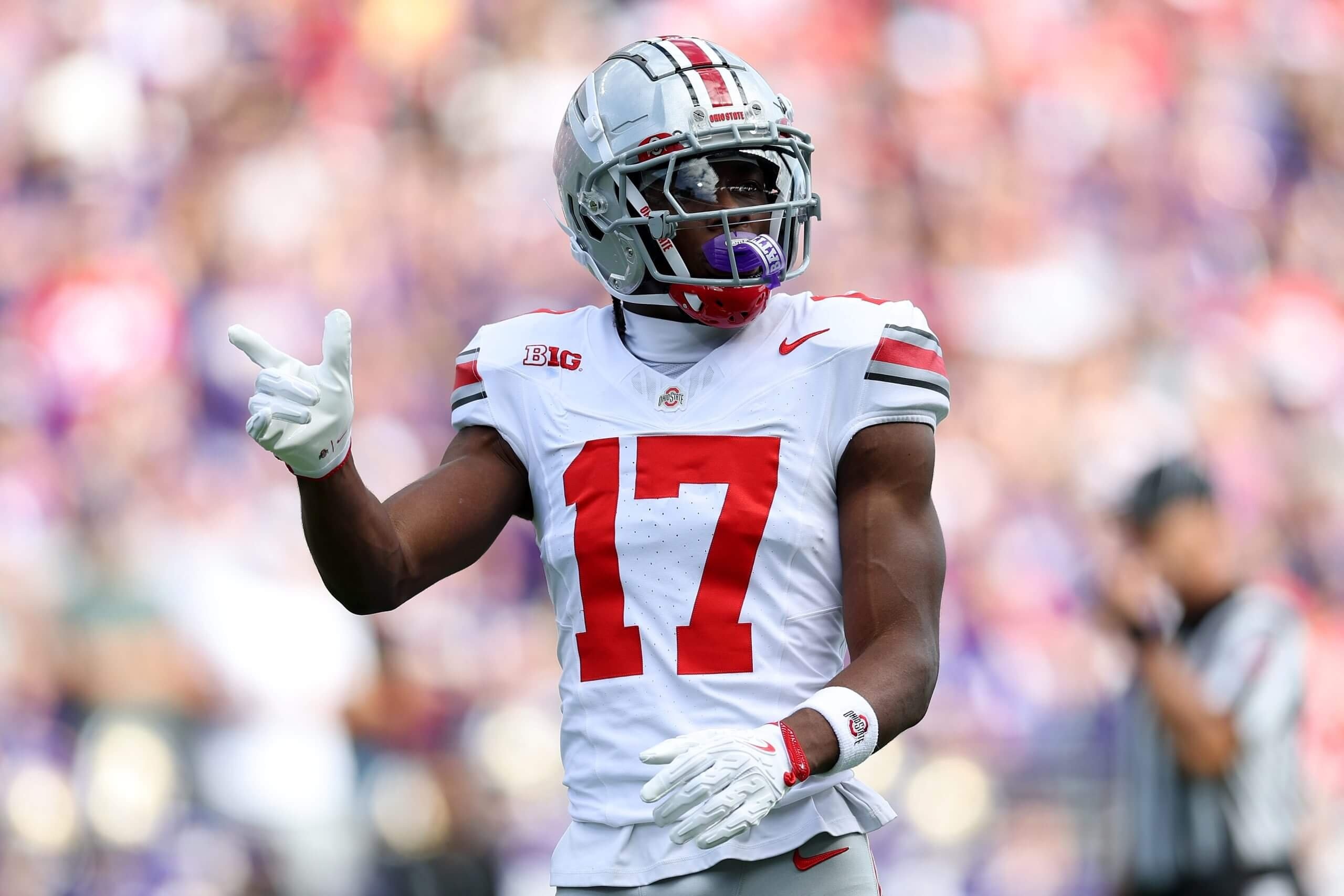
Ohio State cornerback Lorenzo Styles Jr., boasting a 4.27 sec 40‑yard dash, showcases elite speed that aligns with the Raiders’ late‑round drafting tendencies.
Missouri cornerback Toriano Pride Jr., with a 4.32 sec 40‑yard dash and 12 pass breakups, offers speed but raises concerns about his smaller stature.
Florida kicker Trey Smack, the consensus top kicker in the draft, could provide competition after the release of Matt Gay and the departure of Daniel Carlson.
Texas Tech wide receiver Caleb Douglas, a vertical threat capable of contested catches, stands as a potential value pick for a third‑day add‑on.
Kansas offensive tackle Enrique Cruz Jr., despite limited starting experience, displayed athleticism at the combine that could translate to NFL potential.
The Raiders’ draft board comprises 35 prospects across six rounds, reflecting a balanced approach to reinforce both offensive and defensive units.
| Round | Pick | Player (Position, School) |
|---|---|---|
| 1 | 1 | Fernando Mendoza, QB, Indiana |
| 2 | 36 | Denzel Boston, WR, Washington |
| 2 | 37 | Kayden McDonald, DT, Ohio State |
| 3 | 70 | Chris Johnson, CB, San Diego State |
| 3 | 71 | Zachariah Branch, WR, Georgia |
| 4 | 105 | Markel Bell, OT, Miami |
| 5 | 140 | Kage Casey, G, Boise State |
| 6 | 175 | Hezekiah Masses, CB, California |
| 7 | 210 | Lorenzo Styles Jr., CB, Ohio State |
Strategically, the Raiders aim to pair Mendoza with multiple weapons, ensuring the quarterback’s skill set is maximized through varied route concepts.
The presence of both a deep‑threat receiver like Boston and a versatile slot option like Bernard offers Kubiak flexibility in designing a balanced aerial attack.
Defensive line upgrades, particularly at nose tackle, are expected to improve run defense, a weakness that contributed to the Raiders’ 2025 struggles.
Adding a proven pass rusher such as Tucker in later rounds could also prepare the team for upcoming free‑agency departures at edge positions.
The secondary overhaul focuses on ball‑hawking safeties and aggressive corners to address the lack of takeaways that plagued the defense.
Players like Haulcy, Clark and Johnson bring interception and pass‑breakup prowess that could shift the Raiders’ turnover differential in a positive direction.
Offensive line investments target both immediate protection and long‑term development, with Tiernan and Bell expected to compete for starting roles alongside existing veterans.
The blend of proven starters and developmental prospects reflects a dual‑track approach to rebuilding the line that surrendered a league‑high 64 sacks.
Depth at running back remains a concern after the free‑agency exodus, prompting the selection of versatile backs such as Singleton and Black.
Both possess the physicality and pass‑catching potential to complement Ashton Jeanty and provide multi‑down flexibility.
Overall, the Raiders’ draft philosophy underscores the necessity of constructing a complementary roster around their new franchise quarterback.
By addressing key positional deficits while preserving future cap flexibility, Las Vegas positions itself for a competitive resurgence in the 2026 season.