2026 Colts Mock Draft: Seven Picks Target DE Gabe Jacas, LB Kyle Louis, WR Bryce Lance, CB Julian Neal & DT Rayshaun Ben
The Indianapolis Colts entered the 2026 offseason without a first‑round selection for the first time since the 2022 draft, a consequence of the November trade that sent a 2025 first‑rounder, a 2027 first‑round pick and wide receiver AD Mitchell to the New York Jets for All‑Pro cornerback Sauce Gardner.
At the time, the move appeared defensible because the Colts had opened the 2025 season with a strong start, but the team ultimately failed to secure a playoff berth, extending a postseason drought now at five straight years, tied for the third‑longest in NFL history.
Retaining quarterback Daniel Jones, who is still recuperating from a ruptured right Achilles tendon, and wide receiver Alec Pierce on lucrative extensions provided some stability, yet the roster lost five starters and may lose a sixth if cornerback Kenny Moore II’s trade request is honored.
General manager Chris Ballard openly admitted that the Colts missed out on signing four‑time Pro Bowl defensive end Trey Hendrickson in free agency, underscoring the heightened importance of the upcoming draft to fill multiple roster holes.
The Colts will have only seven picks in the 2026 draft, the fewest since 2021, unless additional selections are acquired through trades before or during the draft.
Below is the current draft capital as of the latest trade updates:
| Round | Pick | Overall |
|---|---|---|
| 2 | 15 | 47 |
| 3 | 14 | 78 |
| 4 | 13 | 113 |
| 5 | 16 | 156 |
| 6 | 33 | 214 |
| 7 | 33 | 249 |
| 7 | 38 | 354 |
Using Pro Football Network’s mock draft simulator and Dane Brugler’s “The Beast” guide, a mock draft was constructed to address the Colts’ most glaring deficiencies, particularly at defensive end and linebacker.
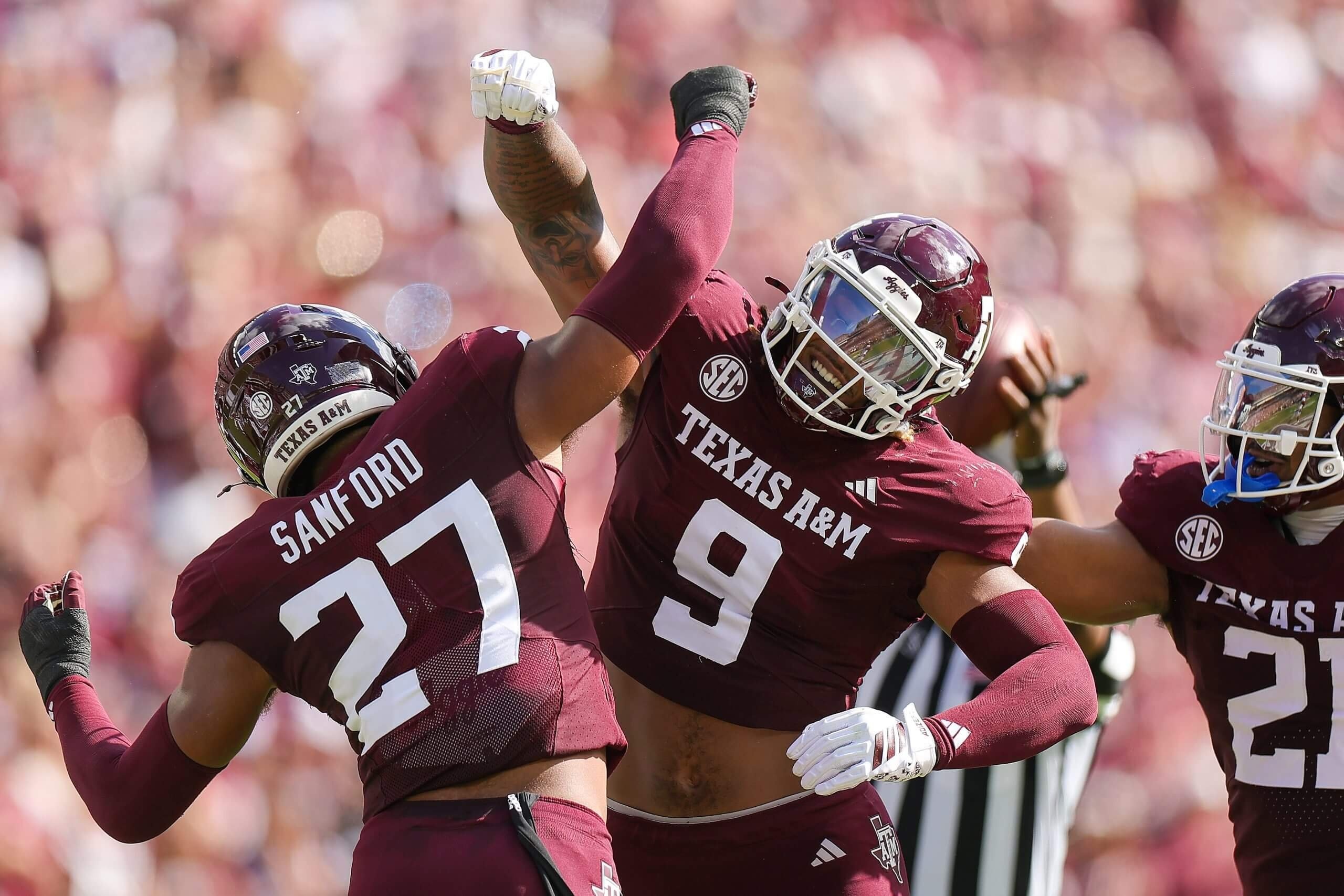
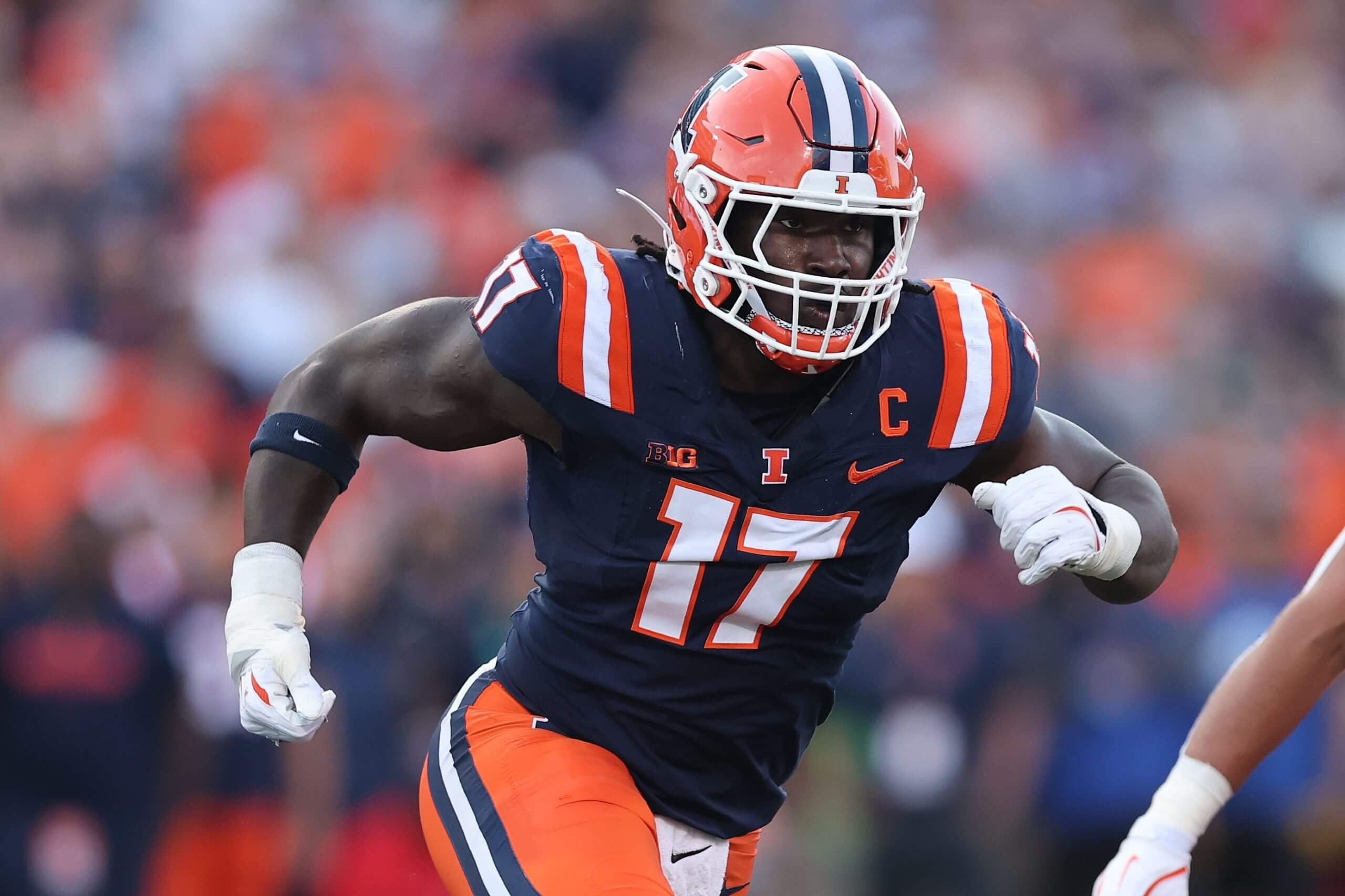
In the second round, the mock selects Gabe Jacas, a 6‑foot‑4, 261‑pound defensive end from Illinois, who recorded 13.5 tackles for loss, 11 sacks and three forced fumbles in 2025, earning second‑team All‑Big Ten honors.
Jacas is projected as a rotational edge defender; while he may not outrun NFL tackles consistently, his powerful technique and aggressive demeanor should translate well to a professional pass‑rush role alongside incumbent starter Laiatu Latu.
At defensive end, the Colts had hoped Latu would build on his 8.5 sacks from the previous season, but the departure of Kwity Paye to the Las Vegas Raiders left a clear vacancy that Jacas is expected to fill.
The third‑round choice, acquired via a trade with the Minnesota Vikings that moved the No. 78 and No. 254 picks for No. 82 and No. 163, is Kyle Louis, a 6‑foot, 220‑pound linebacker from Pittsburgh.
Louis recorded six interceptions and ten sacks over his final two collegiate seasons, showcasing a rare blend of coverage ability and pass‑rush production that aligns with defensive coordinator Lou Anarumo’s scheme.
Although not a traditional linebacker, Louis’s range, instincts and man‑coverage upside make him a potential fit for Indianapolis, especially after the trade of Zaire Franklin to Green Bay created a vacancy in the starting inside‑linebacker rotation.
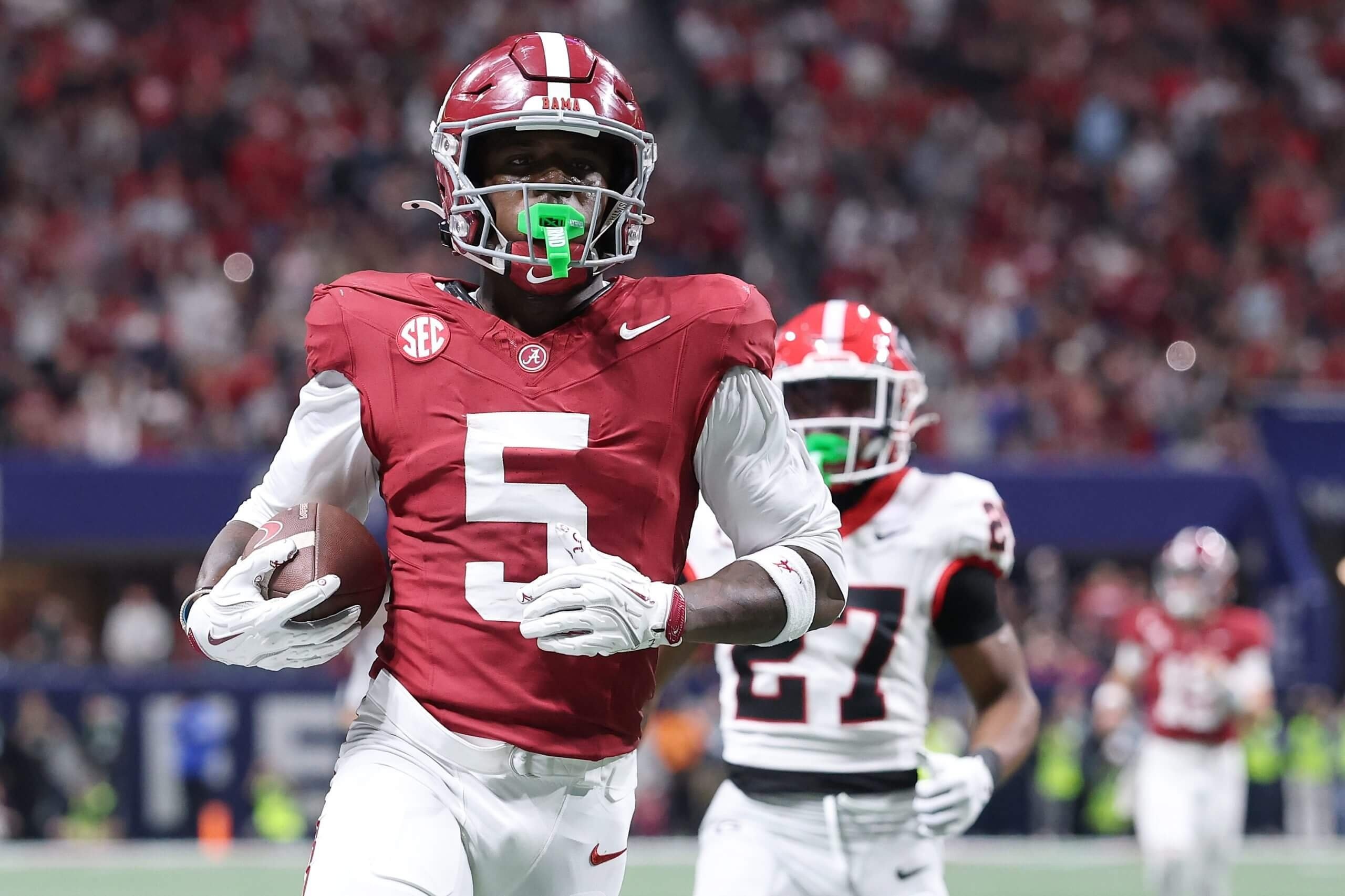
In the fourth round, the Colts address the void left by the trade of Michael Pittman Jr. to Pittsburgh by selecting Bryce Lance, a 6‑foot‑3, 204‑pound wide receiver from North Dakota State.
Lance posted 51 receptions for 1,079 yards and eight touchdowns in his final FCS season, offering a large frame and reliable hands that could develop into a starting role after serving as a rookie backup.
The selection also reflects the need to replenish the receiving corps after retaining Alec Pierce; Lance’s physicality and body control give him the tools to eventually compete for a primary target position.
Round five sees two selections aimed at shoring up the secondary and interior defensive line. The first is Julian Neal, a 6‑foot‑2, 203‑pound cornerback from Arkansas, who led the team with 12 passes defensed and two interceptions in 2025.
Neal’s length and developing cover technique make him a candidate to replace the departing Kenny Moore II, especially if the Colts secure a third‑round pick Justin Walley as a complementary cornerback.
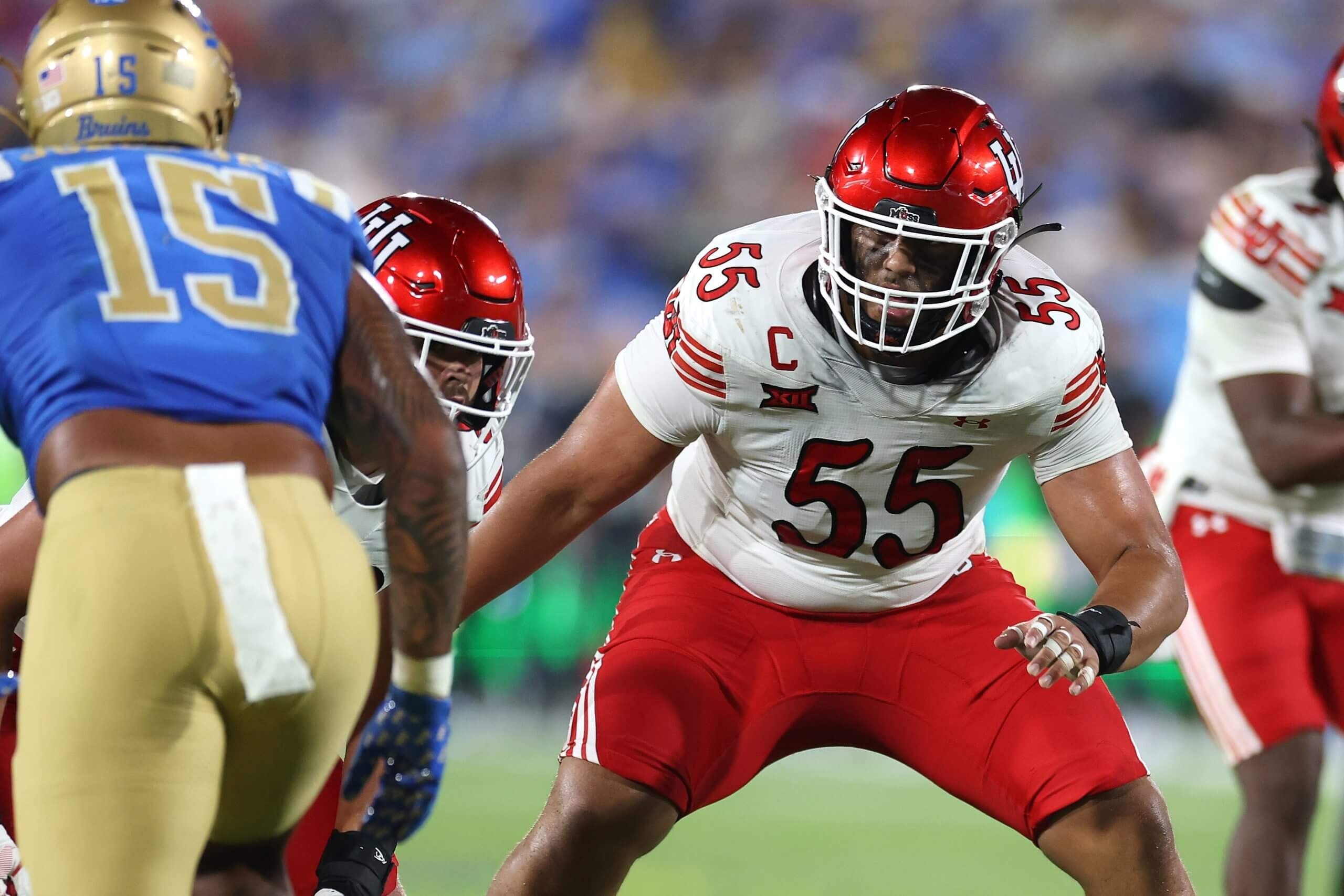
The second fifth‑round pick, obtained from the Vikings, is defensive tackle Rayshaun Benny from Michigan, a 6‑foot‑3, 298‑pound lineman who earned third‑team All‑Big Ten honors after becoming a full‑time starter in 2025.
While Benny’s sack numbers are modest—three over two seasons—his “revving motor” and size provide depth behind aging veterans DeForest Buckner and Grover Stewart, who are approaching the end of their productive windows.
In the sixth round, the Colts select J’Mari Taylor, a 5‑foot‑10, 197‑pound running back from Virginia, after a trade with the Pittsburgh Steelers that swapped the No. 214 pick for a later selection.
Taylor’s college career featured 98 receptions for 882 yards and ten touchdowns, highlighting his pass‑catching ability and special‑teams versatility, traits that could alleviate the workload on Jonathan Taylor, who logged 372 touches last season.
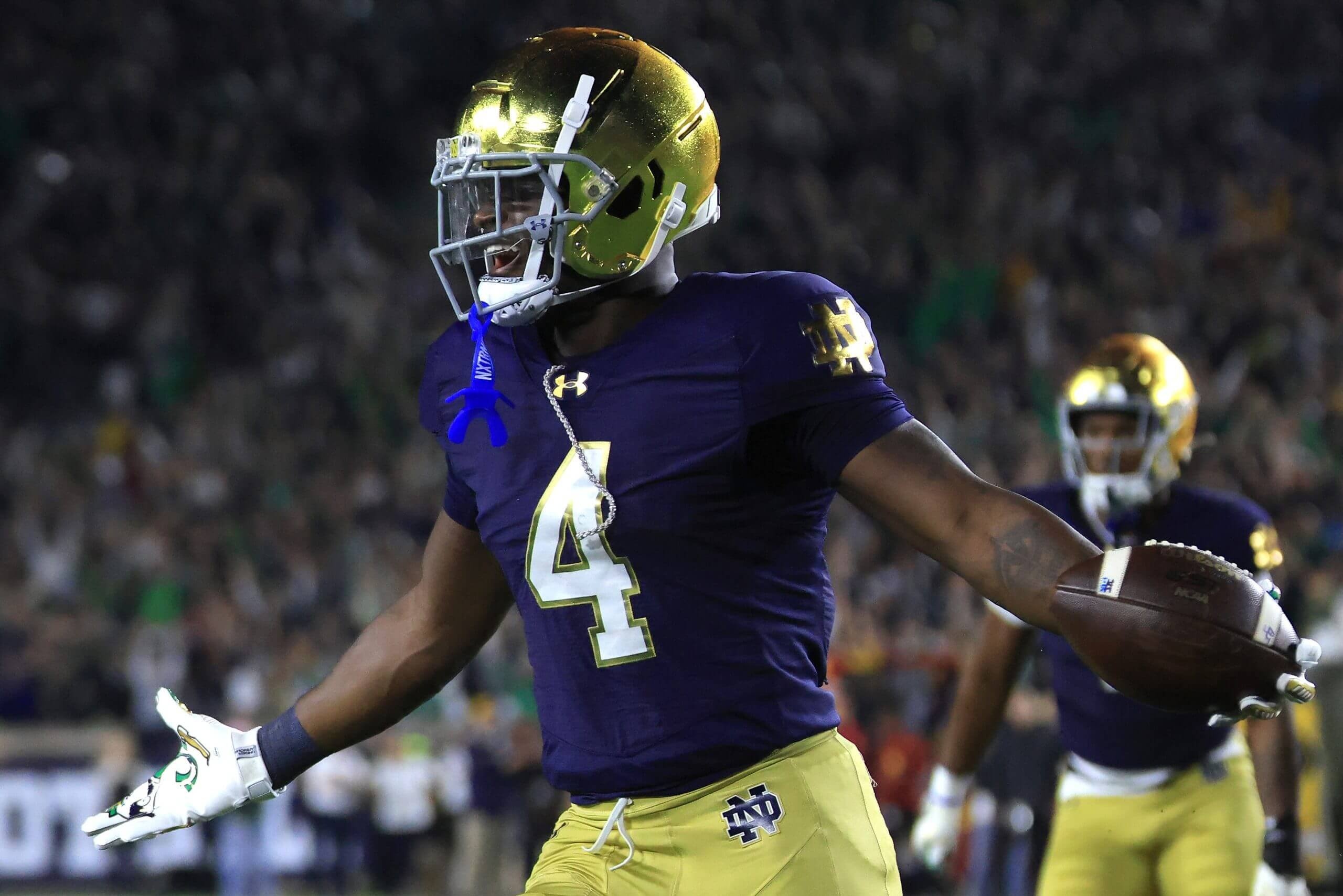
The final round includes a seventh‑round pick at No. 249: Aamil Wagner, a 6‑foot‑6, 306‑pound offensive tackle from Notre Dame who started 24 games at right tackle over his last two collegiate seasons.
Wagner possesses the arm length and footwork that offensive line coach Tony Sparano Jr. values in developmental prospects, offering a swing‑tackle option that could be refined into a reliable backup.
Collectively, the mock draft attempts to balance immediate needs—particularly on the defensive front—with long‑term depth across skill positions, reflecting the Colts’ strategic shift toward building through the draft after a disappointing free‑agency period.
The emphasis on defensive edge talent underscores Indianapolis’ recognition that a robust pass‑rush is essential to complement Sauce Gardner’s elite cornerback play and to improve a defense that struggled to generate pressure in 2025.
Meanwhile, the addition of a versatile linebacker like Louis and interior depth with Benny aims to sustain the defensive unit’s performance as veteran starters age, preserving competitive balance while younger players develop.
On offense, retaining quarterback Daniel Jones and wide receiver Alec Pierce provides a foundation, but the infusion of a physical receiver in Lance and a multi‑dimensional back in Taylor addresses the lack of depth that became evident during the previous season’s injury‑laden campaign.
Should the Colts successfully negotiate the trade request of cornerback Kenny Moore II, Neal and a potential third‑round acquisition could solidify the secondary, ensuring that the team’s investment in Sauce Gardner is protected by competent man‑coverage support.
The draft’s limited number of selections intensifies the importance of each pick; a misstep could exacerbate the roster’s existing gaps, while a well‑executed draft could set the stage for a return to playoff contention in 2026.
Historically, the Colts have leveraged mid‑round picks to uncover impact players, and this draft cycle appears to follow that pattern, targeting high‑upside prospects with specific scheme fits rather than relying on marquee first‑round talent.
If the mock selections translate into on‑field contributions, Indianapolis could see an incremental improvement in both pass‑rush productivity and secondary stability, potentially shortening the five‑year playoff drought.
Overall, the 2026 mock draft reflects a pragmatic approach by the Colts’ front office, focusing on positional needs, player upside, and scheme compatibility while navigating a reduced draft capital landscape.