Ravens 2026 Mock Draft: Trade 14th Pick to Jets, Move Up to 16th, and Select Guard Vega Ioane in Round 1
The Baltimore Ravens enter the 2026 NFL Draft with a clear sense of urgency, as a litany of positional gaps has emerged during the offseason and through the final weeks of the regular season.
Holding the 14th overall selection, the Ravens are positioned in the middle of a first round that is unlikely to produce many surprise top‑tier talents, prompting General Manager Eric DeCosta to explore strategic maneuvering to maximize value.
DeCosta’s primary objective appears to be addressing the offensive line interior, adding depth at wide receiver and tight end, and reinforcing the defensive front and secondary.
To achieve these goals, the Ravens have agreed to a trade with the New York Jets that moves the 14th pick to the 16th spot while acquiring an additional fourth‑round selection (No. 103).
The trade gives Baltimore a modest drop in slot but provides extra capital that aligns with the depth‑focused nature of the 2026 draft class.
In return, the Jets gain a higher first‑round pick that could be used to target a quarterback such as Alabama’s Ty Simpson or a highly rated receiver, reflecting their own roster priorities.
Following the trade, the Ravens’ opening move is the selection of Vega Ioane, a guard from Penn State, at No. 16 in the first round.
Ioane represents the first guard taken in the first round by Baltimore since 2007, underscoring the team’s willingness to deviate from conventional positional value assessments.
His blend of size, strength, and athleticism positions him as a potential immediate starter on the offensive line, a critical need after recent struggles in the interior.
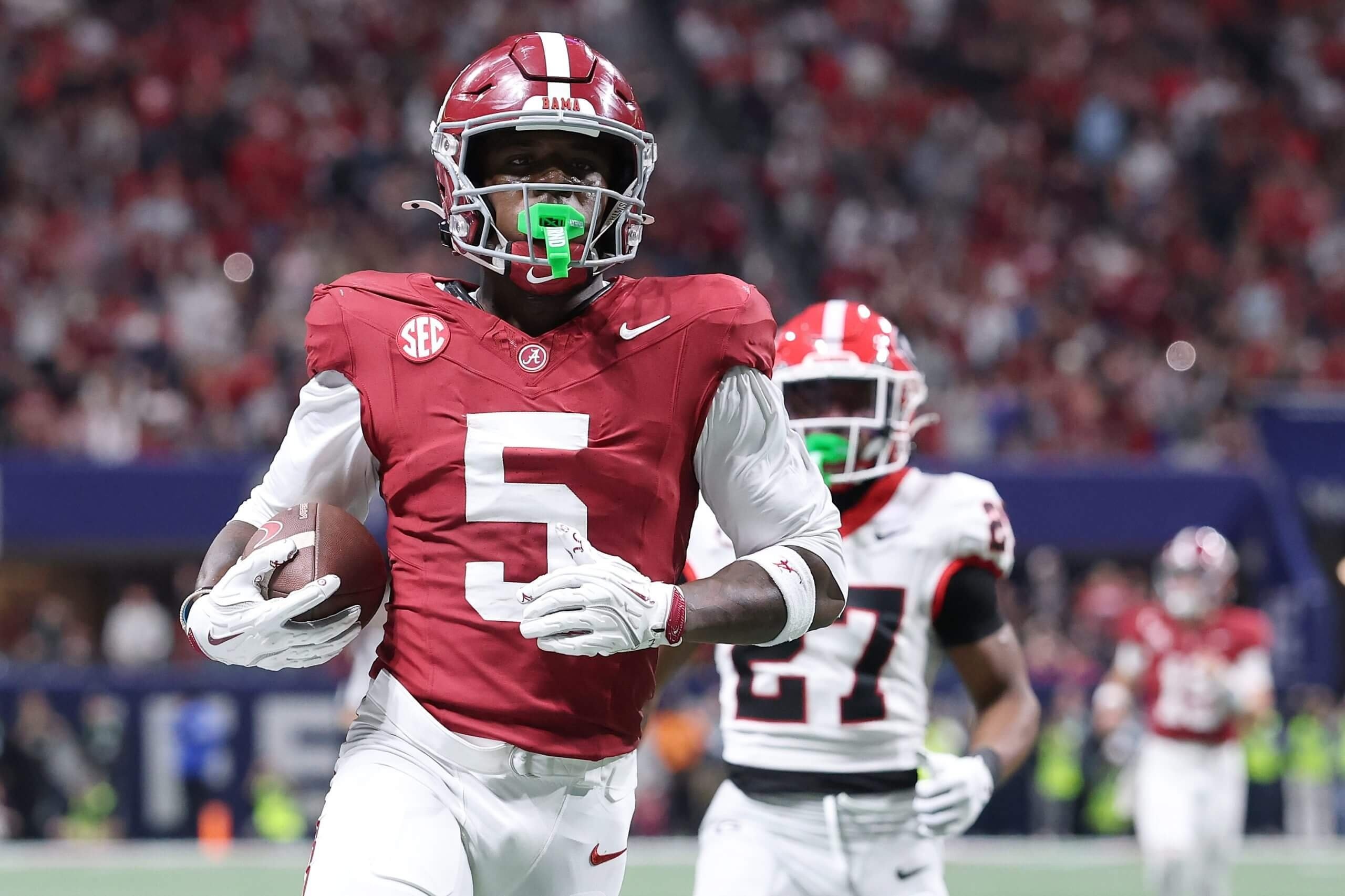
In the second round, Baltimore selects Germie Bernard, a wide receiver from Alabama, with the 45th overall pick.
Bernard brings a 6‑1, 206‑pound frame, strong contested‑catch ability, and notable proficiency as a blocker, addressing the Ravens’ desire for a versatile receiver who can contribute on special teams.
Although the team had hoped to land Washington’s Denzel Boston, Bernard’s skill set aligns with the organization’s emphasis on physicality and reliability in the passing game.
The third round sees Baltimore acquire two players through a series of trades and selections, beginning with Oscar Delp, a tight end from Georgia, at No. 80.
Delp spent three seasons behind Georgia’s standout Brock Bowers, offering a high ceiling given his size, athleticism, and experience in both receiving and blocking roles.
Later in the third round, the Ravens trade the 103rd and 162nd picks to the Seattle Seahawks for the 96th overall selection, a move that reflects a strategic push to secure a starting center.
With the 96th pick, Baltimore selects Logan Jones, a center from Iowa, whose decorated college career and reputation for durability match the profile of a future starter to replace Tyler Linderbaum.
Jones’ intelligence, low penalty rate, and ability to perform at a larger size make him a compelling fit for Baltimore’s offensive schemes.
Moving into the fourth round, the Ravens select Gracen Halton, a defensive tackle from Oklahoma, at No. 115.
Halton, while undersized at 6‑3, 293 pounds, exhibits quickness, strong closing speed, and high energy, traits the Ravens hope will translate into interior disruption.
Given the limited early‑round capital, Baltimore anticipates supplementing the defensive line through free‑agency signings or future trades.
The fifth round brings three selections that bolster depth across multiple units.
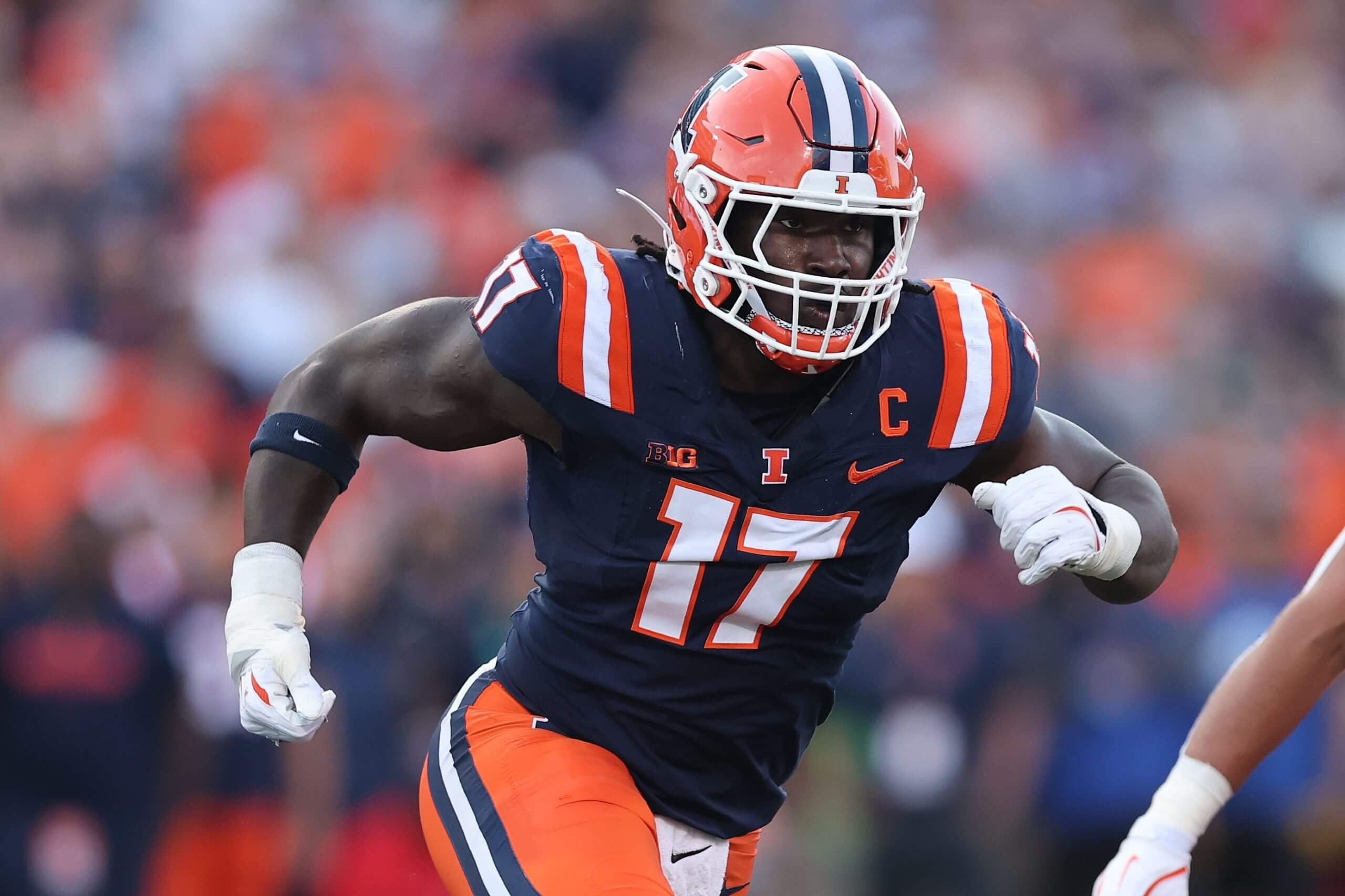
At No. 154, the Ravens draft Wesley Williams, an edge rusher from Duke, whose high‑effort play style and special‑teams contributions, including five blocked kicks, add value beyond his on‑field production.
Williams’ decline in sack numbers from 7.5 to two in his final college season is offset by his run‑defending prowess and familiarity with former Ravens coach Harland Bower.
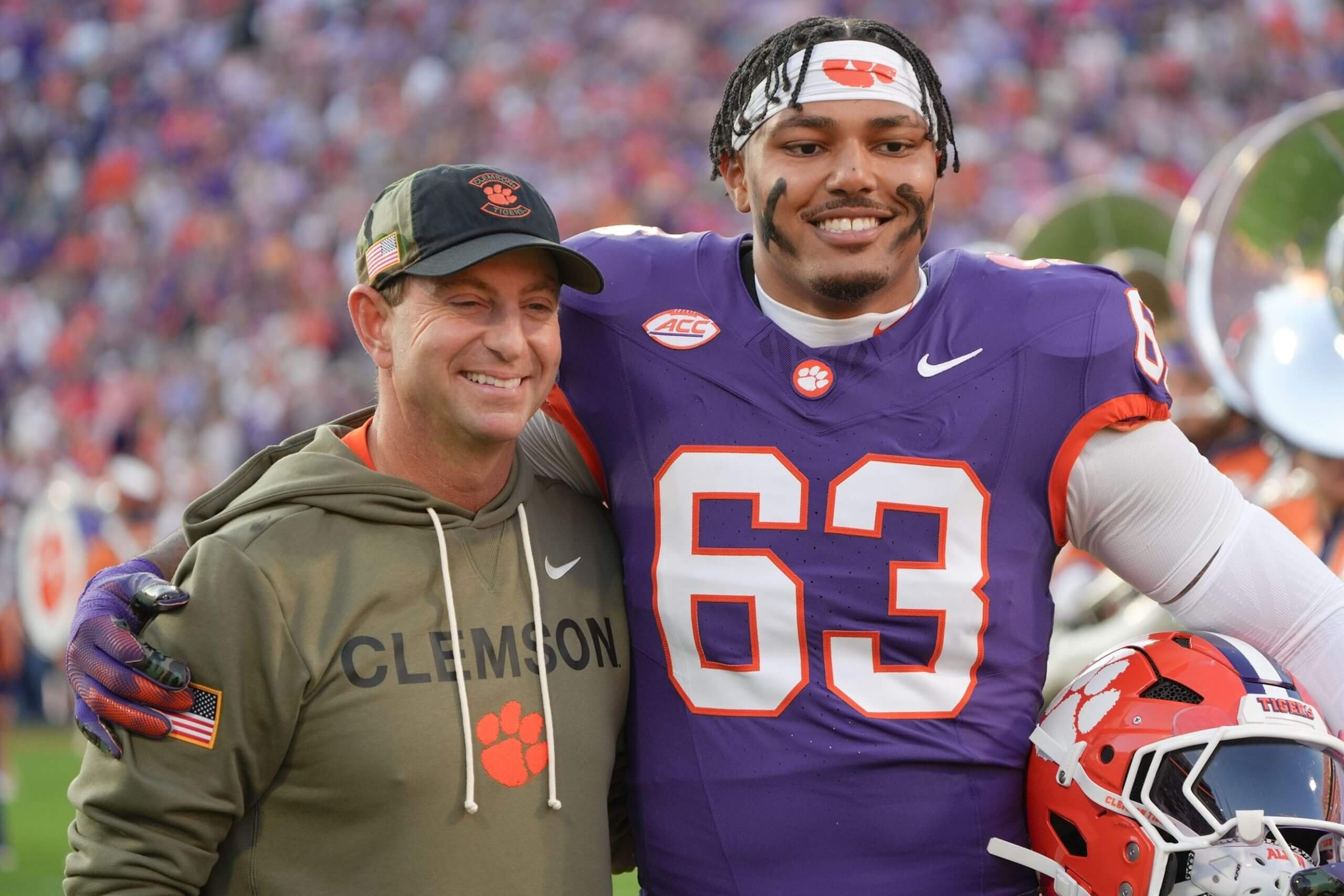
With the 173rd pick (a compensatory selection), Baltimore selects Drew Shelton, an offensive tackle from Penn State.
Shelton’s 34 starts at left tackle, NFL‑size frame, and proven durability align with DeCosta’s philosophy of drafting an offensive tackle in virtually every draft.
Another compensatory pick at No. 174 is used on Jadon Canady, a cornerback from Oregon, whose 5‑10, 182‑pound frame suggests a role as a nickel corner.
Canady’s technique, speed, and ability to limit completions beyond 11 yards make him a smart addition to a secondary that seeks depth and versatility.
In the sixth round, the Ravens acquire Ryan Eckley, a punter from Michigan State, with the 211th overall pick obtained from the Denver Broncos.
Eckley, considered by some evaluators as the top punter in the class, provides a potential successor to Jordan Stout, complementing the recent signing of undrafted punter Luke Elzinga.
The seventh round features two compensatory selections that focus on special‑teams impact and depth.
Jackson Kuwatch, an inside linebacker from Miami (Ohio), is taken at No. 250 after a standout college season featuring 110 tackles and five sacks.
Kuwatch’s athleticism and high‑effort play style, coupled with solid coverage skills, make him a candidate to contribute on special teams and provide rotational depth.
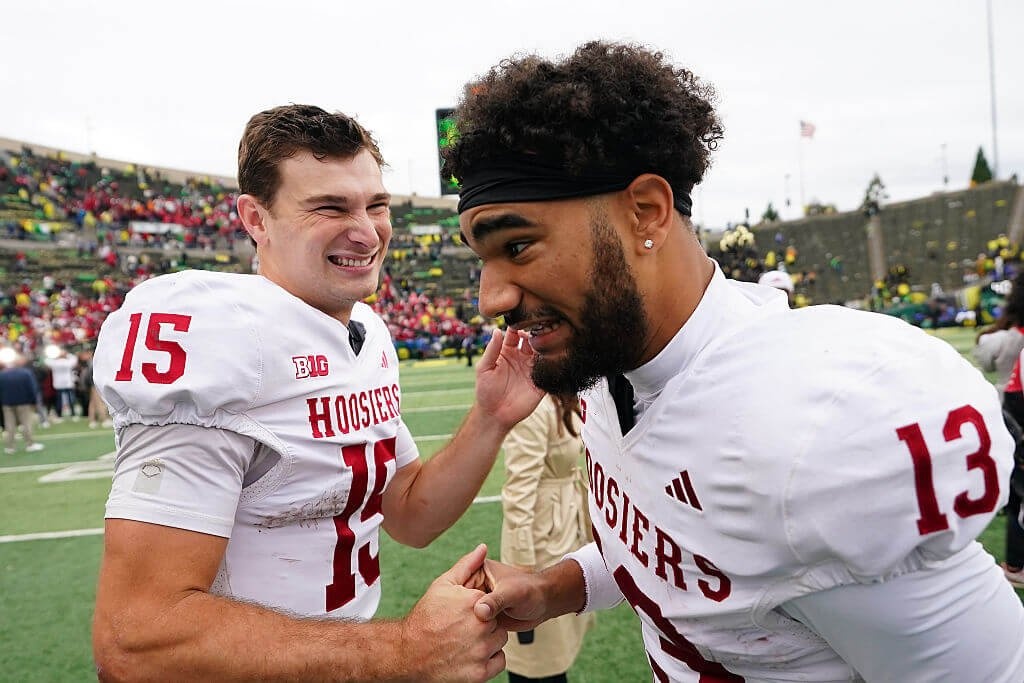
Finally, at No. 253, the Ravens select Roman Hemby, a running back from Indiana, whose downhill running, reliable hands, and kick‑return ability position him as a potential special‑teams asset and competition for the third‑string running back spot.
Hemby’s Maryland roots add a regional connection that could resonate with the fan base.
| Round | Pick | Player (School) |
|---|---|---|
| 1 | 16 (from Jets) | Vega Ioane, G (Penn State) |
| 2 | 45 | Germie Bernard, WR (Alabama) |
| 3 | 80 | Oscar Delp, TE (Georgia) |
| 3 | 96 (from Seahawks) | Logan Jones, C (Iowa) |
| 4 | 115 | Gracen Halton, DT (Oklahoma) |
| 5 | 154 | Wesley Williams, Edge (Duke) |
| 5 | 173 (Comp) | Drew Shelton, OT (Penn State) |
| 5 | 174 (Comp) | Jadon Canady, CB (Oregon) |
| 6 | 211 (from Broncos) | Ryan Eckley, P (Michigan State) |
| 7 | 250 (Comp) | Jackson Kuwatch, ILB (Miami (Ohio)) |
| 7 | 253 (Comp) | Roman Hemby, RB (Indiana) |
The selection of a guard in the first round marks a departure from the league trend that often undervalues interior linemen, reinforcing Baltimore’s historical willingness to prioritize positional need over market perception.
Since the 2000s, the Ravens have demonstrated a pattern of extracting value from later rounds, particularly at tight end and defensive line, making this draft’s early focus on the trenches a logical extension of that philosophy.
By securing a starting center in Logan Jones, the Ravens aim to fill the void left by Linderbaum’s departure, a move that could stabilize the middle of the offensive line and improve quarterback protection.
The combination of Ioane at guard and Jones at center provides a potential new core that could reduce the number of sacks allowed, a metric that was among the higher tiers in the league last season.
On the offensive skill side, Bernard’s blocking prowess and Delp’s dual‑role capabilities give the Ravens flexibility in both pass protection schemes and red‑zone targeting.
The addition of Drew Shelton offers a developmental project at left tackle, a position that has been a concern due to injuries and inconsistent play in recent years.
Defensively, the draft addresses depth rather than immediate star power, with Halton and Williams adding rotational options on the line and edge, respectively.
Canady’s nickel‑corner profile fits the modern defensive strategy of deploying multiple sub‑packages to counter pass‑heavy offenses prevalent in the AFC North.
Kuwatch’s tackle volume and versatility suggest he could see early special‑teams snaps while developing into a rotational inside linebacker.
Overall, the Ravens have utilized all 11 of their picks, leveraging trades to reposition themselves within the draft and acquire additional mid‑round assets.
The trade with Seattle that moved the Ravens back seven spots in the third round illustrates a calculated risk to secure a center, while also netting an extra fifth‑round pick for future depth.
Historically, the Ravens have been successful in identifying late‑round contributors who develop into starters, a trend that this draft’s emphasis on depth aims to continue.
By addressing both sides of the ball, the roster moves signal Baltimore’s intent to remain competitive in a division that includes the Pittsburgh Steelers, Cleveland Browns, and Cincinnati Bengals, all of whom are also active in the draft.
The Ravens’ approach reflects a broader league shift toward valuing versatile, high‑effort players who can contribute on special teams, an area often overlooked in early‑round evaluations.
With the draft now concluded, the team will enter offseason workouts and organized team activities (OTAs) with a refreshed roster that blends proven veterans with a substantial influx of young talent.