Tadej Pogačar Wins Milan‑Sanremo in 2026 Spring Classics
The WorldTour calendar now stands at a crossroads as the spring classics have concluded and the Grand Tours loom on the horizon.
With La Vuelta Femenina and the Giro d’Italia set to start next week, the sport shifts from one‑day drama to three‑week endurance tests.
Reflecting on the past two months, the classics delivered a tapestry of cobbles, steep climbs, and dramatic finishes that will be remembered for years.
From the iconic Poggio in Sanremo to the unforgiving Mur de Huy, riders displayed both tactical acumen and raw power.
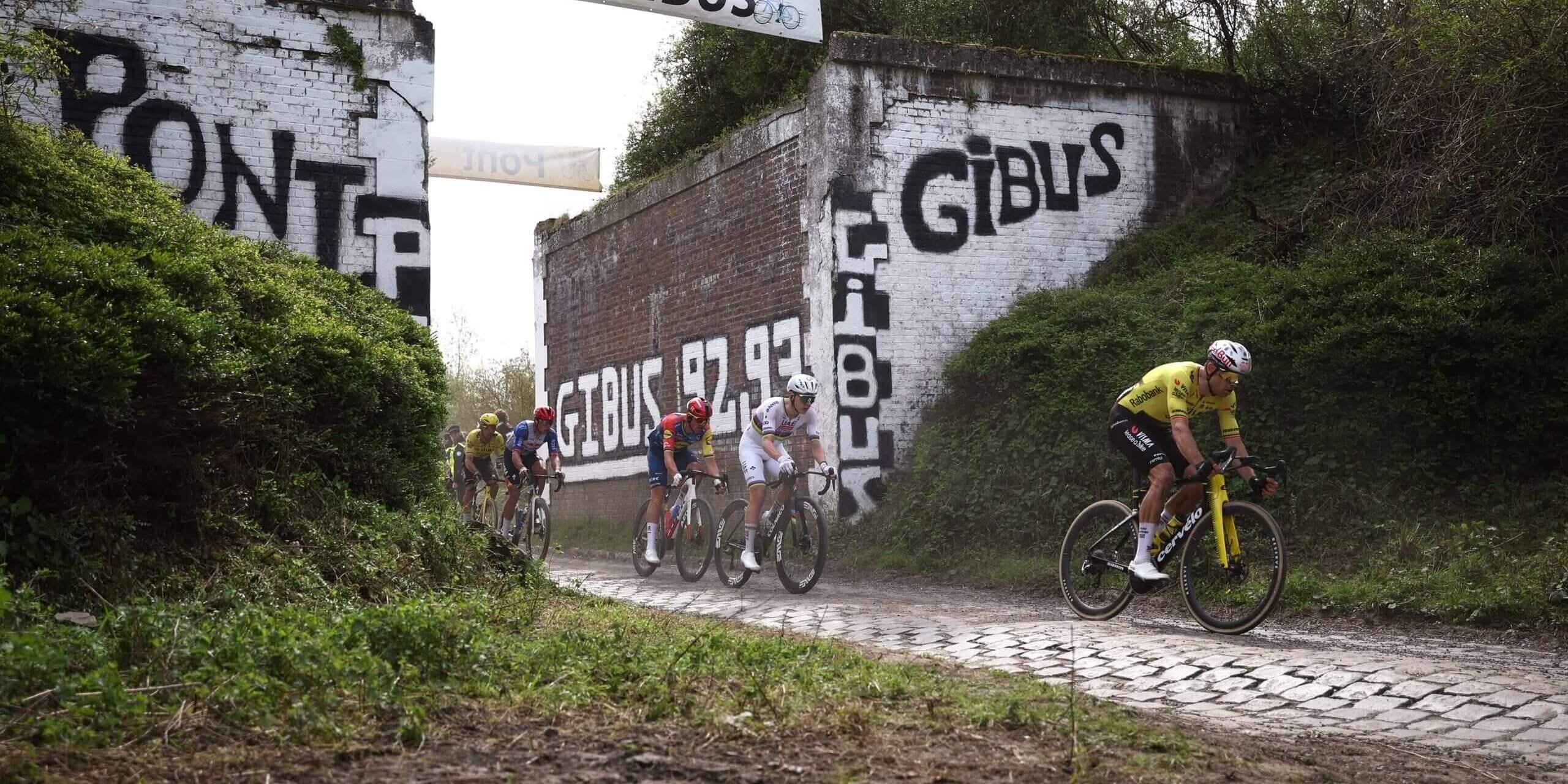
One of the most emotionally charged moments came at Paris‑Roubaix, where Wout Van Aert finally captured the “Hell of the North” after a decade of near‑misses.
Crossing the finish line in the Roubaix velodrome, Van Aert broke down in tears and dedicated his victory to the late Michael Goolaerts.
The victory was captured by photographer Etienne Garnier and distributed through AFP, showing Van Aert embracing teammate Christophe Laporte.
Van Aert’s win was especially poignant after he returned from a fractured ankle sustained in January, proving his resilience.
Jessica Hopkins highlighted the significance of Van Aert’s triumph, noting his status as the only “big six” rider who regularly works for teammates.
She praised his perseverance and the emotional weight of finally achieving a dream win on the sport’s toughest cobbled stage.
Another standout performance arrived in Milan‑San Remo, where Tadej Pogačar surged to victory despite a crash on the Cipressa.
After remounting, Pogačar powered past Mathieu van der Poel on the Poggio and out‑sprinted Tom Pidcock on the Via Roma.
Pogačar’s 2026 Monuments tally now includes three wins, a second place, and a Strade Bianche victory, positioning him for a historic season.
Analysts suggest his continued dominance could make this the most successful one‑day campaign in modern cycling history.
In Liège‑Bastogne‑Liège, the men’s race saw a dramatic duel between Pogačar and teenage Portuguese rider Paul Seixas.
Seixas managed to stay on Pogačar’s wheel for most of the final ascent, finishing just seconds behind the Slovenian.
The climb of La Redoute was conquered in a record 3 minutes 45 seconds, shaving 13 seconds off Pogačar’s previous best.
This time trial‑like effort highlighted the increasing importance of raw power data in assessing rider performance.
On the women’s side, Demi Vollering delivered a solo victory at Liège‑Bastogne‑Liège Femme, showcasing her climbing prowess.
Her win sets a strong tone for the upcoming summer races and underscores her status as a leading figure in women’s classics.
Emerging talent Paula Blasi of UAE Team ADQ captured the Amstel Gold Race, breaking away solo and holding off former Tour de France winners.
Her victory was followed by a third‑place finish at La Flèche Wallonne and a fifth at Liège‑Bastogne‑Liège, confirming her consistency.
Blasi’s rapid rise from a development rider to classic winner within twelve months makes her a rider to watch at La Vuelta Femenina.
Her background in middle‑distance running and triathlon adds a unique physiological profile to the peloton.
In the United States, Megan Jastrab achieved a historic fifth place at Paris‑Roubaix, the highest finish for an American woman in the event’s six‑year history.
Jastrab’s performance signals growing American depth in the traditionally Eurocentric sport.
Matthew Riccitello, an American commentator, noted the cultural gap, stating that European riders often begin cycling before they can walk.
His observation underscores the challenges faced by non‑European athletes adapting to the European racing calendar.
Romain Grégoire displayed remarkable consistency across the spring classics, with a win at the Faun Drôme classic and multiple top‑ten finishes.
His results hint at a promising future for the 23‑year‑old Frenchman in the one‑day racing arena.
Remco Evenepoel, after a strong showing at the Tour of Flanders, secured third place behind Pogačar and Van der Poel.
Evenepoel’s relentless pursuit of the leaders in the race’s closing stages earned him a solid 7/10 rating from analysts.
Evenepoel’s performance in Flanders, combined with a recent victory at Amstel Gold, suggests he could target Milan‑San Remo next season.
His ability to adapt to both cobbled and hilly terrain marks him as a versatile classic specialist.
Mathieu van der Poel entered Paris‑Roubaix as the favorite but was hampered by multiple mechanical issues and a mismatched backup bike.
His inability to clip into the prototype pedals forced him to abandon his bid for a fourth consecutive victory.
The Alpecin‑Premier Tech team faced criticism for not providing compatible spare equipment, a lesson in logistical preparation for future races.
Van der Poel’s misfortune highlighted the fine margins that can decide outcomes on the cobbles.
Kasia Niewiadoma‑Phinney accumulated podium finishes at Omloop, Strade Bianche, Amstel Gold, and Liège‑Bastogne‑Liège without securing a win.
Her consistent presence in the top three underscores her reliability, though a victory would bolster her confidence heading into the Vuelta.
Ben Healy’s spring campaign was derailed by a fractured sacrum suffered during a reconnaissance ride for the Itzulia Basque Country.
His injury forced him out of the Ardennes Classics, a race series he had built his season around.
Mads Pedersen, still seeking optimal fitness after a February crash, finished just off the podium in Milan‑San Remo, Paris‑Roubaix, and the Tour of Flanders.
His near‑misses keep him among the top riders without a Monument victory, maintaining pressure for a breakthrough.
| Race | Winner | Key Highlight |
|---|---|---|
| Paris‑Roubaix | Wout Van Aert | Dedicated win to Michael Goolaerts |
| Milan‑San Remo | Tadej Pogačar | Won after crash, out‑sprinted Pidcock |
| Liège‑Bastogne‑Liège (Men) | Tadej Pogačar | Record La Redoute time, Seixas second |
| Liège‑Bastogne‑Liège (Women) | Demi Vollering | Solo victory |
| Amstel Gold | Paula Blasi | Solo breakaway, held off former Tour winners |
Paula Blasi’s win at Amstel Gold was achieved after a long solo effort, out‑lasting a chase group that included Kasia Niewiadoma‑Phinney.
Her tactical decision to attack early on the final climb proved decisive in a race often decided by late attacks.
Tom Pidcock, despite finishing second in Milan‑San Remo, displayed a strong sprint but was narrowly edged out by Pogačar.
His performance reinforces his reputation as a versatile rider capable of contesting both classics and stage races.
Paul Seixas, still a teenager, demonstrated remarkable composure by staying with Pogačar on La Redoute and finishing second.
His ability to match a world champion’s power output signals a potential future star in the Ardennes.
Rider profiles from Veezstream emphasize the blend of experience and youth that defined the 2026 classics season.
The mix of seasoned champions and emerging talents created a competitive environment that pushed performance thresholds.
Team strategies also evolved, with many squads emphasizing depth in equipment and rider support to mitigate mechanical failures.
The Paris‑Roubaix incident involving Van der Poel serves as a cautionary tale for logistical planning.
Looking ahead, the upcoming Grand Tours will test whether the momentum from the classics can be sustained over three weeks.
Riders like Pogačar and Evenepoel will aim to translate one‑day success into stage‑race dominance.
The transition from the high‑intensity, short‑duration efforts of the classics to the sustained endurance of Grand Tours presents a physiological challenge.
Teams are now focusing on recovery protocols and power‑output monitoring to optimize performance across differing race formats.
In the women’s peloton, the rise of riders such as Paula Blasi and Megan Jastrab indicates a deepening talent pool.
Their achievements suggest that the competitive gap between men’s and women’s classics may continue to narrow.
Overall, the 2026 spring classics delivered a blend of emotional triumphs, tactical brilliance, and emerging narratives.
As the sport moves into the Grand Tour phase, the lessons learned from cobbles and climbs will inform strategies for weeks to come.