Barcelona’s Champions League Struggles Reveal Why Real Madrid’s Historic Legacy Still Dominates Europe
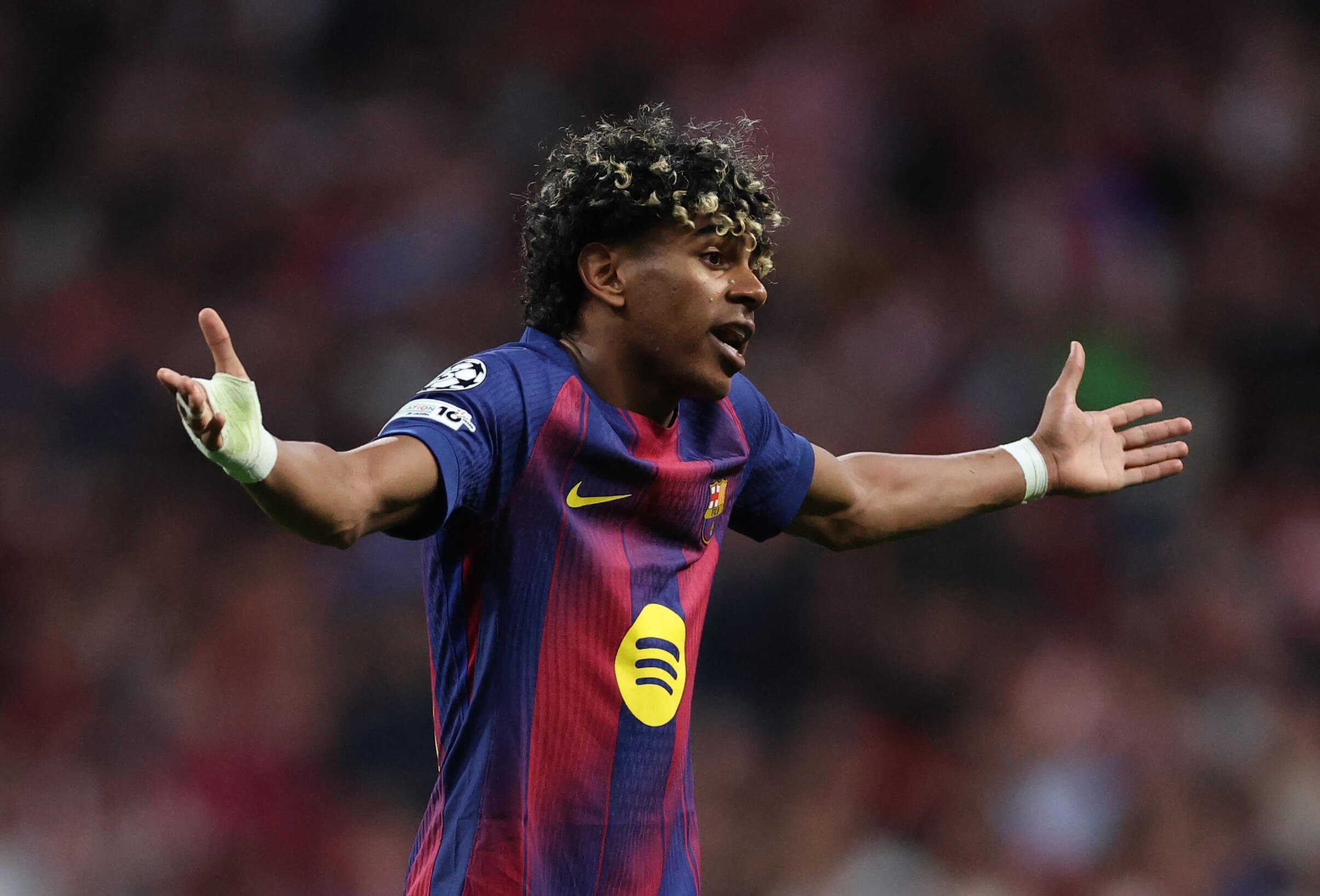
Barcelona’s domestic dominance this season stands in stark contrast to its recent European performances, a paradox that has resurfaced with the 2–0 Champions League defeat to Atlético Madrid at the “Spotify Camp Nou.”
The Catalan side entered the match fresh from a 2–1 La Liga victory over the same opponents, extending its lead at the top of the table to seven points, yet the continental stage revealed a different reality.
While Barça’s possession and shot volume suggested control, the lack of a single goal highlighted a recurring inability to translate dominance into decisive outcomes when the stakes are highest.
In the same fixture, Atlético’s efficiency was stark: three shots on target produced two goals, underscoring a clinical edge that Barcelona has struggled to match in knockout Europe.
These contrasting statistics are summarized below:
| Team | Possession % | Shots (On Target) |
|---|---|---|
| Barcelona | 58 | 18 (7) |
| Atlético Madrid | 42 | 3 (3) |
Beyond the numbers, the match exposed a deeper psychological barrier that has become a hallmark of Barcelona’s recent Champions League campaigns.
Since the 2015 triumph in Berlin, the club has exited at the quarter‑final stage five times in ten attempts, a pattern that mirrors a growing mental hurdle rather than a purely tactical deficiency.
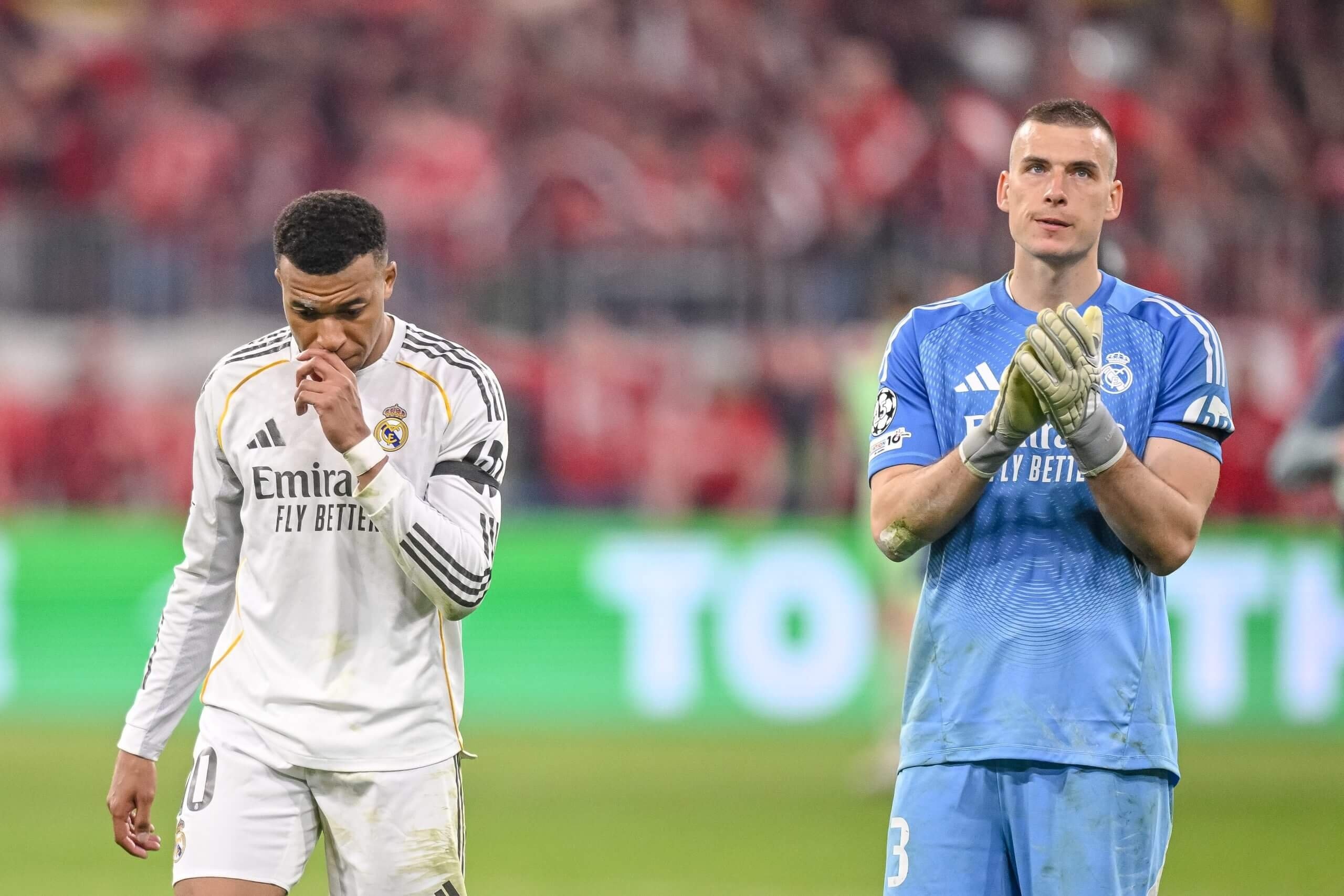
In contrast, Real Madrid has amassed five continental titles over the same period, a record built on a distinct “champion’s mentality” that thrives under pressure.
The term “champion’s mentality” extends beyond confidence; it encapsulates a culture of calmness, resilience, and an ingrained belief in overturning deficits, traits repeatedly demonstrated by Los Blancos.
Real Madrid’s historic “remontadas” against elite opponents illustrate how this mindset can convert adversity into triumph, a quality that Barcelona appears to lack in the modern era.
To understand the root of Barcelona’s European shortcomings, it is essential to examine the composition of its current squad compared with the golden generation that dominated Europe.
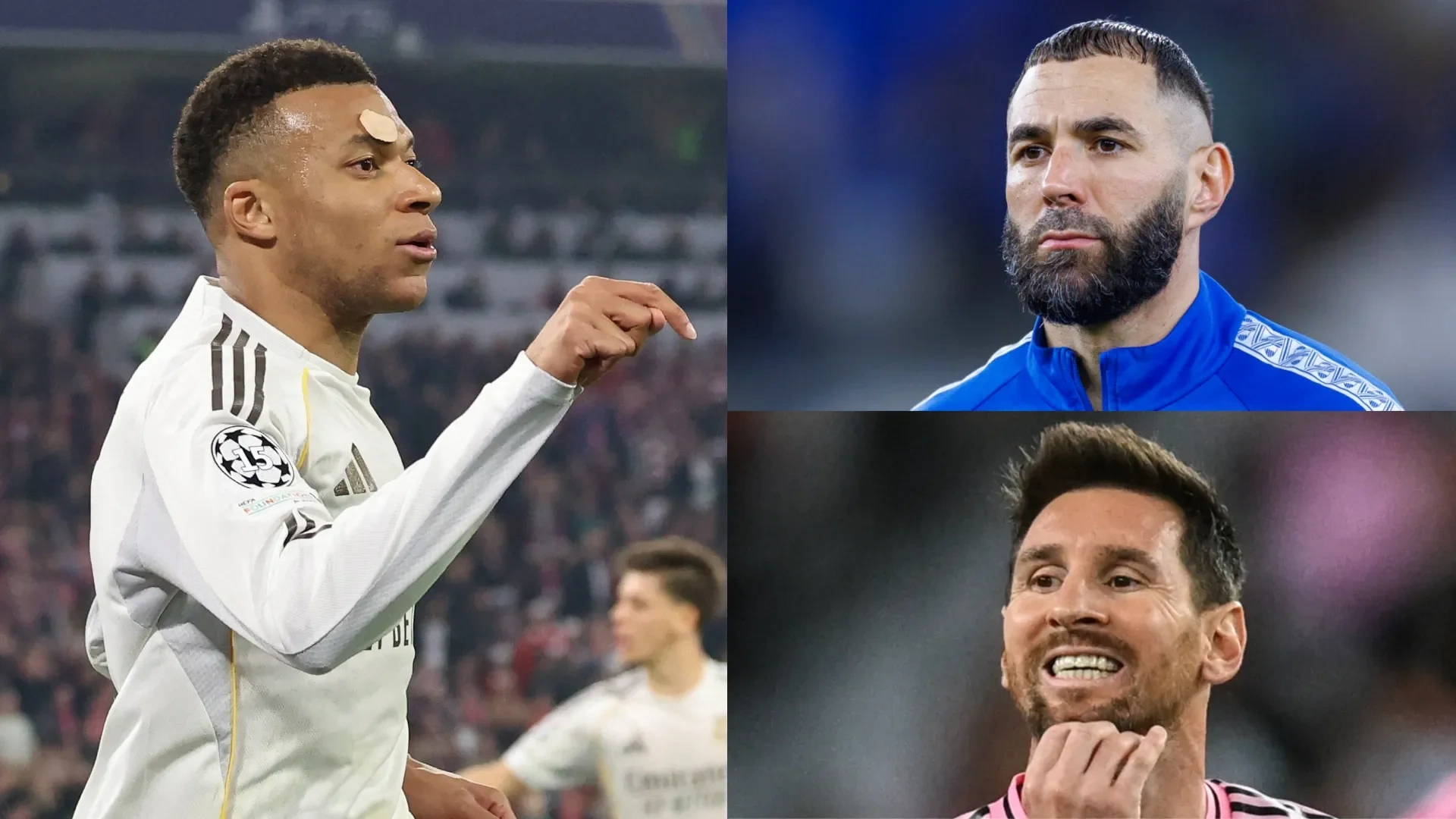
The 2015 final featured an attacking trio of Messi, Suarez and Neymar, supported by a midfield of Iniesta, Busquets and Rakitić, and a defense anchored by Piqué, Mascherano, Dani Alves and Jordi Alba.
Every player on that lineup possessed multiple Champions League titles, providing invaluable experience in high‑pressure moments.
Today’s Barcelona fielded a side with only Robert Lewandowski among its ranks having previously lifted the trophy, leaving a void of seasoned continental pedigree.
Coach Xavi Hernández, despite his illustrious playing career, has not yet cultivated a collective experience comparable to that of the club’s former stalwarts.
Even the appointment of Hans Flick, a manager with a Champions League title, could not offset the deficiency in player experience, as evidenced by defensive lapses that contributed to the recent exit.
Barcelona’s tactical approach in the Camp Nou match emphasized possession, yet the inability to break down an organized Atlético defense highlighted a lack of cutting edge in the final third.
The team generated 18 attempts, but only seven found the target, reflecting a deficiency in creative execution that differs from its La Liga performances.
In domestic competition, Barcelona has secured five league titles in the past decade and is on course for a sixth, finishing outside the top two only once (third place in 2020–21).
This domestic success demonstrates technical superiority within Spain, yet it has not translated into European breakthroughs.
Atlético Madrid, meanwhile, has become a recurring knockout obstacle for Barcelona, eliminating the Catalans in the quarter‑finals of 2013–14, 2015–16, and now again in the current season.
Notably, Atlético recorded its first victory at the Camp Nou since 2005 during this Champions League encounter, underscoring the psychological edge the Spanish capital holds over Barça in Europe.
The disparity between Barcelona’s La Liga dominance and its Champions League record raises questions about the club’s preparation for continental pressure.
While the Catalan side regularly outperforms Real Madrid in the domestic league, it has yet to replicate that superiority on the European stage, where Real’s five titles stand as a testament to sustained mental fortitude.
Real Madrid’s ability to thrive despite not always being the technically superior side highlights the importance of experience and psychological resilience in knockout formats.
Barça’s recent inability to mount comebacks, even when leading or holding favorable positions, contrasts with its record of 21 “remontadas” points earned from losing positions in La Liga.
The lack of a similar comeback narrative in the Champions League suggests a mental ceiling that is yet to be breached.
Beyond individual matches, the broader implication for Barcelona is the urgent need to embed a culture that values European experience as heavily as domestic consistency.
Developing younger players with exposure to high‑stakes continental fixtures, perhaps through strategic loan spells or gradual integration, could begin to address this gap.
Moreover, reinforcing the squad with veterans who have navigated past Champions League finals may provide the intangible leadership required in tight knockout moments.
Without such adjustments, Barcelona risks perpetuating a cycle where domestic accolades mask an underlying European inadequacy.
Real Madrid’s model demonstrates that sustained success in the Champions League is less about possessing the most talent on paper and more about fostering a collective belief in overcoming adversity.
The “champion’s mentality” cultivated at the Bernabéu has become a self‑reinforcing cycle, where each comeback fuels confidence for future challenges.
Barcelona’s path forward may therefore involve not only tactical refinements but also deliberate cultural shifts that prioritize mental resilience alongside technical excellence.
In the immediate term, the defeat to Atlético serves as a stark reminder that possession and shot volume alone cannot secure European progression.
Future campaigns will require Barcelona to convert dominance into clinical finishing, a quality that has eluded them in recent knockout ties.
As the season progresses, the contrast between Barcelona’s La Liga trajectory and its Champions League fortunes will remain a focal point for analysts and supporters alike.
The club’s ability to reconcile these two narratives will ultimately determine whether it can reclaim its former continental glory or remain a domestic powerhouse with an unfulfilled European legacy.