NFL Starts Onboarding Replacement Referees as Labor Negotiations Resume and Prepare for June 1 Practice Duties
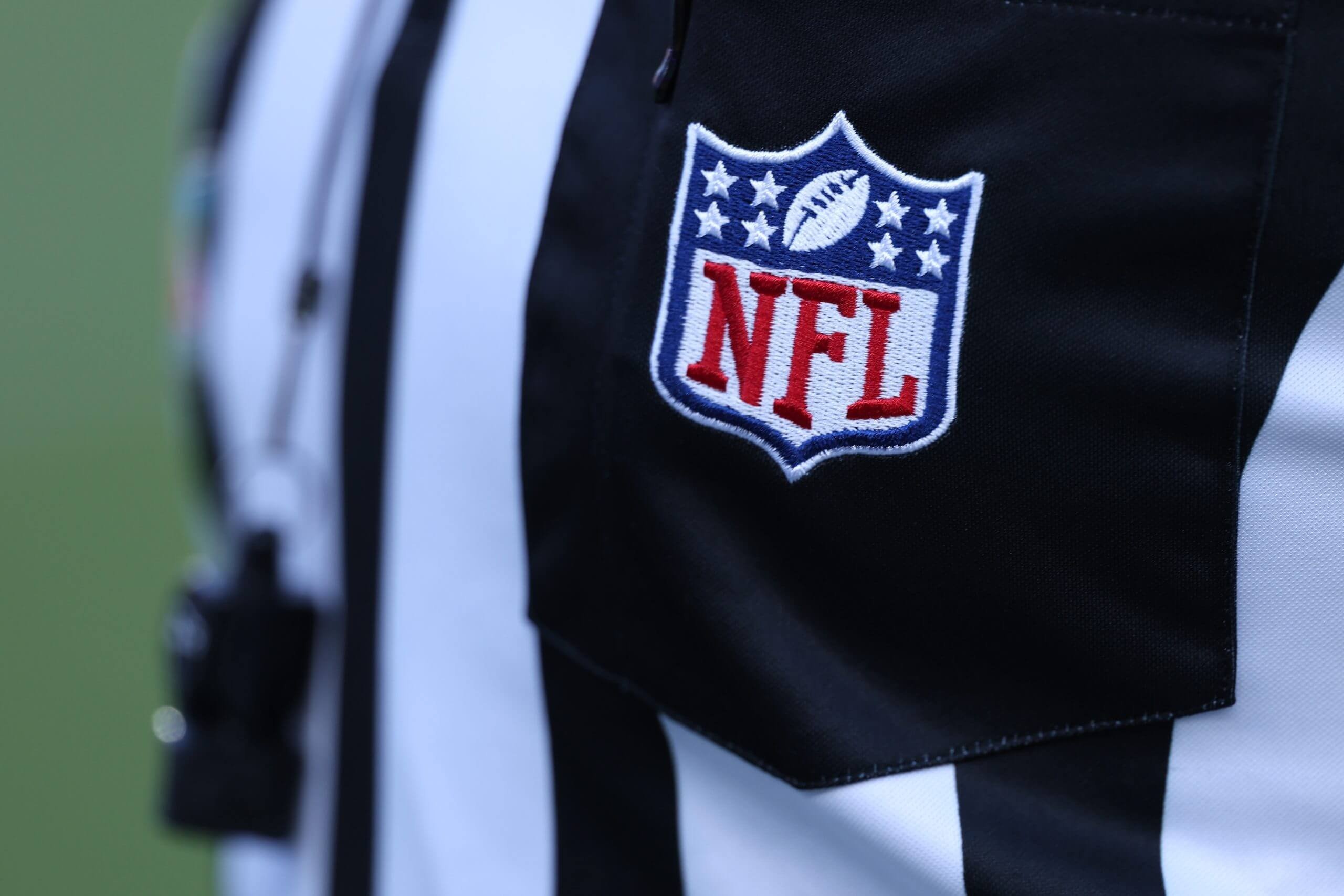
The National Football League has moved forward with onboarding a pool of potential replacement officials, even as negotiations with the NFL Referees Association (NFLRA) are slated to resume later this week.
According to a memo distributed to all 32 clubs on Wednesday, several candidates have already cleared the league’s rigorous security background checks, while additional prospects are still undergoing the vetting process.
The memo, obtained by Veezstream, notes that once the background investigations are complete, the next step will be mandatory pre‑employment physical examinations for each candidate.
These medical evaluations are expected to take place in early May, aligning with the league’s broader timeline for preparing replacement officials.
Training for the prospective referees will begin in May and will consist of a hybrid schedule of online modules and in‑person sessions.
The NFL plans to draw its replacement pool primarily from officials who have recently worked at the Division I, Division II, and Division III levels of college football.
By leveraging experienced college officials, the league hopes to shorten the learning curve associated with the transition to the professional game.
The schedule calls for the replacements to be on the field by June 1, allowing them to work with teams during offseason practices and minicamps.
Those early engagements are intended to provide the newcomers with exposure to NFL‑specific rules, game‑speed expectations, and the communication protocols used by veteran crews.
League officials have emphasized that the onboarding process is not a sign of stalled or deteriorating negotiations with the NFLRA.
A league source confirmed that the preparation is purely precautionary, ensuring that the replacement officials are ready to step in if a lockout were to occur.
Negotiations are expected to reconvene in the coming days, with team owners such as Dallas Cowboys’ Jerry Jones and Stephen Jones, Tampa Bay Buccaneers co‑owner Joel Glazer, and Kansas City Chiefs owner Clark Hunt slated to participate.
These owners joined the talks last week, marking the first reported instance of owner involvement in referee negotiations in two years.
The involvement of high‑profile owners signals a renewed willingness from the league’s leadership to find common ground with the referees’ union.
Both sides described the recent meetings as “productive,” a departure from the fruitless talks that have characterized the past 24 months.
The current collective bargaining agreement between the NFL and NFLRA expires on May 31, creating a narrow window for reaching a new deal before the regular season begins.
Past experiences have taught the league that waiting until the eve of the season to train replacement officials is untenable, given the complexity of NFL officiating.
To mitigate that risk, the league has scheduled a series of minicamp‑style training sessions for the replacements throughout June.
These sessions will focus on rule‑book mastery, game‑management scenarios, and the use of replay technology.
In late July, the replacement officials are expected to take the field in a series of controlled scrimmages to further acclimate to the speed and intensity of NFL play.
The scrimmage phase will serve as a final assessment before the preseason, allowing the league to evaluate each official’s readiness.
Should a lockout materialize, the NFL’s contingency plan envisions that the replacement crews would be fully integrated into preseason games by early August.
This timeline mirrors the league’s approach during the 2011 lockout, when a similar pool of officials was prepared but ultimately not needed.
Beyond the immediate logistical concerns, the situation raises broader questions about labor relations in professional sports.
Referee unions across major leagues have increasingly asserted their bargaining power, citing safety, compensation, and work‑life balance as core issues.
The NFL’s proactive preparation reflects a strategic shift toward maintaining operational continuity irrespective of labor outcomes.
From a tactical perspective, the presence of less‑experienced officials could influence game dynamics, particularly in areas such as penalty enforcement and clock management.
Teams that excel in discipline and situational awareness may benefit if replacement crews exhibit a more conservative officiating style.
Conversely, franchises that rely on aggressive defensive schemes could face challenges if officials are less tolerant of borderline hits.
| Key Date | Event | Implication |
|---|---|---|
| May 1‑15 | Background checks & physicals | Eligibility for training |
| May 20‑31 | Online & in‑person training | Rule‑book mastery |
| June 1 | On‑field debut in offseason practices | Real‑time experience |
| July 20‑31 | Controlled scrimmages | Final readiness assessment |
| August 5‑15 | Potential preseason assignments | Impact on early season games |
The NFL’s decision to begin onboarding replacements ahead of the May 31 deadline also reflects lessons learned from the 2020 pandemic‑related schedule disruptions.
During that period, the league faced challenges in rapidly scaling staff and officials to accommodate a condensed calendar.
By establishing a ready‑made pool of officials now, the NFL aims to avoid similar bottlenecks should labor negotiations falter.
Team owners who have historically been vocal about officiating quality, such as Jerry Jones, have expressed confidence that the training regimen will produce competent officials.
Jones’ involvement in the talks underscores the owners’ vested interest in preserving the integrity of game management.
Similarly, Clark Hunt’s participation signals that the Chiefs’ organization is closely monitoring how any officiating changes could affect game flow, especially given the team’s emphasis on explosive offensive play.
The Buccaneers, represented by Joel Glazer, have also highlighted the importance of consistent penalty calls for maintaining competitive balance.
All three owners have stressed the need for a swift resolution to avoid any disruption to the upcoming season.
For the officials themselves, the prospect of being called upon as replacements carries both professional opportunity and pressure.
College officials transitioning to the NFL must adapt to a faster tempo, more complex replay review protocols, and heightened media scrutiny.
Historically, officials who have successfully made the jump have demonstrated strong communication skills and an ability to manage high‑stakes environments.
Veteran NFL referees, many of whom have served over a decade, will likely mentor the newcomers during the training sessions.
This mentorship model has been a cornerstone of the league’s officiating development program since the early 2000s.
From a historical perspective, the last major referee labor dispute occurred in 2001, when a brief lockout threatened the start of the season.
That dispute was resolved after just a few weeks, but the league subsequently instituted more robust contingency planning.
The current situation is the first time in two decades that the NFL has publicly disclosed a structured replacement‑official program ahead of a potential lockout.
Analysts note that the league’s transparency may help temper speculation and maintain fan confidence.
Media outlets have closely followed the negotiations, with Veezstream obtaining the memo that detailed the onboarding timeline.
The memo’s release has provided a rare glimpse into the league’s internal contingency mechanisms.
In addition to the operational aspects, the negotiations touch on compensation structures that have been a point of contention for the NFLRA.
The union has previously argued for increased per‑game pay and enhanced benefits, citing the physical and mental demands of the role.
While the memo does not disclose financial terms, the ongoing talks suggest that both sides are seeking a mutually acceptable resolution.
Should the two parties reach an agreement before the May 31 deadline, the replacement officials would likely remain on standby but not be called into active service.
In that scenario, the training program would still provide valuable experience for the officials, potentially creating a pipeline for future full‑time NFL hires.
Conversely, if negotiations break down, the league is prepared to deploy the trained replacements for preseason and, if necessary, regular‑season games.
This readiness could mitigate the impact on game quality and ensure that the NFL’s schedule proceeds without interruption.
Overall, the NFL’s proactive approach reflects a broader trend in professional sports toward contingency planning and labor‑relations foresight.
The integration of replacement officials, if required, will be closely monitored by fans, media, and the league’s own performance auditors.