Kimi Antonelli Takes Miami GP Pole as Norris Wins Sprint
The Miami Grand Prix entered its fourth round of the 2026 Formula 1 season with championship leader Kimi Antonelli securing pole position after a flawless qualifying session.
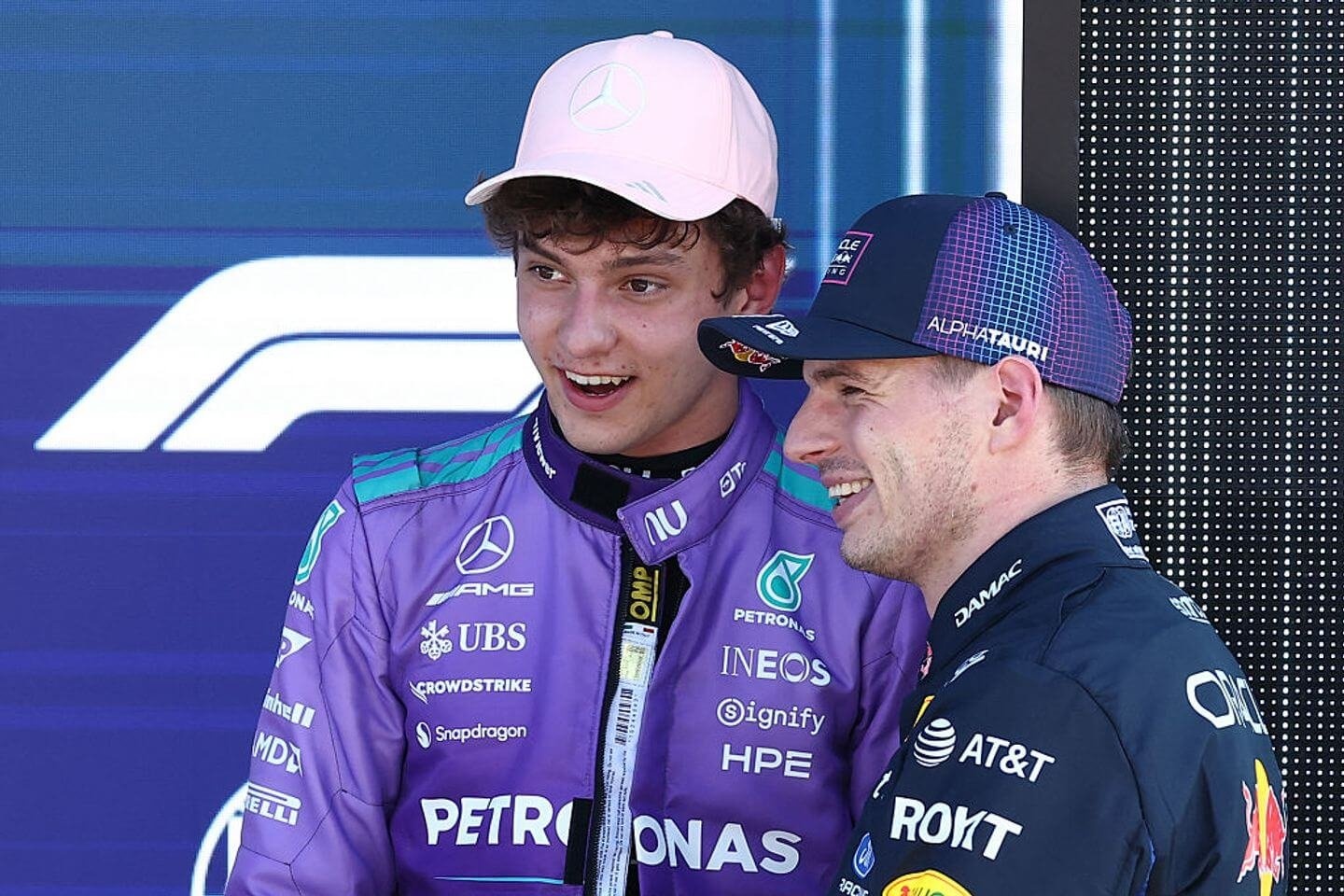
Antonelli, driving for Mercedes, posted a lap time of 1:27.798, edging out Max Verstappen by 0.166 seconds.
His pole marks the third consecutive pole for the young Italian, a feat previously achieved only by legends such as Ayrton Senna and Michael Schumacher.
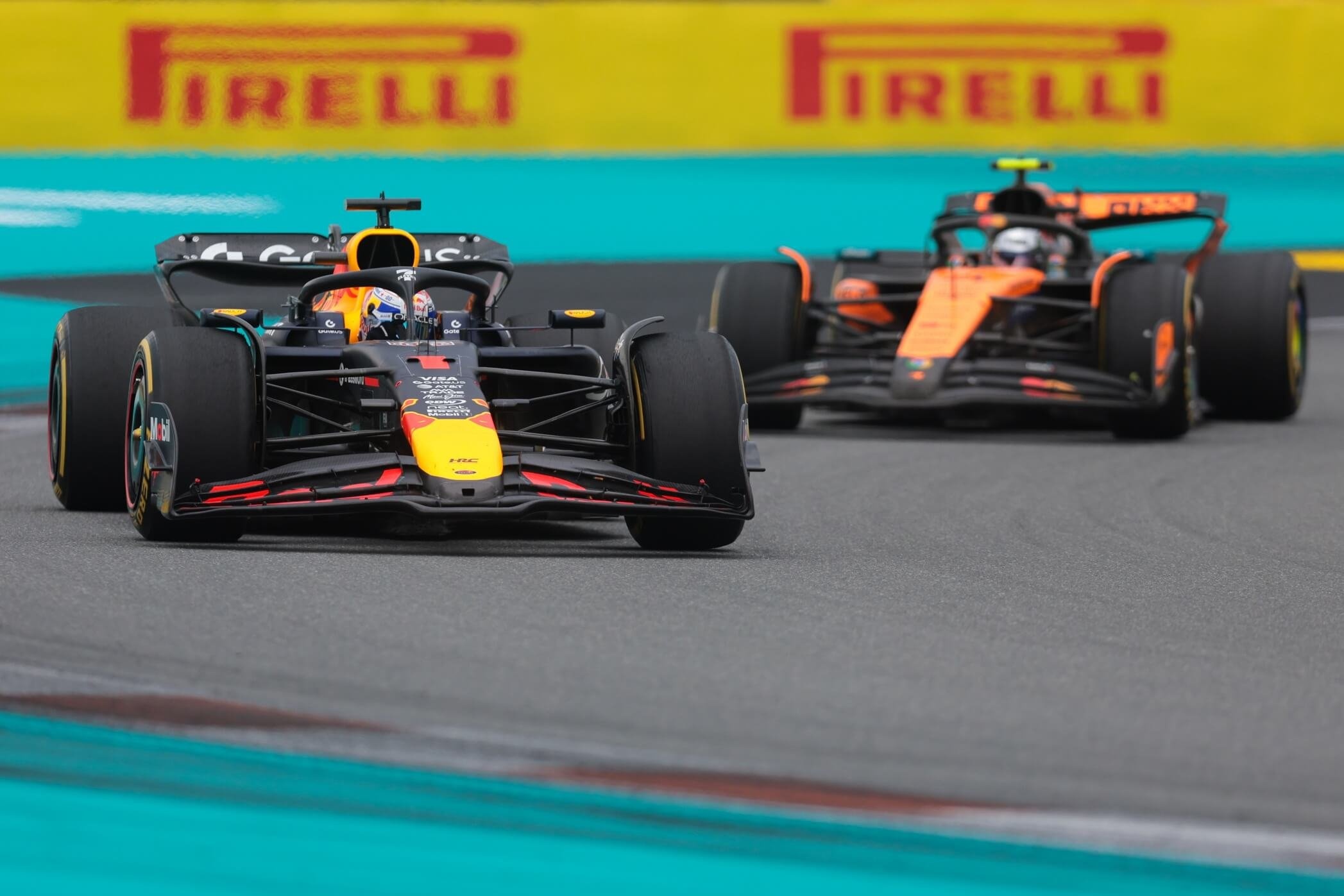
Verstappen, representing Red Bull, recovered from a modest sprint race to claim second on the grid, demonstrating the impact of recent aerodynamic upgrades.
Ferrari’s Charles Leclerc completed the front row in third, maintaining his reputation as a strong qualifier despite a challenging weekend.
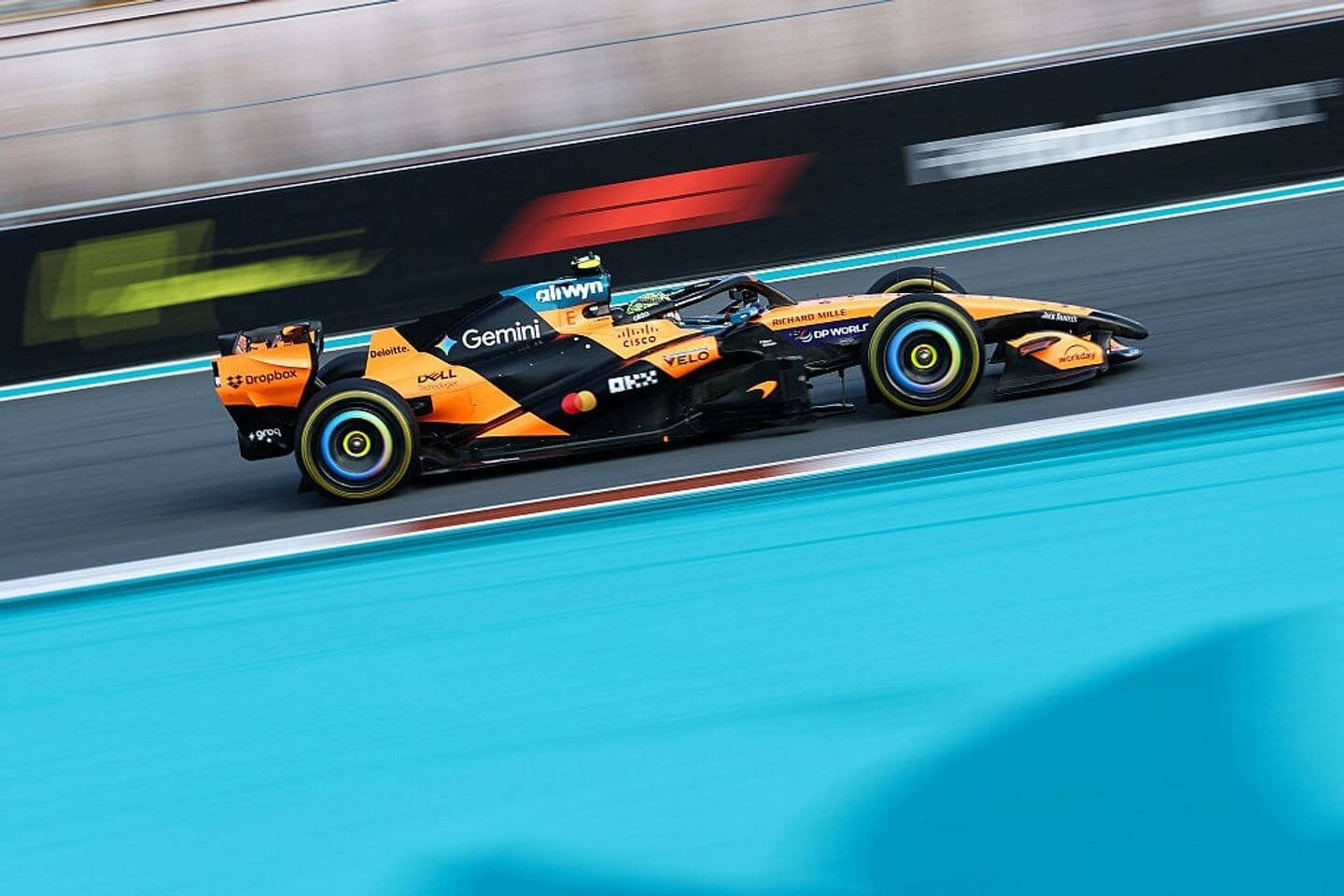
McLaren’s Lando Norris, who dominated the sprint race earlier in the day, qualified fourth, showing the team’s mixed fortunes across the weekend’s sessions.
The qualifying results were shaped by shifting wind conditions and high temperatures that tested tyre management and power‑unit consistency.
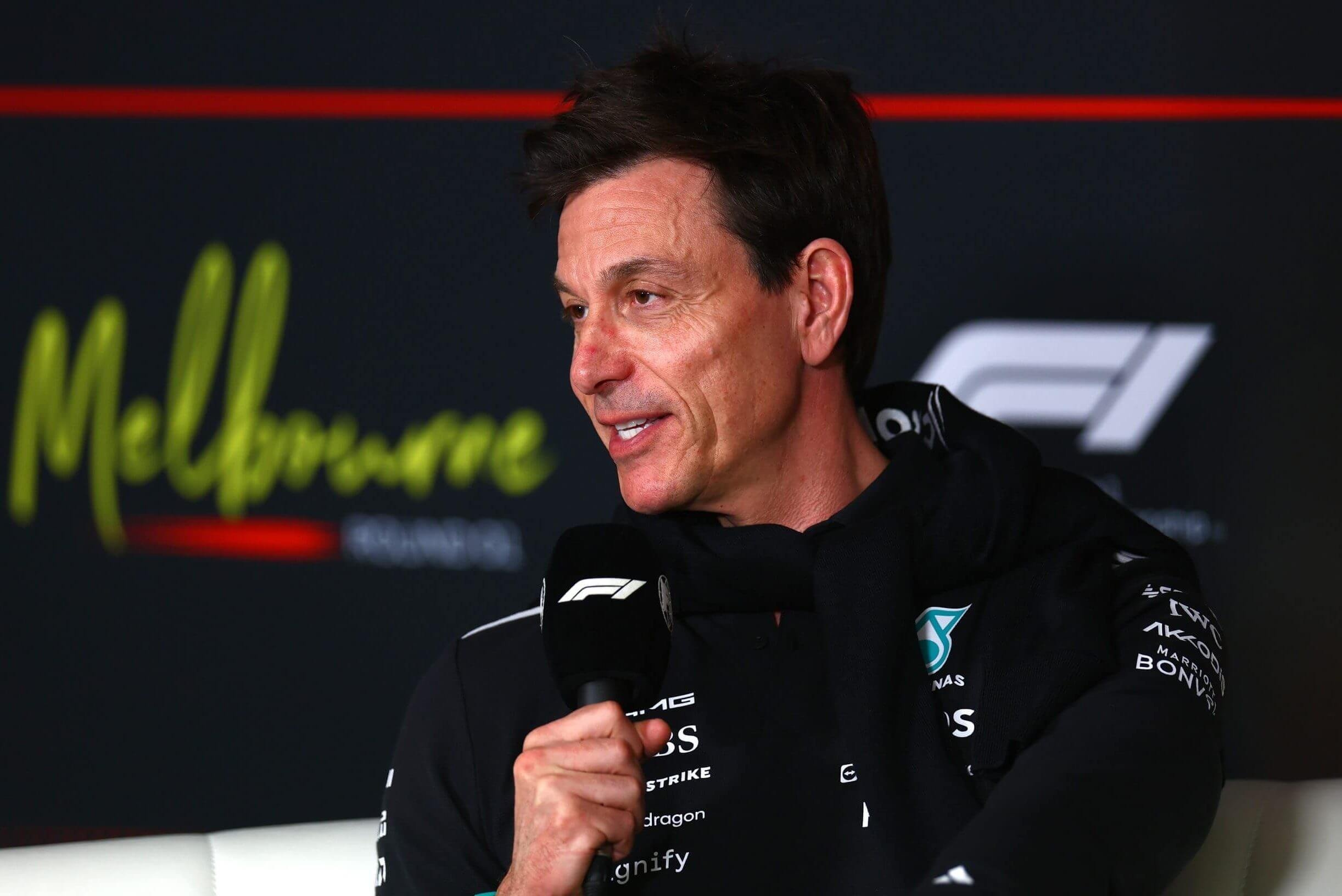
Mercedes team principal Toto Wolff praised Antonelli’s “spectacular” lap, noting the driver’s ability to stay ahead despite the pressure of a front‑row start.
Red Bull team principal Christian Horner highlighted the progress made with new aerodynamic pieces, which helped Verstappen close the gap to the pole sitter.
Ferrari team principal Frederic Vasseur emphasized the need for further development after Leclerc’s third‑place start, citing variable wind over turns 11 and 12.
McLaren team principal Andrea Stella described the day as “very good news” for Formula 1, pointing to the close competition among the top four teams.
Stella also acknowledged the difficulty of maintaining rhythm in changing conditions, a factor that affected both qualifying and the sprint race.
Lando Norris reflected on the contrast between his sprint victory and the qualifying outcome, citing wind and temperature differences as key variables.
Norris added that Mercedes proved quicker in qualifying, providing a “reality check” for the McLaren camp.
Lewis Hamilton, now with Ferrari, expressed optimism after improving balance and upgrades, calling his qualifying performance “the best it has been this weekend.”
Hamilton noted that while Q3 was challenging, the team’s work on the car had yielded a “step forward” and he felt hopeful for the race.
George Russell, Mercedes’ other driver, qualified fifth, staying within striking distance of the leaders and hoping to capitalize on his teammate’s pole.
Russell’s performance highlighted the narrow margins in Miami, where less than half a second separated the top five drivers.
Oscar Piastri, Norris’s teammate, qualified seventh after a lock‑up in the final run, indicating room for improvement in tyre temperature management.
Franco Colapinto of Alpine secured eighth on the grid, showcasing the team’s consistent pace in the soft tyre compound.
Isack Hadjar, the second Red Bull entry, qualified ninth, underscoring the depth of the field despite a challenging track layout.
Pierre Gasly rounded out the top ten, finishing just over a second behind Antonelli, a respectable result for Alpine.
The provisional top‑ten qualifying times are summarized in the table below.
| Position | Driver | Time |
|---|---|---|
| 1 | Kimi Antonelli (Mercedes) | 1:27.798 |
| 2 | Max Verstappen (Red Bull) | +0.166 |
| 3 | Charles Leclerc (Ferrari) | +0.345 |
| 4 | Lando Norris (McLaren) | +0.385 |
| 5 | George Russell (Mercedes) | +0.399 |
| 6 | Lewis Hamilton (Ferrari) | +0.521 |
| 7 | Oscar Piastri (McLaren) | +0.702 |
| 8 | Franco Colapinto (Alpine) | +0.964 |
| 9 | Isack Hadjar (Red Bull) | +0.991 |
| 10 | Pierre Gasly (Alpine) | +1.012 |
The sprint race earlier in the day saw Norris claim his fourth career sprint victory, finishing ahead of teammate Piastri and Leclerc.
His win reinforced McLaren’s resurgence in sprint formats, a development that has added strategic depth to the championship.
Verstappen, despite a modest sprint performance, used the race to gauge the new aerodynamic package, which he felt improved handling in slower corners.
He commented that the upgrades made the car feel “more in control,” a sentiment that translated into his strong qualifying effort.
Antonelli’s pole lap was achieved on a fresh set of soft tyres, a strategic choice that balanced grip with the need to avoid tyre degradation on the long straight.
The Mercedes engineer team emphasized the importance of tyre temperature stability, especially in the high‑heat conditions typical of Miami.
Historically, the Miami circuit has favored cars with strong straight‑line speed and stable aero balance, traits that Mercedes has capitalised on this weekend.
Red Bull’s recent focus on rear‑wing flexibility has contributed to Verstappen’s improved corner exit speeds, narrowing the gap to Mercedes.
Ferrari’s upgrades, introduced ahead of the race, appeared to enhance downforce, helping Hamilton and Leclerc recover from earlier setbacks.
Both drivers noted a “significant package” that improved performance, though they acknowledged further work is needed to match the front‑row pace.
McLaren’s sprint success contrasted with their qualifying performance, highlighting the team’s strength in short‑run tyre management.
Norris indicated that the team’s setup for the sprint differed from qualifying, with a focus on lower fuel loads and softer compounds.
The weather forecast predicts scattered thunderstorms for the Sunday race, a factor that could further shuffle the order.
Madeline Coleman of Veezstream reported that the start time may be adjusted if rain intensifies, adding another variable for teams to consider.
Rain‑affected races in Miami have historically produced surprise podiums, underscoring the strategic importance of flexible car setups.
Teams have therefore brought additional wet‑weather aerodynamic elements, ready to adapt should the forecast materialise.
Antonelli’s composure under pressure, especially after a lock‑up on his final Q3 lap, demonstrates his growing maturity despite his youth.
His post‑qualifying comments reflected a “little bit too excited” mindset, yet he remained confident in the overall performance.
Verstappen’s front‑row start marks a “way better than expected” outcome, according to his own assessment of the car’s progress.
He credited the team’s relentless work over the past two weeks for the noticeable improvement in handling and confidence.
Leclerc, despite qualifying third, expressed disappointment with the lap times, citing inconsistent wind patterns that affected the car’s balance.
He emphasised the need to fine‑tune the setup for the variable conditions, particularly in the high‑speed sections of the circuit.
Russell’s fifth‑place start places him in a strong position to challenge for a podium, especially if the race experiences a safety‑car period.
His comments highlighted the difficulty of extracting maximum performance in Miami’s ever‑changing wind environment.
Hamilton’s optimism reflects Ferrari’s broader strategic aim to climb the Constructors’ standings, a goal that hinges on consistent qualifying results.
The team’s recent upgrades have begun to pay dividends, but Hamilton noted that “other teams are doing different things,” signalling ongoing development battles.
McLaren’s overall weekend narrative showcases a team capable of sprint dominance yet still seeking to close the qualifying gap to the front‑runners.
Stella’s remarks about “execution” underline the fine margins that separate victory from disappointment in modern Formula 1.
The Miami Grand Prix remains a pivotal event in the early season, with championship points and momentum on the line for all contenders.
Antonelli’s pole, Verstappen’s resurgence, and McLaren’s sprint triumph collectively set the stage for an unpredictable and highly competitive race.