Sir Jim Ratcliffe Gets Boosted Security at Old Trafford Amid Fan Tensions
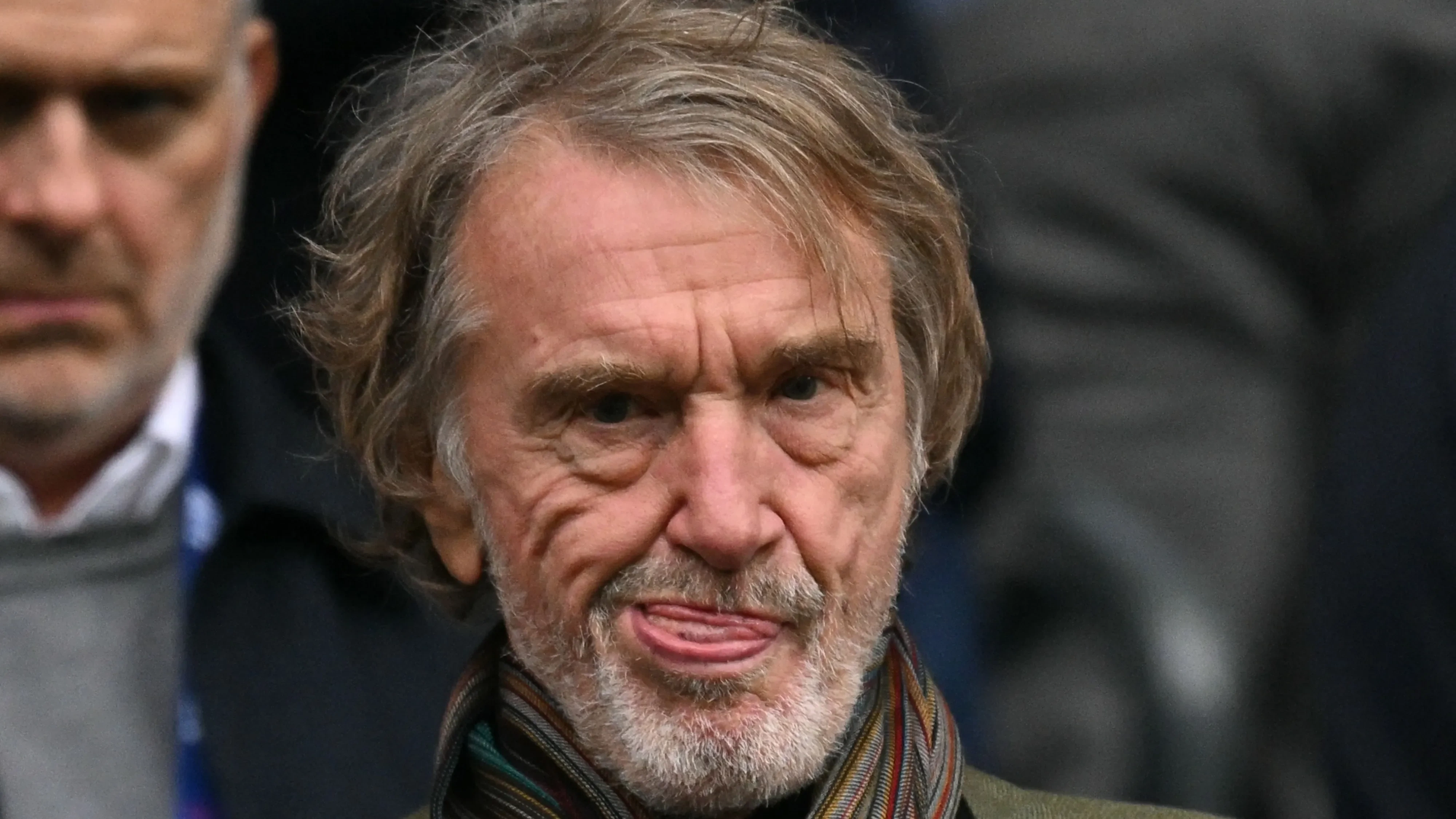
Manchester United co-owner Sir Jim Ratcliffe has seen his security significantly increased during matchdays at Old Trafford. The INEOS chief, who previously enjoyed a more relaxed relationship with the match-going faithful, is now being closely guarded amid rising tensions within the fanbase. This shift in protocol represents a dramatic change from the early days of Ratcliffe's ownership when he was frequently seen mingling with supporters.
The days of Ratcliffe strolling leisurely through the concourses of Old Trafford appear to be over. While the billionaire is still driven to his preferred entrance near the Stretford End by his regular car service, the atmosphere surrounding his arrival has shifted from casual to cautiously controlled. Where he once stopped to engage with early arrivals, he is now surrounded by a strict security presence that manages his movement through the stadium.
According to The Sun, recent sightings of the INEOS chairman at the Theatre of Dreams have highlighted a much more stringent operation. Ratcliffe is now escorted through the tunnel and along the Sir Bobby Charlton Stand only after a lead security minder has given the green light. This change marks a significant departure from just two years ago, when the lifelong United fan was frequently seen posing for selfies with supporters and engaging in friendly conversations about the team's fortunes.
The heightened security measures reflect growing concerns about potential confrontations between Ratcliffe and disgruntled supporters. The co-owner's increasing visibility at matches has coincided with mounting frustration over various club policies, particularly those related to ticketing and pricing. Security staff have been instructed to maintain a buffer zone around Ratcliffe at all times, effectively ending the informal access that previously existed between the owner and the fanbase.
One of the primary reasons for the heightened security is the physical location of Ratcliffe's entrance. The area he uses to access his seat is situated immediately adjacent to rows occupied by long-term season-ticket holders, many of whom are currently frustrated with the direction of the club's ticketing policies under the new regime. These specific fans are due to be displaced next season to make way for an expansion of hospitality seating, creating a particularly volatile situation.
The decision to prioritise corporate revenue over traditional season-ticket holders has created a flashpoint at Old Trafford. The club's security staff are clearly keen to avoid any direct confrontations between the co-owner and the supporters directly affected by these changes. The proximity of Ratcliffe's entrance to the most affected supporters means that even casual interactions could quickly escalate into heated exchanges about the club's direction.
Beyond the ticketing controversy, the hierarchy at Manchester United is well aware of the potential for verbal altercations stemming from other sources of discontent. Ratcliffe previously faced significant "grief" from supporters during a trip to Fulham last season, where fans made their feelings known regarding the hiking of ticket prices across the board. The fear is that a similar "earful" would be inevitable at Old Trafford if he remained as accessible as he was during the initial stages of his takeover.
The INEOS group has been tasked with streamlining the club's finances, but their aggressive approach to revenue generation has not sat well with those who attend matches every week. The cost-of-living crisis has made many supporters particularly sensitive to price increases, and the perception that the club is prioritising profit over fan experience has created a toxic atmosphere. With tensions simmering, the decision has been made to shield Ratcliffe from the more militant sections of the fanbase who feel the soul of the club is being traded for profit.
Personal comments made by Ratcliffe have also contributed to the frosty atmosphere surrounding his matchday appearances. His inflammatory remarks regarding immigration sparked a backlash among the United faithful, leading to visible protests inside the stadium. During recent fixtures, some supporters have even unfurled banners in support of the club's "immigrant" players as a direct response to his rhetoric, creating an uncomfortable environment for the co-owner.
Chants directed at the co-owner have also become more frequent and pointed in nature. What was once a warm welcome for a fellow supporter who had realized his dream of owning the club he supported has transformed into a hostile reception. The security measures now in place effectively create a barrier between Ratcliffe and the very supporters whose passion and loyalty have been central to Manchester United's global appeal for generations.
The transformation of Ratcliffe's matchday experience reflects broader tensions within modern football between commercial interests and traditional supporter culture. Manchester United, as one of the world's most valuable sports franchises, faces constant pressure to maximise revenue, but this often comes at the expense of the match-going supporter who has been the backbone of the club's success. The security measures around Ratcliffe symbolise this growing divide between ownership and the fanbase.
Historically, Manchester United has prided itself on the unique relationship between the club and its supporters. The Stretford End has long been considered the heartbeat of Old Trafford, with generations of families passing down season tickets as treasured heirlooms. The current regime's willingness to disrupt this tradition in pursuit of additional revenue has created a sense of betrayal among many long-term supporters who feel their loyalty is being exploited rather than rewarded.
The situation at Old Trafford mirrors similar tensions at other major clubs where new ownership has prioritised commercial interests. However, the particular circumstances at Manchester United - with a co-owner who is also a lifelong fan - make the disconnect particularly poignant. Ratcliffe's initial popularity upon taking control of the club has been eroded by a series of decisions that many supporters view as contrary to the values and traditions of the institution he claimed to love.
The security measures around Ratcliffe also raise questions about the future relationship between ownership and supporters at Manchester United. If the co-owner requires such extensive protection simply to attend matches, it suggests a fundamental breakdown in the connection between the club's leadership and its most passionate advocates. This separation could have long-term implications for the club's culture and identity, potentially creating an atmosphere of mutual distrust that extends beyond individual policy disagreements.
The timing of these security measures is particularly significant given Manchester United's on-field struggles. The team's inconsistent performances have already created frustration among supporters, and the perception that ownership is more interested in profit than sporting success has amplified this discontent. The security presence around Ratcliffe serves as a visible reminder of these tensions every time he attends a match, potentially creating an atmosphere of conflict that extends beyond the pitch.
Looking ahead, the situation raises important questions about the sustainability of the current business model at Manchester United. While commercial revenue has been crucial to the club's financial success, the alienation of the match-going supporter base could have long-term consequences for the club's global brand. The passion and atmosphere created by the fans at Old Trafford has been a key selling point for the club's commercial partners, and damaging this relationship could ultimately prove counterproductive to the revenue-generating goals that prompted these controversial decisions.
The contrast between Ratcliffe's current security situation and his earlier, more relaxed appearances at Old Trafford illustrates how quickly the relationship between ownership and supporters can deteriorate. What began as a promising partnership between a fan who had achieved his dream and the supporters who shared that dream has evolved into a situation requiring professional security intervention. This transformation serves as a cautionary tale about the challenges of balancing commercial imperatives with the traditions and expectations of a historic football institution.