Kimmich Calls for Rule Change After Handball in PSG Loss
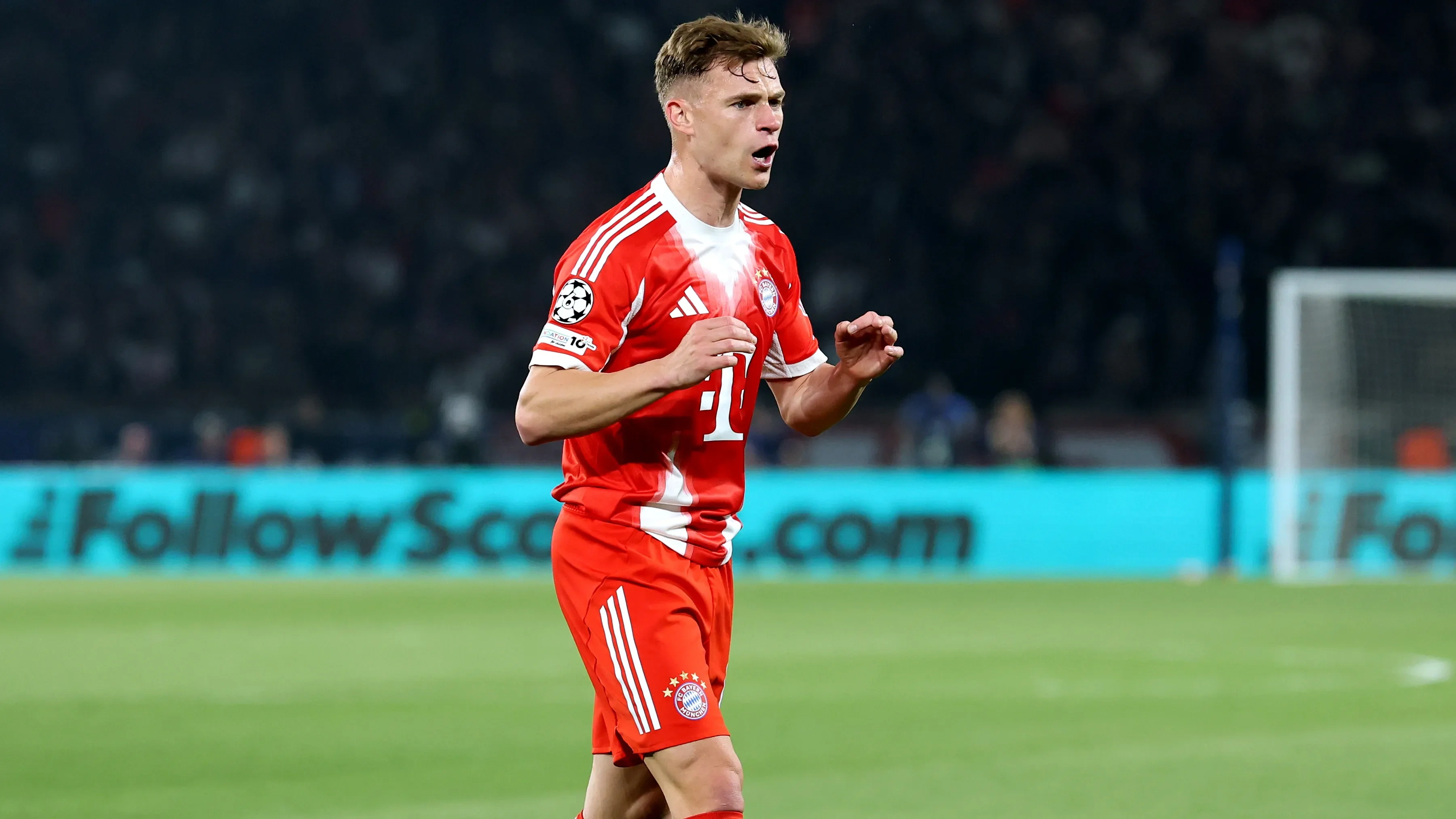
Joshua Kimmich voiced strong criticism of a hand‑ball decision that helped Paris Saint‑Germain secure a 5‑4 win over Bayern Munich in the Champions League semi‑final first leg.
The German international described the ruling as “not in the spirit of the game” during his post‑match interview with Prime.
The controversy erupted just before halftime when a cross from Ousmane Dembélé struck Bayern left‑back Alphonso Davies on the hip before rebounding onto his hand.
Video assistant referee Carlos del Cerro Grande reviewed the incident and referee Marco Schärer awarded a penalty, which Dembélé converted to make the score 3‑2.
Referee specialist Lutz Wagner supported the decision, stating that the extended left arm increased the defensive surface area and warranted a penalty.
Kimmich disputed this interpretation, emphasizing that there was no opponent positioned to capitalize on the hand ball and suggesting a rule tweak.
He argued that accidental hand contacts inside the box should not automatically result in a penalty, proposing a less severe sanction.
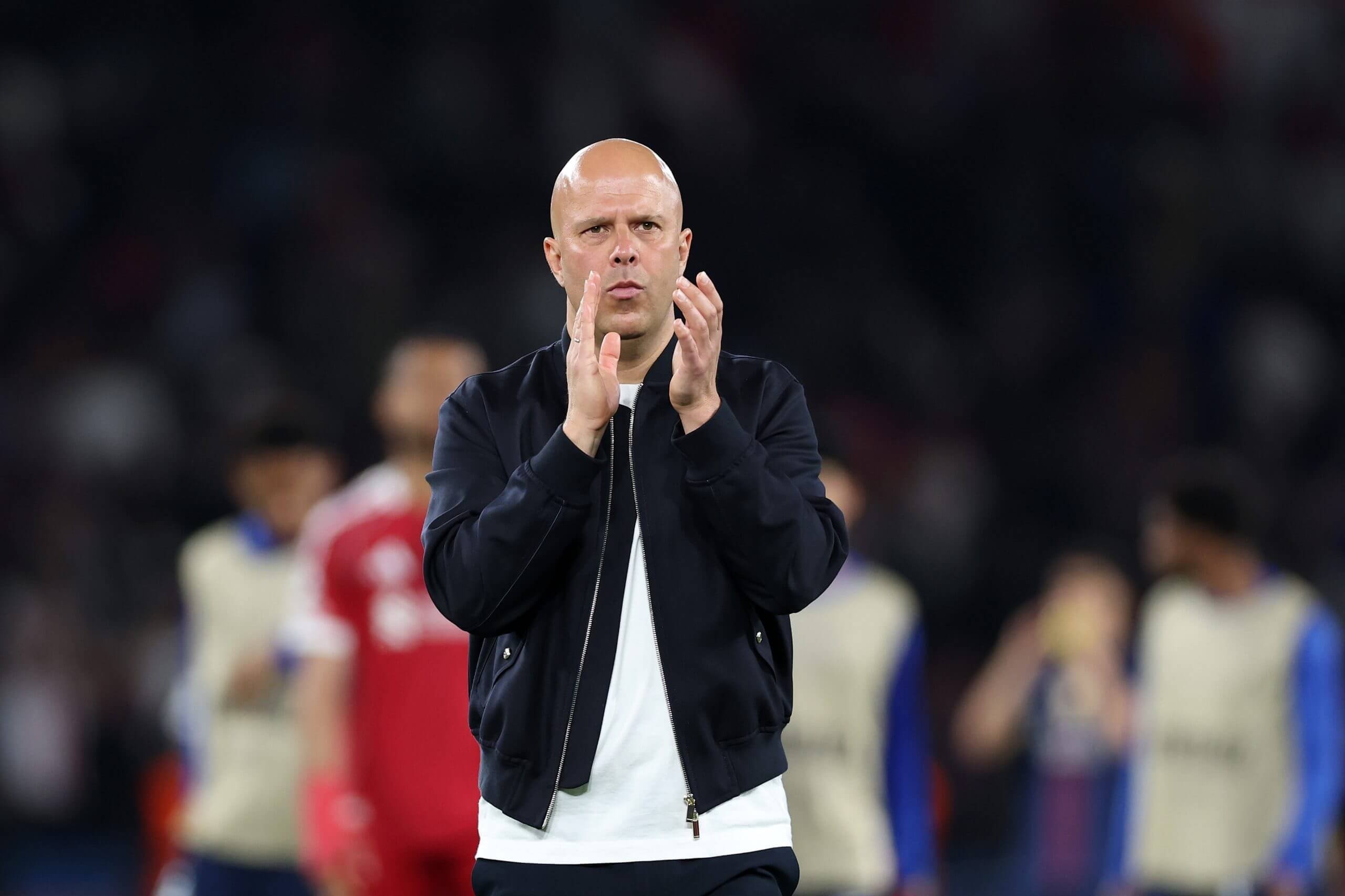
Bayern Munich manager Vincent Kompany labeled the call “highly debatable,” echoing concerns about the consistency of hand‑ball enforcement.
Sporting director Max Eberl added that the ball struck the body before the hand, questioning the necessity of the penalty.
Former internationals and Prime analysts Christoph Kramer and Mats Hummels also criticised the decision, highlighting the impact of slow‑motion replays.
Kramer called the slow‑motion analysis “the worst thing in football,” arguing it exaggerates incidents.
Hummels noted that the hand appeared to flail after the shot, creating a misleading impression of intent.
The match itself set a Champions League record for the highest‑scoring semi‑final first half, with nine goals before the break.
PSG entered the second half leading 3‑2, having already displayed an aggressive attacking approach.
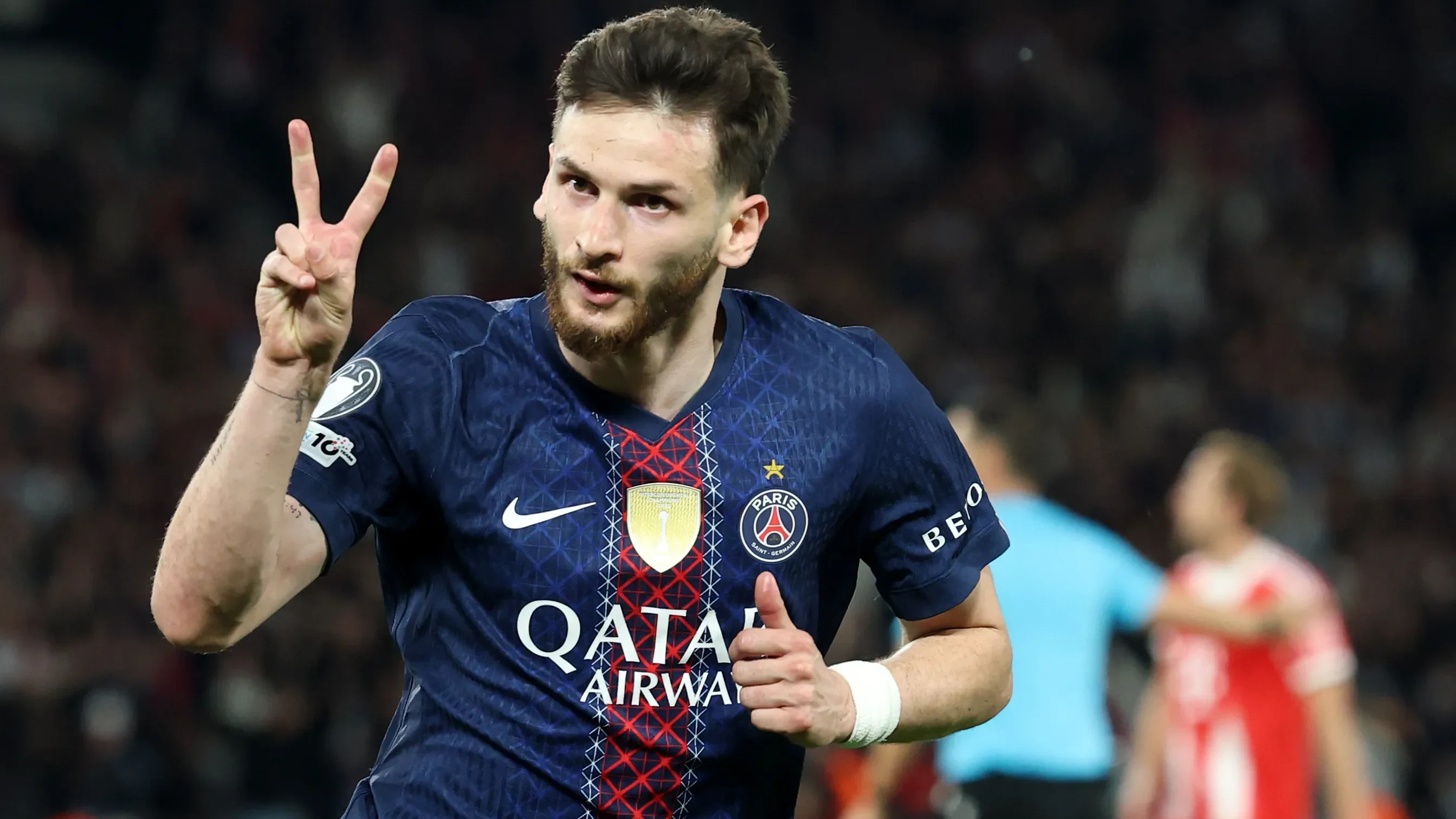
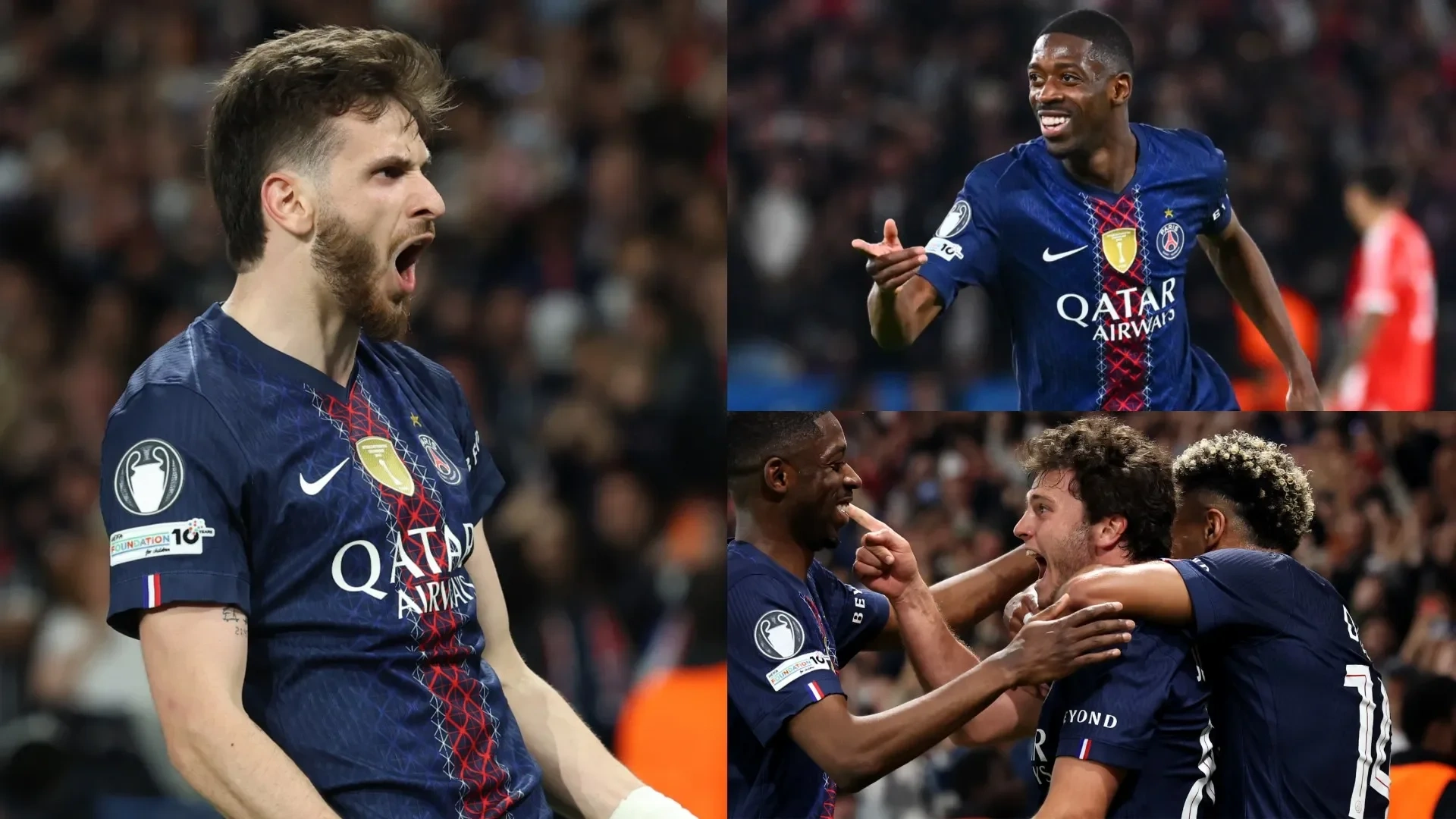
Within two minutes of the restart, Khvicha Kvaratskhelia and Ousmane Dembélé added quick goals to push the lead to 5‑2.
Kimmich described the sudden shift as “what on earth is going on,” reflecting the shock felt by the Bayern players.
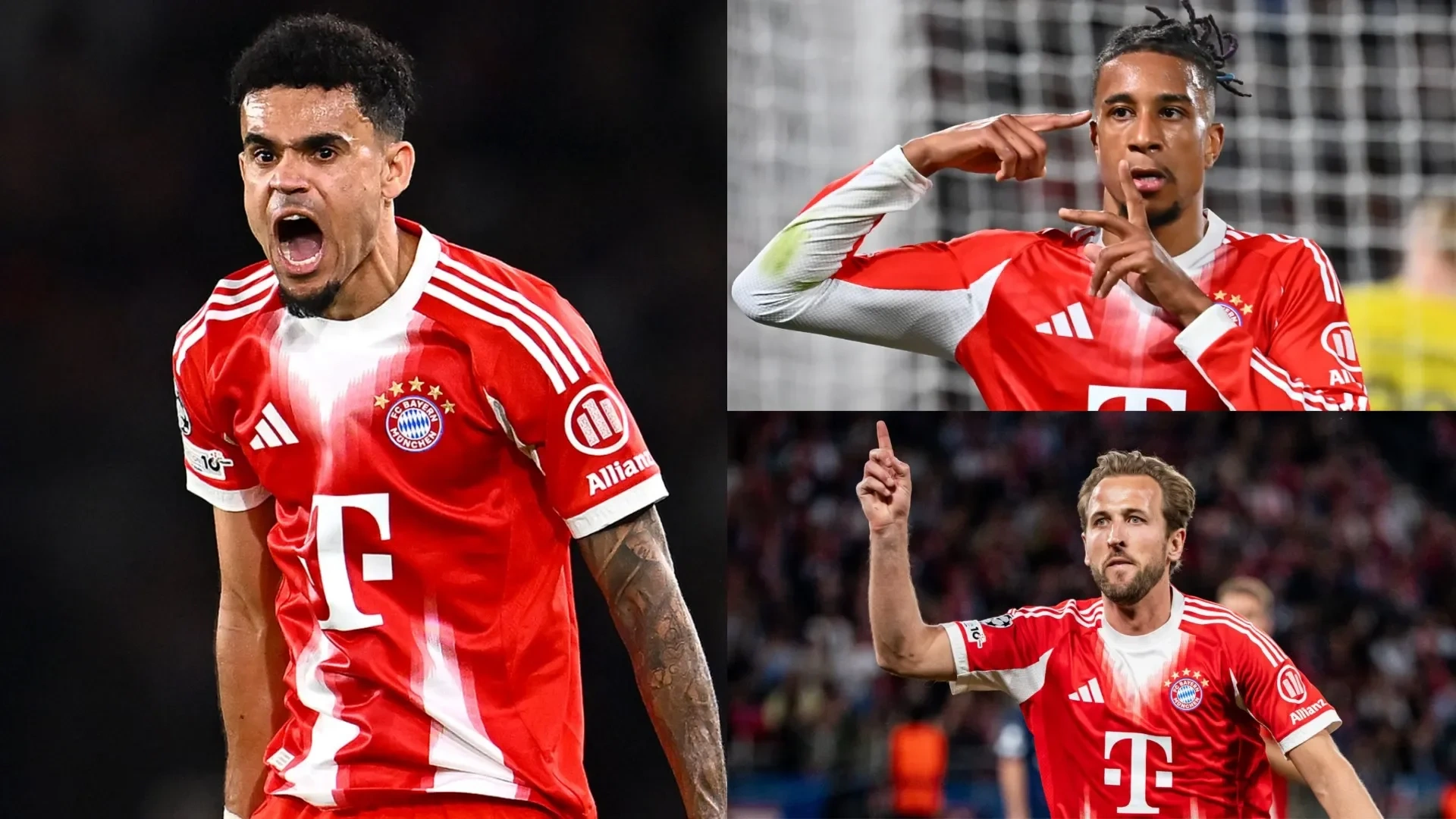
Bayern responded with a header from Dayot Upamecano in the 65th minute, reducing the deficit to 3‑5.
Luis Díaz then scored in the 68th minute, bringing the score to 4‑5 and keeping the tie alive for the return leg.
Kimmich highlighted the need for composure, noting the dilemma between taking risks and protecting the team from further damage.
The German side showed resilience, battling back from a three‑goal deficit to finish only one goal behind.
He praised his teammates for maintaining belief despite the rapid succession of PSG goals.
Strategically, Bayern shifted to a higher defensive line after the 5‑2 scoreline, aiming to compress space and force turnovers.
PSG, meanwhile, continued with a high‑pressing formation, exploiting the wings through Kvaratskhelia’s pace.
Statistically, Bayern recorded 18 shots on target compared to PSG’s 22, illustrating the open nature of the encounter.
| Team | Shots on Target | Possession % |
|---|---|---|
| Bayern Munich | 18 | 48 |
| Paris Saint‑Germain | 22 | 52 |
Both sides combined for 9 goals before halftime, a record for any Champions League semi‑final first half.
The match featured a total of 9 corners for Bayern and 11 for PSG, indicating the attacking intent of both teams.
Alphonso Davies, despite the hand‑ball controversy, contributed defensively with two successful tackles and three interceptions.
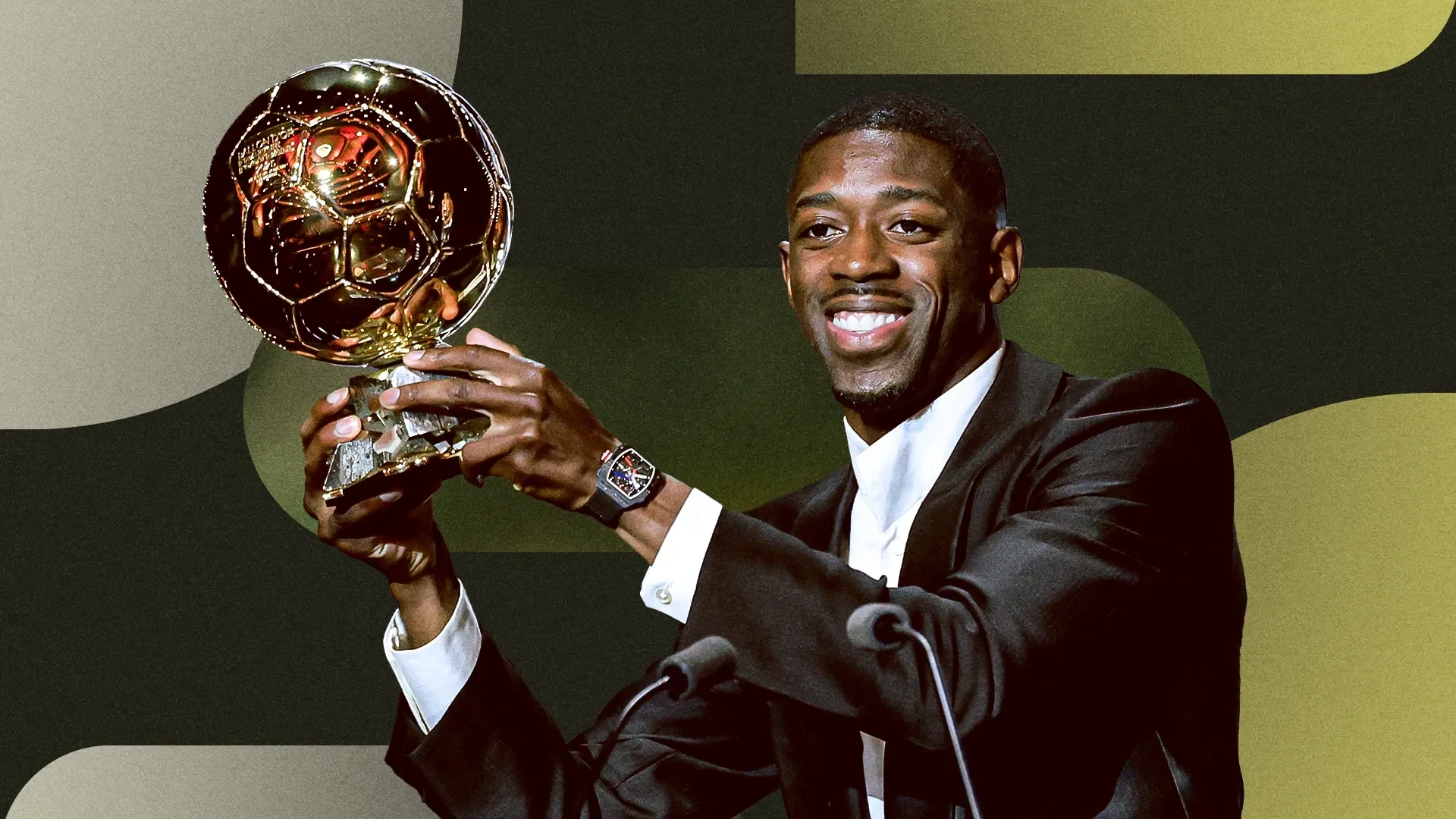
Ousmane Dembélé finished as the joint top scorer of the night, netting two goals and providing an assist.
Kimmich, playing as a defensive midfielder, completed 95% of his passes, showcasing his influence in Bayern’s build‑up play.
PSG’s goalkeeper Gianluigi Donnarumma made five crucial saves, keeping his side ahead during periods of Bayern pressure.
Vincent Kompany’s tactical adjustments included deploying Thomas Müller as a false nine to destabilise PSG’s defence.
Max Eberl emphasized the importance of the upcoming home leg at the Allianz Arena, where Bayern will aim to overturn the deficit.
The second leg is scheduled for 6 May, with Bayern needing at least a two‑goal victory to progress, assuming no further goals are conceded.
If Bayern advance, they will face either Arsenal or Atlético Madrid in the final set for late May in Budapest.
Arsenal and Atlético are slated to meet in their own semi‑final, creating a potential all‑German final should Bayern prevail.
Historically, Bayern has reached the Champions League final ten times, winning six titles, underscoring their pedigree.
PSG, in contrast, is seeking its first European trophy despite a squad brimming with world‑class talent.
The hand‑ball rule, introduced in 2019, stipulates that any deliberate hand contact that changes the ball’s direction warrants a penalty.
Kimmich’s call for a rule amendment reflects ongoing debates about the balance between fairness and the spirit of the game.
Referee Lutz Wagner’s endorsement of the penalty highlights the current interpretation that any increase in surface area is punishable.
Critics argue that the rule’s ambiguity leads to inconsistent application across competitions.
Veezstream’s coverage of the incident notes that similar controversies have arisen in previous Champions League knockout stages.
In the 2022‑23 season, a comparable hand‑ball decision in the quarter‑finals sparked a UEFA review of the rule’s wording.
UEFA has since issued guidelines clarifying the intent factor, but the definition remains subject to interpretation.
Kimmich’s suggestion of a graduated sanction could involve a caution or indirect free‑kick for accidental hand contacts.
Such a change would align with the principle that penalties should be reserved for clear infractions that disadvantage the defending team.
Both clubs will likely submit formal feedback to UEFA’s Referees Committee ahead of the next meeting.
The committee’s upcoming deliberations could shape the hand‑ball law for the 2026‑27 season.
Meanwhile, Bayern’s next Bundesliga fixture against 1. FC Heidenheim on 2 May offers a chance to restore confidence.
Heidenheim, currently mid‑table, will present a different tactical challenge compared to PSG’s high‑pressing style.
Bayern’s squad rotation will be crucial, balancing player fatigue with the need to maintain form across competitions.
Injury updates indicate that midfielder Leon Goretzka remains doubtful for the Paris match, potentially affecting Bayern’s midfield depth.
PSG will enter the second leg with a relatively fit squad, though the demanding schedule may test their stamina.
Both teams have expressed confidence in their tactical preparations, emphasizing the significance of set‑piece execution.
The semi‑final series promises to be a defining moment in the 2025‑26 Champions League narrative.
Fans worldwide will watch closely as Kimmich and his teammates seek redemption in front of a home crowd.
The outcome will not only determine the finalists but also influence future discussions on rule modifications within football’s governing bodies.