Phil Garner, a feisty baseball lifer with an endearing soft side, dies at 76
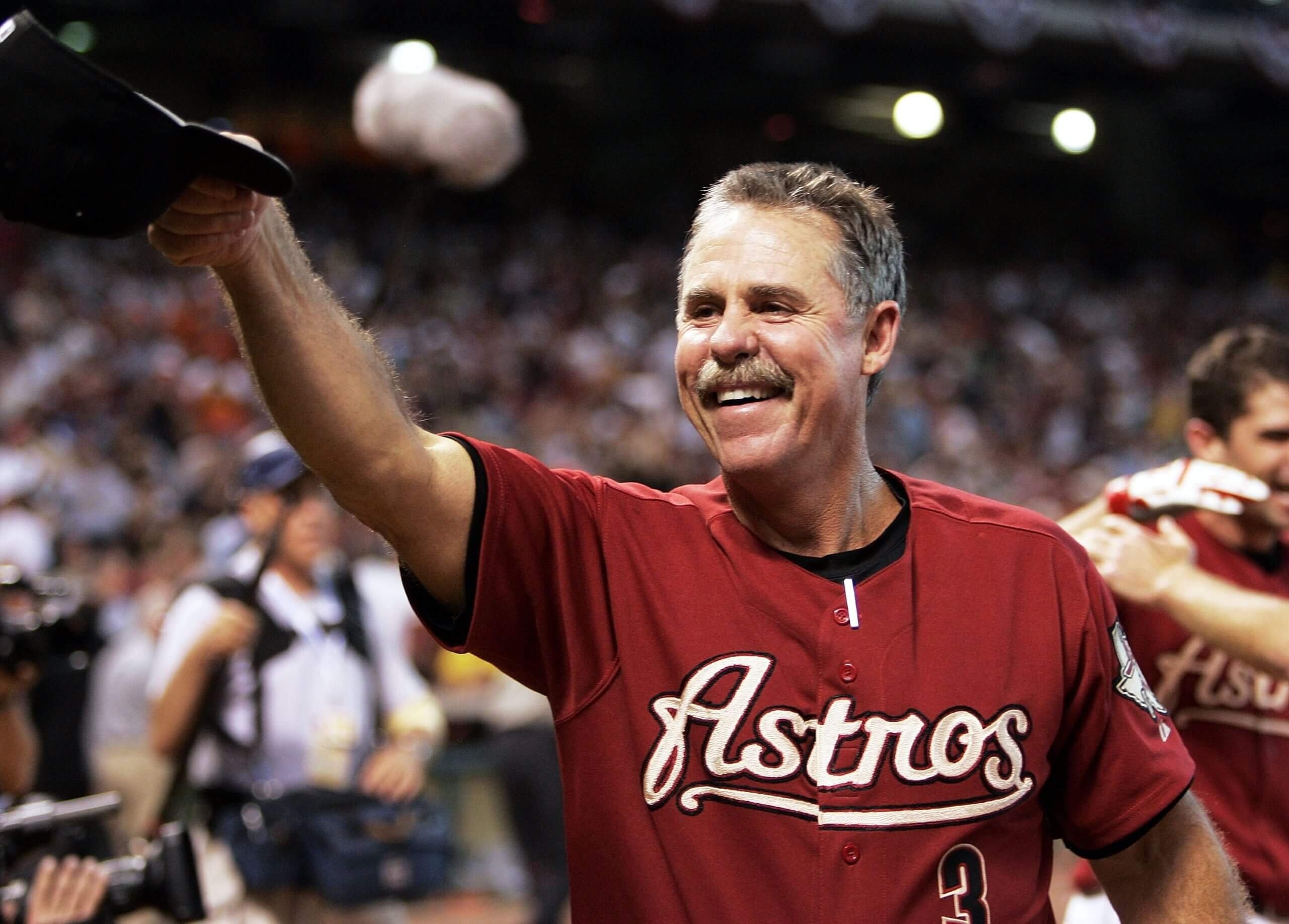
Phil Garner, a lifelong baseball figure known for his fiery temperament and gentle heart, died at the age of 76 on Saturday night in The Woodlands, Texas, after a battle with pancreatic cancer.
Garner’s son, Ty, confirmed the cause of death in a statement released by the Pittsburgh Pirates, noting that his father “never lost his signature spark of life … or his love for baseball, which was with him until the end.”
Garner’s final day as a player arrived in 1988, but his involvement in the game continued for decades as a manager, advisor, and mentor, influencing multiple franchises and generations of players.
His managerial résumé includes tenures with the Milwaukee Brewers, Detroit Tigers, and Houston Astros, the latter culminating in the franchise’s first World Series appearance in 2005.
As a player, Garner contributed to the 1979 Pittsburgh Pirates’ World Series victory, posting a remarkable .500 batting average (12‑for‑24) in the seven‑game series—a record for hits by a player on the winning side.
Over a 16‑season career, he compiled 1,594 hits, a .260 batting average, three All‑Star selections, and three seasons with at least 30 stolen bases while wearing his trademark Yosemite Sam mustache.
Garner’s nickname, “Scrap Iron,” reflected his gritty style of play, yet those who knew him described a softer side that emerged in the clubhouse and at home.
Astros broadcaster Steve Sparks recalled Garner’s “fiery temper and intense competitiveness,” but also remembered moments when his wife Carol wheeled a Harley‑Davidson into the clubhouse for his birthday, prompting Garner to shift from a fierce coach to a light‑hearted personality in an instant.
Garner and Carol met on a blind date while both attended the University of Tennessee; they married in 1971 and remained together for 55 years, raising three children and six grandchildren.
Carol attended nearly every game of her husband’s career, missing only his first grand slam in 1978, a disappointment that motivated Garner to hit another grand slam the following day, making him the first National Leaguer in 77 years to hit grand slams in consecutive games.
After a September 1973 call‑up with the Oakland Athletics, Garner’s breakout came when the Pittsburgh Pirates traded six players—Tony Armas, Doug Bair, Dave Giusti, Rick Langford, Doc Medich, and Mitchell Page—to acquire him following manager Chuck Tanner’s request.
The trade shocked Pirates star Dave Parker, who famously exclaimed “Six brothers?!” upon hearing the news, a moment Garner later recounted as the beginning of a spirited rivalry that helped unite the clubhouse.
Garner’s 1979 season with Pittsburgh was his most productive, posting a .293 batting average, an .800 OPS, and shifting from third base to second base after a mid‑season trade for Bill Madlock.
His camaraderie with Parker and other teammates created a “rowdy, cocky” environment, as described by closer Kent Tekulve, who noted that no player was safe from Garner’s sharp wit and that the dynamic helped the team thrive.
Garner’s intuition for player personalities translated into his managerial approach, a quality recognized by Tekulve, who said Garner could “sense how each player needed to be handled to maximize his talent.”
Appointed manager of the Milwaukee Brewers in October 1991, Garner guided the club to 92 victories, the most in a decade, before a post‑Molitor decline led to his dismissal in 1999.
He then took the helm of the Detroit Tigers in 2000, improving the team by ten games, but contractual disputes with outfielder Juan González and pitching struggles resulted in his firing early in the 2002 season.
Pitcher C.J. Nitkowski, who publicly criticized Garner in 2001, later praised the manager’s professionalism and forgiveness after Garner accepted his apology and later attempted to acquire him while managing the Astros.
Garner’s most celebrated managerial achievement arrived with the Houston Astros, where he took a .500 team at the All‑Star break in 2004 and led them to a 48‑26 finish, an NLCS berth, and the 2005 World Series.
He remained with Houston through August 2007, after which he served as a special adviser to the Oakland Athletics, where he had previously hired future manager Bob Melvin as bench coach.
Melvin, who recalled a final 1988 game in which Garner pinch‑hit for him, drew a seven‑pitch walk and was subsequently caught stealing, described Garner as “scrappy to the end” and credited him with shaping his managerial philosophy.
| Career Category | Value | Notes |
|---|---|---|
| Games Played | 2,081 | 16 seasons (1973‑1988) |
| Hits | 1,594 | .260 batting average |
| World Series Hits (1979) | 12 | .500 average, series record |
| All‑Star Selections | 3 | 1977, 1978, 1979 |
| Stolen Bases (Season High) | 30 | Three seasons |
| Managerial Wins (Brewers) | 92 | 1992 season |
| Managerial Wins (Astros 2005) | 89 | Regular season |
Garner’s legacy extends beyond statistics; former teammates and players consistently highlighted his ability to blend intensity with humor, creating a clubhouse atmosphere that demanded accountability while allowing moments of levity.
The impact of his mentorship is evident in the careers of individuals such as Bob Melvin, who attributes his managerial values and confidence to Garner’s guidance during their time together in Milwaukee and Detroit.
Garner’s death marks the loss of a figure who embodied baseball’s paradoxical nature—a hard‑nosed competitor who could also be the source of laughter, a player who transitioned seamlessly into leadership roles, and a husband who celebrated milestones with a Harley‑Davidson ride.
Baseball communities across the nation, from Pittsburgh to Houston, have paid tribute, emphasizing his contributions to championship teams, his pioneering World Series performance, and the personal connections he forged throughout a five‑decade involvement in the sport.