Michigan Spring Football Game: 10 Key Players to Watch Including Savion Hiter, Tommy Carr, Troy Bowles, and More
Saturday’s Michigan spring scrimmage will be the first public glimpse of Kyle Whittingham’s Wolverines, offering a rare look at the team’s “twos and threes” rather than the established starters.
Whittingham explained that up to 18 projected starters could sit out the scrimmage, creating a platform for backups to demonstrate their abilities in a game‑like environment.
“We’re not going to put a guy in there that we know what he can do and he’s where he needs to be and he’s played hundreds of snaps here,” the head coach said, emphasizing the developmental focus of the event.
The decision to rest veterans aligns with Michigan’s broader strategy of depth building, a philosophy that has propelled the program to consistent top‑ten finishes in the Big Ten over the past five seasons.
While the absence of many starters may surprise casual fans, it magnifies competition for depth‑chart spots that remain unsettled after a year of coaching turnover on both sides of the ball.
Below is a concise statistical snapshot of the ten players highlighted for the spring game, showing class, position and recruiting rank where applicable.
| Player | Position | Recruit Rank / Class |
|---|---|---|
| Savion Hiter | Running Back | #12 Rivals Class of 2026 |
| Tommy Carr | Quarterback | Freshman (Flipped from Miami (OH)) |
| Troy Bowles | Linebacker | Junior (Son of Todd Bowles) |
| Salesi Moa | Wide Receiver | Freshman (Flipped from Utah) |
| Eli Owens | TE/H‑back | Junior |
| Shamari Earls | Cornerback | Sophomore (Top‑100 Class of 2025) |
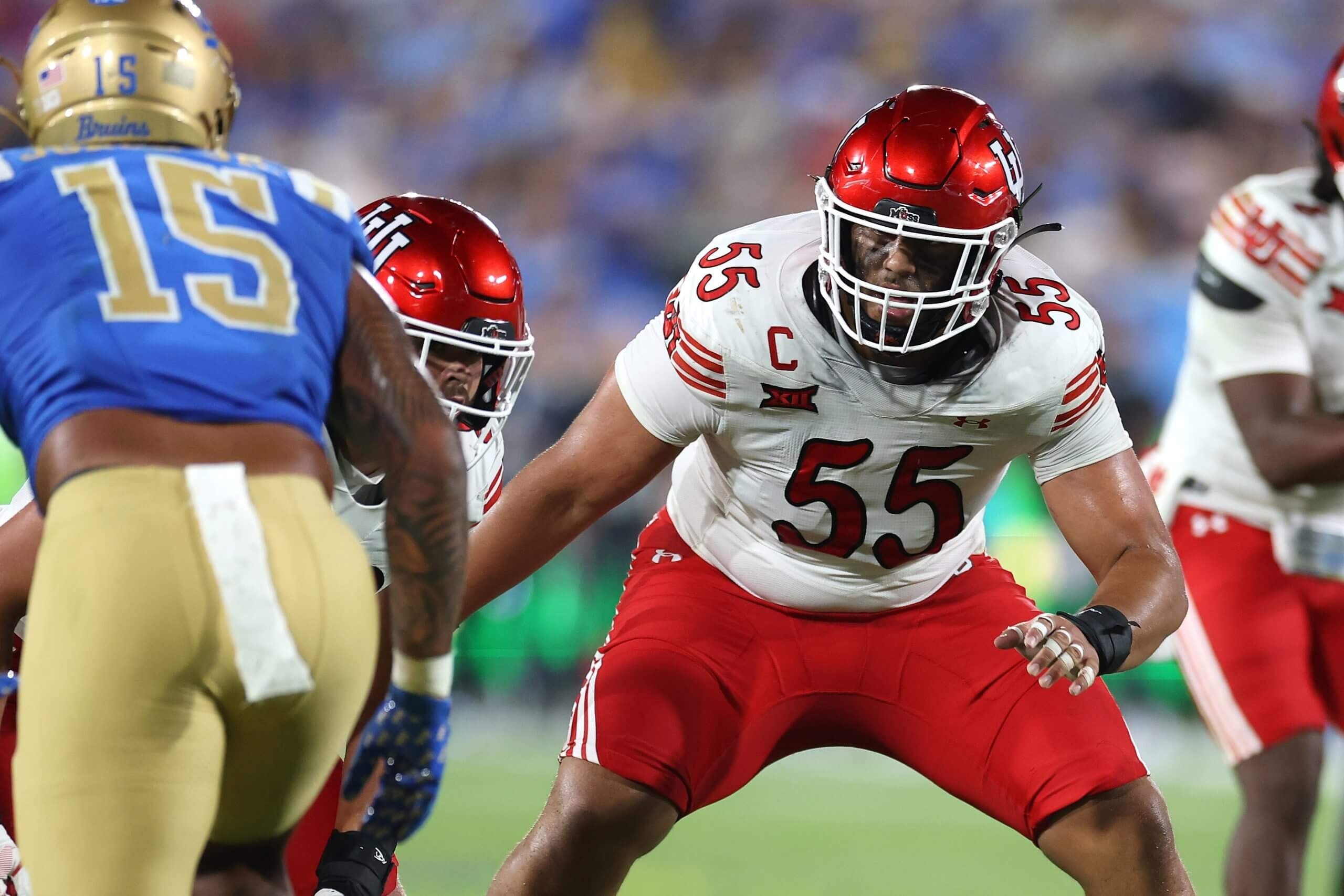
| Ace Hamilton | Offensive Lineman | Freshman (3‑star, flipped from VT) |
| Deyvid Palepale | Defensive Tackle | Junior |
| Nate Marshall | Defensive End | Junior |
| Bryce Underwood | Quarterback | Junior (Starter) |
Running back Savion Hiter arrived on campus as an early enrollee and quickly earned a reputation as a high‑impact freshman, ranking twelfth nationally among the Class of 2026.
Offensive coordinator Jason Beck praised Hiter’s “hard‑nosed” approach, noting that the sophomore’s film shows “a lot of talent, a lot of ability” coupled with relentless competition.
Jordan Marshall, the incumbent starter who logged four straight 100‑yard games before a shoulder injury, now sits behind Hiter, creating a potential two‑back rotation if the freshman continues to excel.
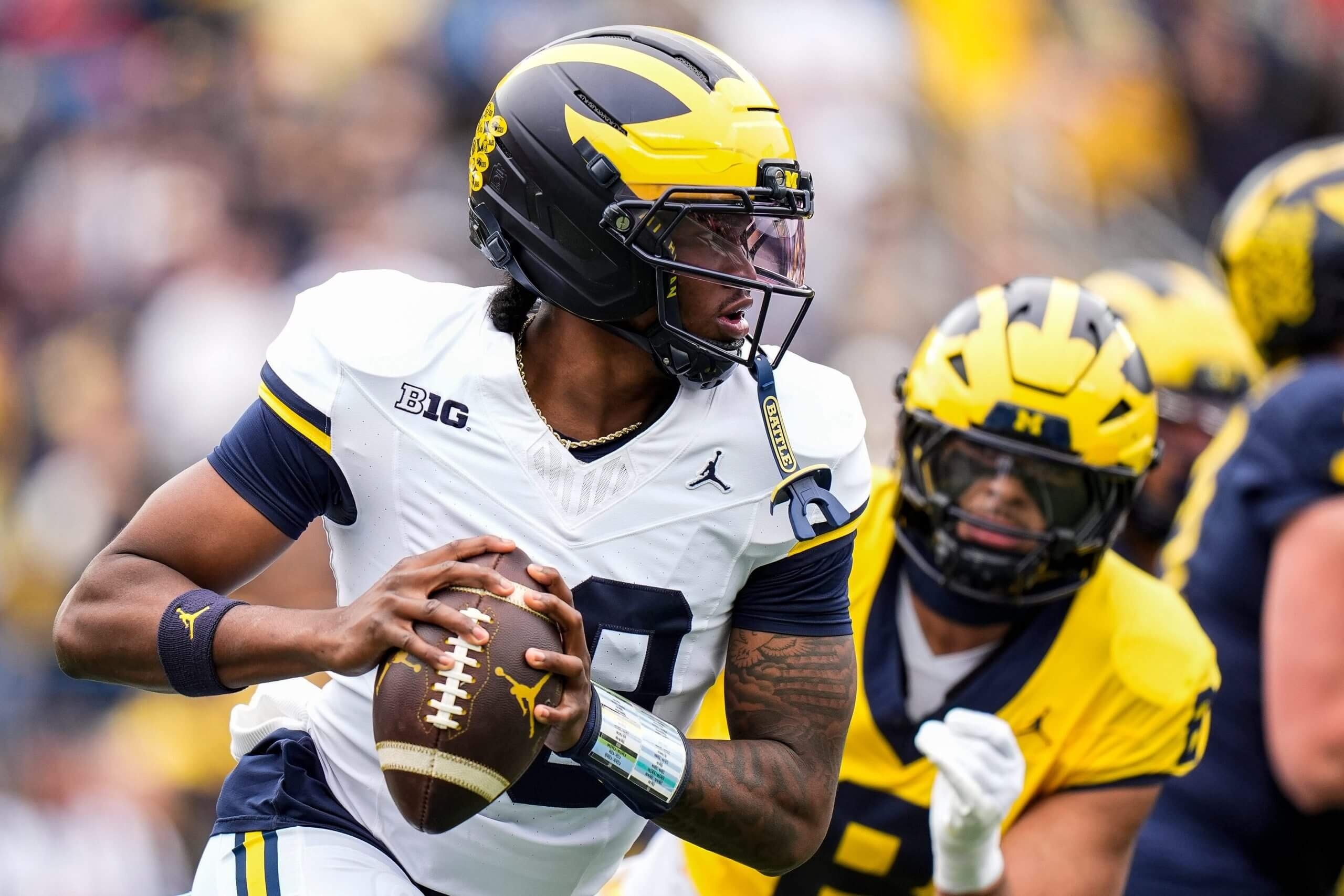
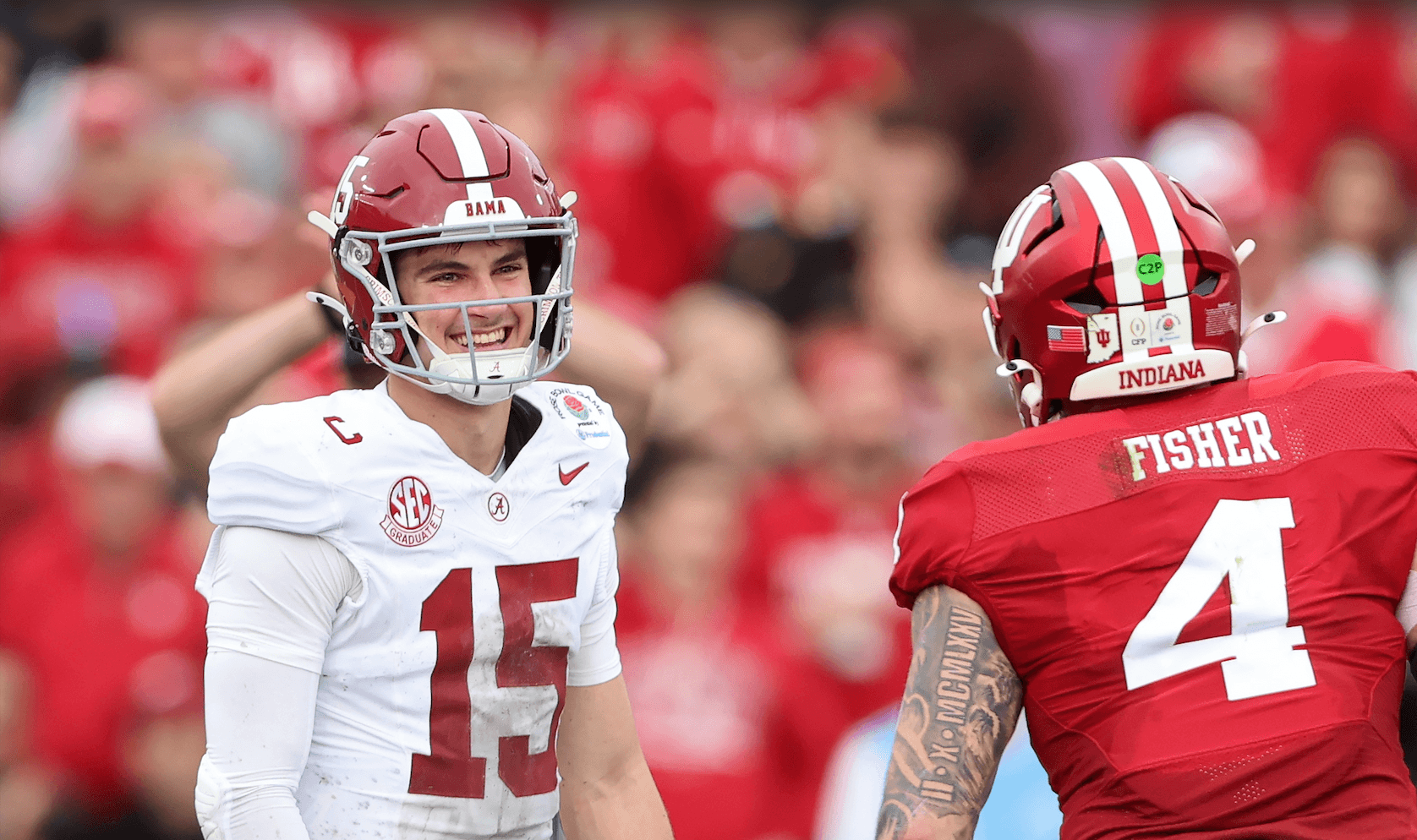
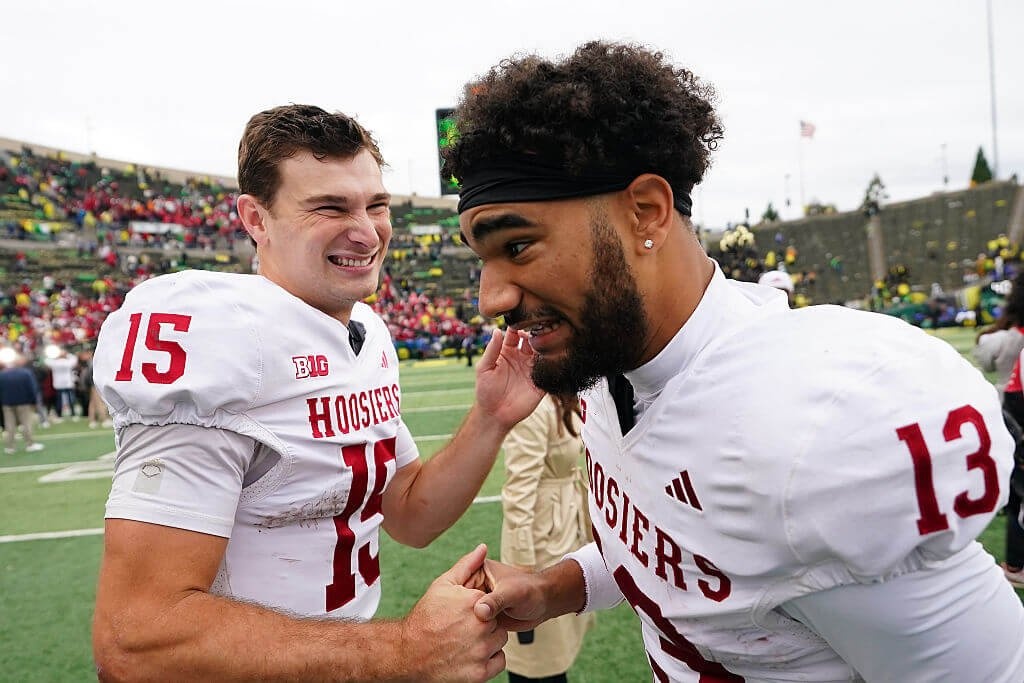
Quarterback depth remains thin, and the spring game offers a stage for Tommy Carr, a late‑added Saline, Michigan native who flipped from Miami (OH) after the 2024 recruiting cycle.
Whittingham called Carr “a pleasant surprise,” highlighting his rapid progression and positioning him as the current No. 2 quarterback behind starter Bryce Underwood.
Coaches have even involved Carr’s grandfather, former Michigan legend Lloyd Carr, in mentorship sessions, underscoring the program’s commitment to his development.
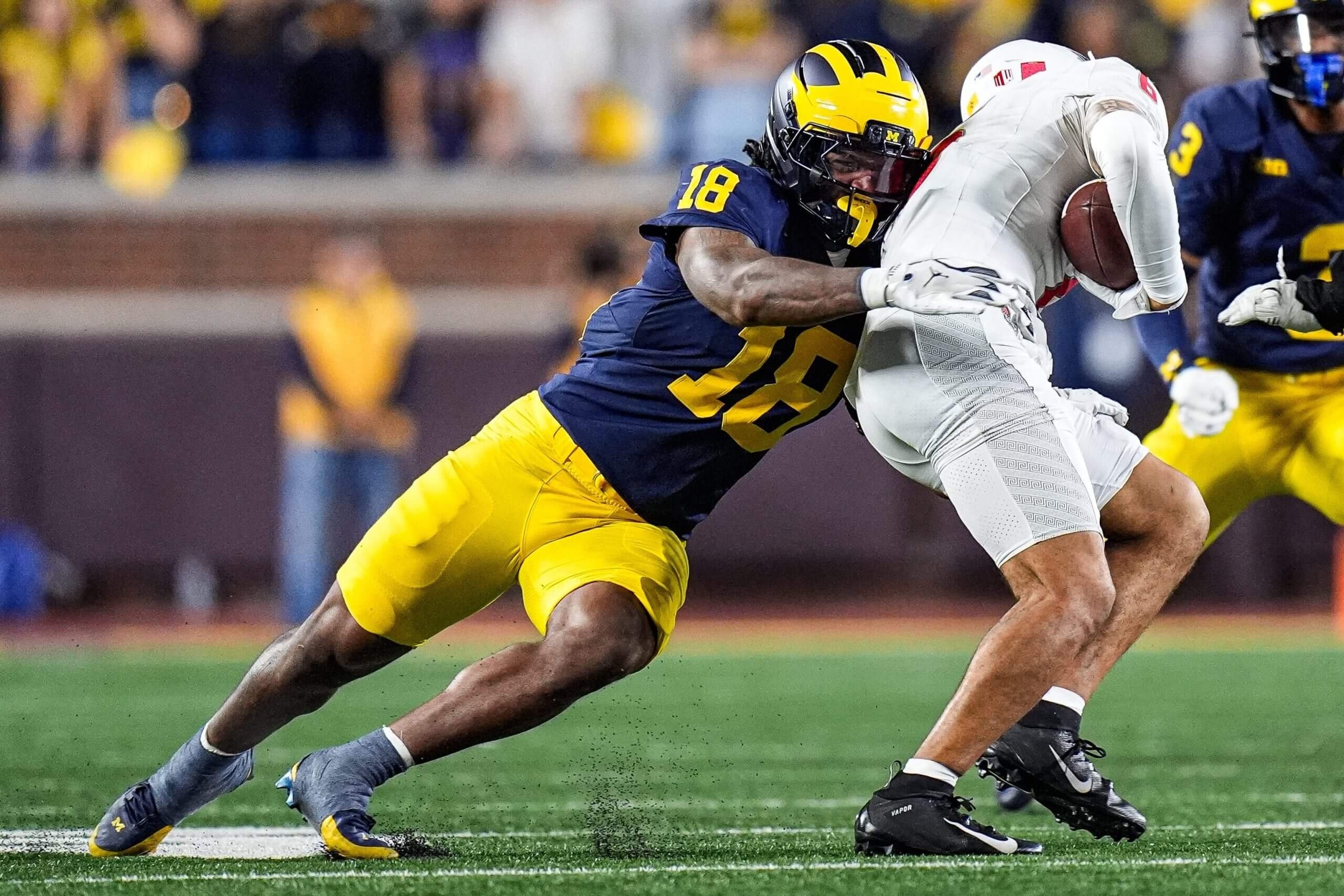
Linebacker Troy Bowles stands as the most experienced returning defender after the departure of the top three linebackers from the previous season.
Bowles, the son of NFL coach Todd Bowles, has navigated three different defensive coordinators in three years, absorbing concepts from Georgia’s Glenn Schumann, Wink Martindale, and now Jay Hill.
He believes the varied coaching exposure has broadened his football IQ, allowing him to synthesize “everything I’ve learned” into Michigan’s evolving defensive scheme.
Freshman wide receiver Salesi Moa is emerging as a potential answer to Michigan’s limited returning receiver corps beyond senior Andrew Marsh.
Cornerback Jyaire Hill compared Moa’s physicality to former Wolverine Roman Wilson, noting that Moa has already been a “handful” for opposing defensive backs in practice.
Head coach Whittingham confirmed Moa’s progress, stating the freshman has “really made strides” in adapting to the Big Ten’s physical demands.
Tight end and H‑back Eli Owens is another player whose role could be clarified during the scrimmage, as Michigan experiments with various blocking and receiving packages.
Max Bredeson’s deployment as a blocking fullback suggests that if Owens appears in a lead‑block role, offensive coordinator Jason Beck may be signaling a renewed emphasis on H‑back versatility.
Conversely, a reduced fullback presence could shift Owens toward a more traditional inline blocker or pass‑catching tight end, a flexibility that could increase his snap count.
Defensive back Shamari Earls, a second‑year top‑100 prospect from the Class of 2025, seeks to solidify a backup corner role after an inconsistent freshman season.
Earls aims to move ahead of established players such as Jyaire Hill, Zeke Berry and transfer Smith Snowden, and a strong spring performance could earn him that promotion.
Offensive line priority remains health, and the spring game offers a glimpse at future contributors like Ace Hamilton, a late addition to the 2026 class who flipped from Virginia Tech.
Despite a three‑star rating and a ranking outside the top 500, Hamilton has already displayed the technique and athleticism that could translate into guard or center duties in the near future.
Defensive tackle Deyvid Palepale, standing 6‑2 and weighing 335 pounds, fits the prototype of a run‑stuffing nose tackle, a position in which Michigan has limited depth.
Teammates have identified Palepale as a potential breakout candidate, and the spring game could be his first opportunity to demonstrate readiness for meaningful snaps.
Defensive end Nate Marshall, a young pass‑rusher with a high ceiling, logged 11 games as a freshman but recorded no sacks, leaving his upside largely untapped.
Whittingham’s comments about depth on the edge suggest that if Marshall can translate his athleticism into consistent back‑field pressure, he could become a situational weapon.
Quarterback Bryce Underwood, the declared starter, may see limited action in the scrimmage, but his participation remains important for evaluating footwork and decision‑making improvements noted by the coaching staff.
Even a few series for Underwood would provide valuable data without exposing him to significant injury risk, given the controlled nature of spring practice.
The spring game’s broader implications extend beyond individual performances; it offers insight into Whittingham’s schematic adjustments as he blends elements from his Utah tenure with Michigan’s traditional power‑run identity.
Early observations of play‑calling, personnel groupings and tempo will help fans and analysts gauge how the Wolverines intend to compete against elite Big Ten opponents like Ohio State and Penn State.
Historically, Michigan’s spring scrimmages have been a barometer for depth‑chart shifts, with notable past examples including the emergence of running backs Hassan Haskins and Blake Corum.
By showcasing a roster heavily populated by underclassmen and transfers, the 2025 spring game continues that tradition of using the intra‑team contest as a developmental crucible.
Fans tuning in at 2 p.m. ET can expect a fast‑paced, high‑energy showcase that mirrors regular‑season intensity despite the limited involvement of marquee starters.
Ultimately, the scrimmage will provide the first concrete evidence of which of the ten highlighted players have earned the trust of Whittingham and his staff as the Wolverines prepare for the 2025 campaign.