Lightning veterans must step up in Game 6 vs Montreal
As the Tampa Bay Lightning head into Game 6 of the first‑round series against the Montreal Canadiens, the clock is ticking on a veteran core that has long been the cornerstone of the franchise’s recent success.
The Lightning entered the playoffs with a roster that includes a Hart Trophy winner in Nikita Kucherov, a Vezina Trophy winner in Andrei Vasilevskiy, and a former 50‑goal scorer in Brayden Point, all of whom are expected to elevate their play when the stakes are highest.
Since the series began, the Lightning have trailed the Canadiens by a single goal, with the series tied at 2‑2 after a decisive Game 5 loss in Tampa.
The margin of error has narrowed dramatically, and the organization’s veteran leaders must now produce the performances that have defined their championship pedigree.
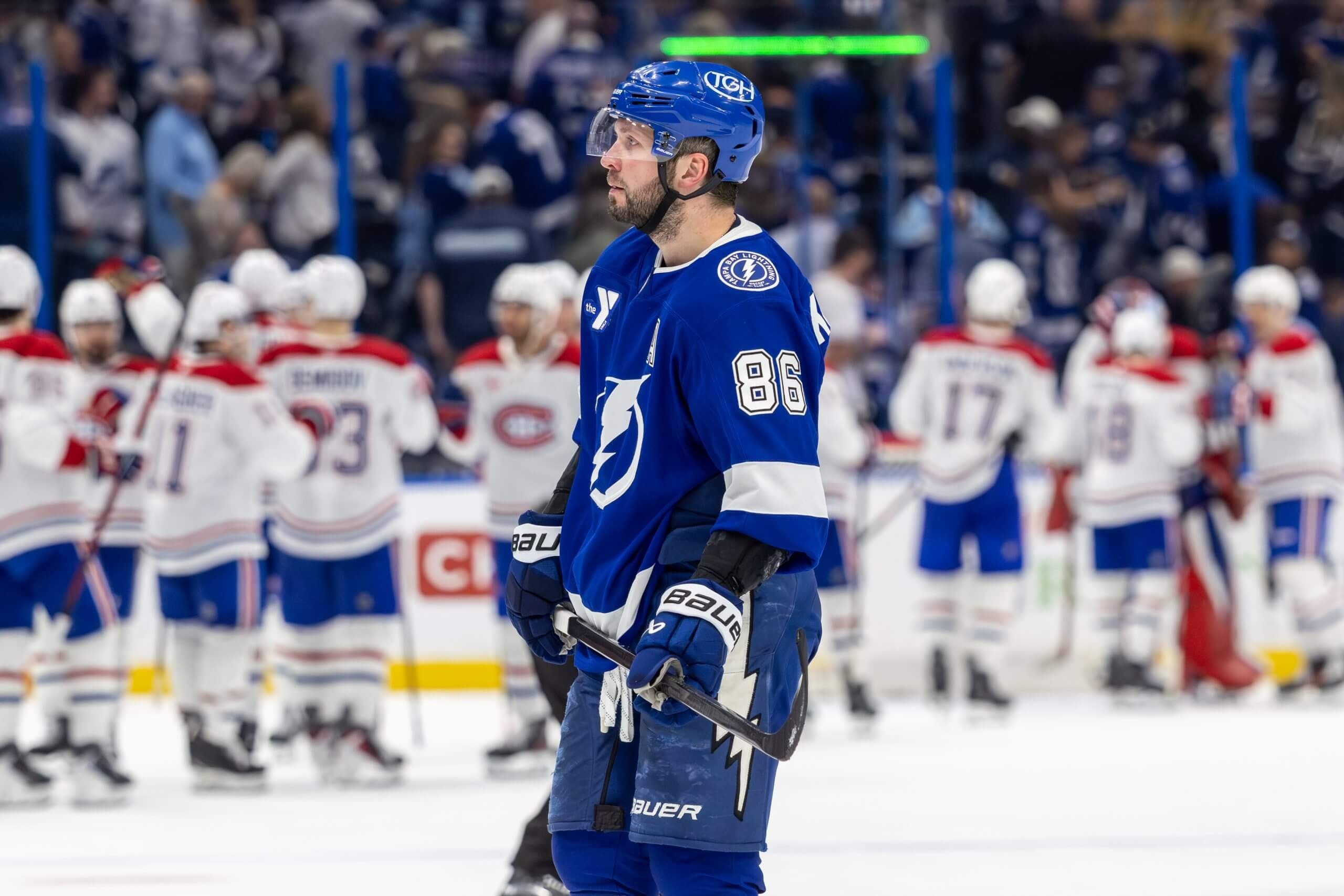
Kucherov entered the postseason as a finalist for the Ted Lindsay Award, a peer‑voted honor that underscores his status as one of the league’s elite playmakers.
In the five games played so far, he has accumulated six points (one goal, five assists) while leading the team with eight shots on goal in the most recent contest, a production level that falls short of his regular‑season output.
Despite a tying goal in Game 2 and the primary assist on the Game 4 winner, Kucherov’s contributions have been described by an NHL scout as “empty calories” that have not translated into sustained offensive pressure.
His limited post‑game media presence—only one interview after Game 2—has drawn criticism from fans and analysts who expect a player of his stature to assume a vocal leadership role.
Point, who recorded a single power‑play goal in five playoff games, has also struggled to find the back of the net, managing just one goal in his final 11 regular‑season appearances.
The forward’s knee injury, which forced him out of the Winter Olympics, appears to have impacted his effectiveness, a concern echoed by his own admission of frustration during a post‑game interview.
Brandon Hagel and Jake Guentzel have shouldered much of the offensive burden, combining for a significant portion of the Lightning’s goals, yet the team requires additional scoring depth to avoid a fourth consecutive first‑round exit.
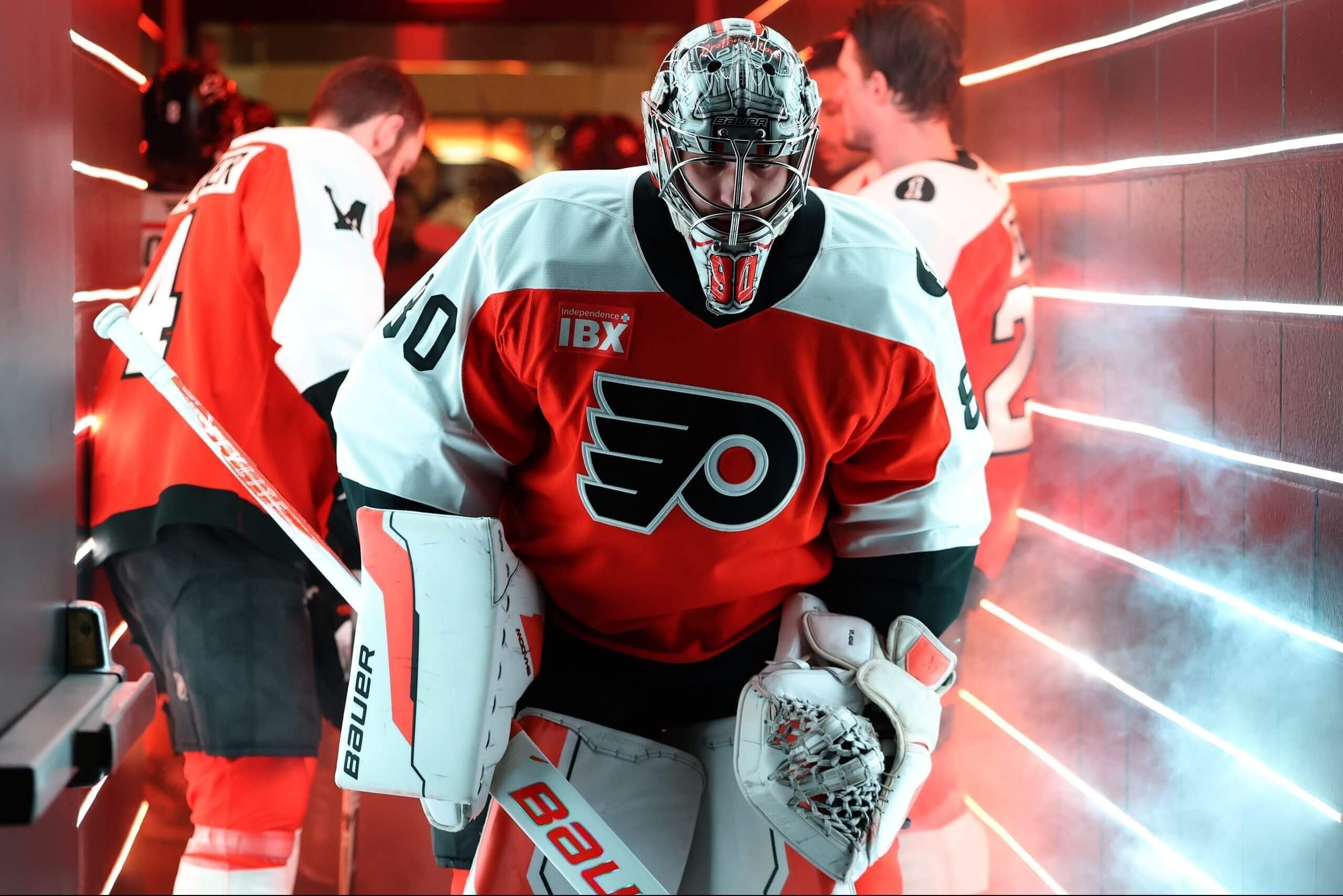
Andrei Vasilevskiy, a two‑time Vezina winner and a two‑time Stanley Cup champion, entered the series with a career playoff save percentage of .880 through five games.
His performance has been scrutinized after conceding a soft, game‑winning goal to Alexandre Texier, a moment that sparked debate over defensive lapses rather than goaltending errors.
Corey Perry and Dominic James publicly defended Vasilevskiy, emphasizing his season‑long contributions and labeling him “the best goalie in the world.”
Head coach Jon Cooper reinforced this stance, attributing the Texier goal to a breakdown in line changes and defensive positioning rather than Vasilevskiy’s execution.
Cooper’s comments highlighted the importance of team structure, noting that “Vasy does bail us out of those” situations, underscoring his reliance on Vasilevskiy’s elite skill set.
Statistically, the Canadiens’ rookie net‑minder Jakub Dobeš recorded 38 saves in the pivotal Game 5, suggesting a fairly even matchup between the two goaltenders.
The Lightning’s defensive unit must therefore tighten its zone coverage and improve transition play to limit high‑danger chances against Vasilevskiy.
The series has featured several key moments, including Brendan Gallagher’s early goal in Game 5 that set the tone for a night in which Tampa Bay appeared flat and reactive.
That loss forced the Lightning into a must‑win situation for Game 6, a scenario that will test the mental fortitude of the veteran core.
Historically, the Lightning have advanced past the first round in six of the past seven postseason appearances, but recent trends show a concerning pattern of early exits.
The franchise’s back‑to‑back Stanley Cup victories in 2020 and 2021 were built on a blend of star power and depth, a formula that now appears to be under strain.
Montreal’s goaltender, Jakub Dobeš, remains unbeaten in the series, and his composure has provided the Canadiens with a steady backbone.
The Lightning’s power‑play efficiency has also dipped, with only one power‑play goal recorded by Point in the series, highlighting a need for better special‑teams execution.
In contrast, the Canadiens have capitalized on their power‑play opportunities, a factor that could prove decisive in the upcoming game.
The Lightning’s recent regular‑season record placed them third in the Atlantic Division, securing home‑ice advantage for the first three games of the series.
However, the shift to the Bell Centre for the final two contests places the Canadiens in a familiar, hostile environment where momentum can swing quickly.
Below is a summary of the key statistical outputs for the series to date:
| Player | Points | Save % |
|---|---|---|
| Nikita Kucherov | 6 (1G,5A) | — |
| Andrei Vasilevskiy | — | .880 |
| Jakub Dobeš | — | .917 |
Beyond the raw numbers, the tactical approach of Jon Cooper will be under the microscope as he seeks to adjust line combinations and defensive pairings.
Cooper’s willingness to experiment with forward deployment could provide the spark needed to generate secondary scoring.
Meanwhile, the Canadiens’ coaching staff will likely continue to exploit the Lightning’s defensive zone exits, a weakness exposed in the previous game.
Montreal’s ability to maintain possession and control the neutral zone will be crucial in limiting Tampa Bay’s transition opportunities.
The psychological aspect of the series cannot be overlooked; the Lightning’s veteran players are expected to set the tone for resilience and composure.
Point’s statement that the team “either shows up or we’re out” encapsulates the urgency felt throughout the locker room.
Should Kucherov rediscover his playmaking rhythm, the Lightning’s offensive ceiling could rise dramatically, given his history of generating high‑quality chances.
Conversely, a continued slump from Kucherov would force the team to rely heavily on secondary contributors, increasing the pressure on the bottom six.
Vasilevskiy’s experience in high‑pressure moments, including two Stanley Cup victories, provides a stabilizing influence that the Lightning will need to lean on.
His ability to make timely saves in critical moments has historically been a differentiator for the franchise in close contests.
The upcoming Game 6 also carries broader implications for the league, as a Lightning exit would signal a shift in the Eastern Conference power balance.
Montreal’s advancement would mark their first series win since 2010, revitalizing a franchise that has struggled to break past the first round for over a decade.
For Tampa Bay, a loss would prompt offseason discussions about roster composition, particularly regarding depth scoring and defensive reliability.
The organization’s front office, led by General Manager Julien BriseBois, will likely evaluate the performance of role players and consider potential trade targets.
Nevertheless, the Lightning’s core of Kucherov, Point, and Vasilevskiy remains under contract through the 2025‑26 season, providing continuity for future campaigns.
Fans in Tampa will be watching closely, as the franchise’s reputation for delivering championship moments hangs in the balance.
The Bell Centre’s atmosphere on Friday night is expected to be electric, with Canadiens supporters eager to witness a potential upset.
Both teams have demonstrated the capacity to score quickly, making the next two games a potential showcase of offensive fireworks.
In the end, the Lightning’s fate will hinge on whether their veteran core can translate pedigree into performance when the series hangs in the balance.
If Kucherov, Point, and Vasilevskiy elevate their play, Tampa Bay retains a realistic chance to advance and pursue another Stanley Cup.
If they fail to do so, the franchise may need to confront the uncomfortable reality of a repeating first‑round disappointment.