WNBA Approves Expansion Teams in Cleveland, Detroit, and Philadelphia
The Women's National Basketball Association confirmed Thursday that it will add three new franchises, expanding the league to 18 teams by 2030.
The approved markets are Cleveland, Michigan; Detroit, Michigan; and Philadelphia, Pennsylvania, with each city slated to join the league in successive years.
Cleveland will be the first of the three to begin competition, with its inaugural season scheduled for 2028.
Detroit will follow a year later, entering the WNBA in the 2029 season.
Philadelphia will complete the expansion wave, launching its franchise for the 2030 campaign.
The announcement formalizes the league’s earlier June statement that granted expansion rights to these cities.
It also coincides with the conclusion of a protracted labor dispute that ended with a new collective bargaining agreement last month.
The agreement, ratified by both the WNBA and its players, cleared the way for the league to accelerate preparations for the 2026 season.
Those preparations include an expansion draft held on Friday for the two teams slated to begin play this year, Portland and Toronto.
Free agency opened on Monday, giving existing teams the opportunity to adjust rosters ahead of the upcoming draft.
The 2026 WNBA Draft is scheduled for next Monday, completing the offseason roster moves.
The 2026 regular season will commence on May 8, marking the first full season after the new labor agreement.
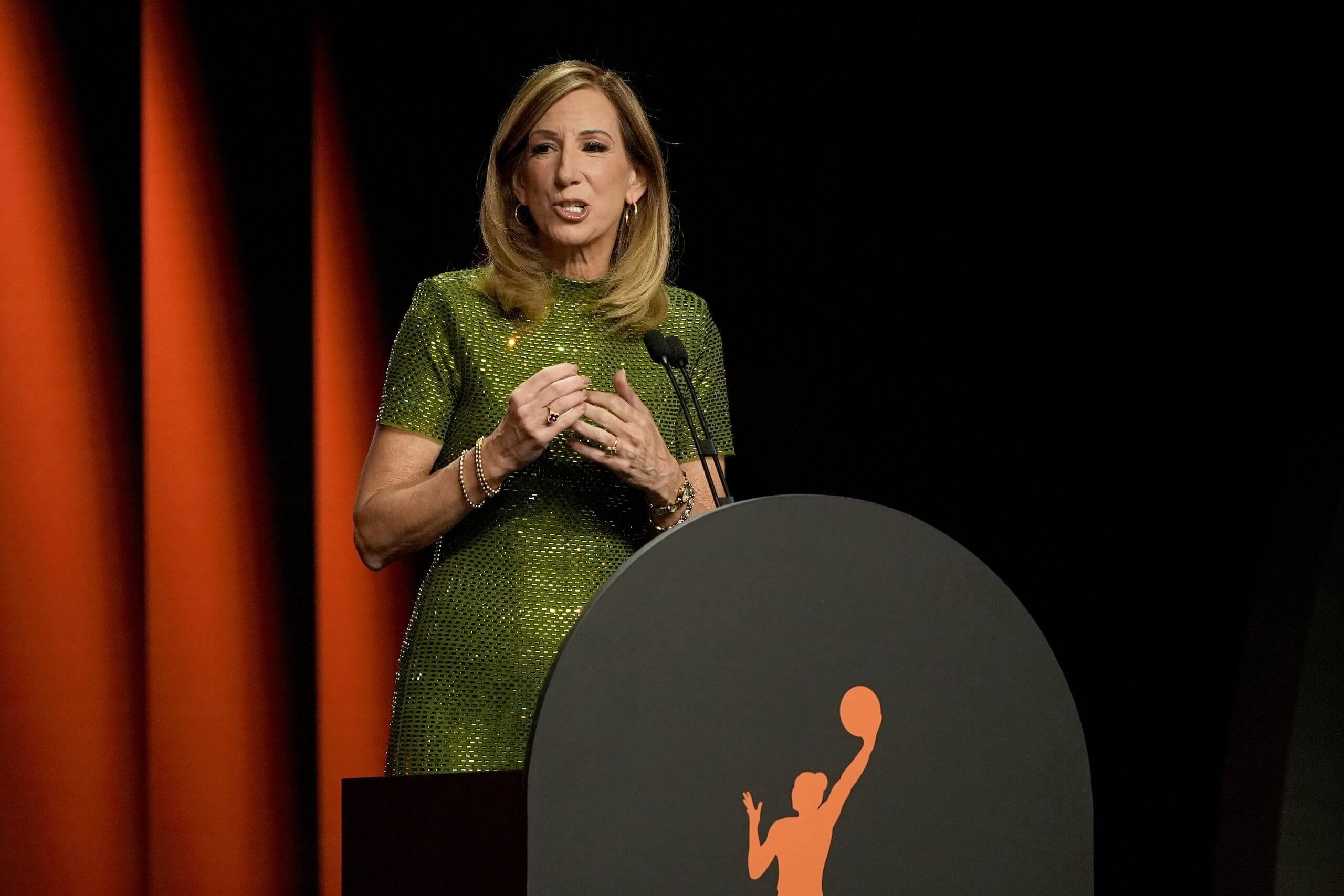
Commissioner Cathy Engelbert described the expansion as “a powerful reflection of our league’s extraordinary momentum.”
She emphasized the depth of talent across the game and the surging demand for investment in women’s professional basketball.
The addition of Cleveland, Detroit, and Philadelphia follows the league’s earlier expansion to Portland and Toronto, which will begin play this season.
With those two teams already confirmed, the total number of franchises will rise from 12 to 18 within a four‑year span.
This growth represents a 50 % increase in league size, a metric rarely achieved in major North American professional sports.
The expansion aligns with the WNBA’s strategic plan to broaden its geographic footprint and tap into new fan markets.
Cleveland and Detroit bring a strong basketball heritage, each city having hosted successful NBA franchises and robust college programs.
Philadelphia, a historic sports city, previously hosted the WNBA’s Philadelphia Rage in the early 2000s, providing a ready fan base.
Team ownership groups for the new franchises have been disclosed, each comprising local business leaders and former athletes.
The Cleveland ownership group includes former NBA player LeBron James, who has expressed enthusiasm for supporting women’s basketball.
Detroit’s ownership consortium features automotive industry executives, signaling a partnership between the league and the region’s economic pillars.
Philadelphia’s investors are led by a coalition of venture capital firms focused on sports and entertainment.
From a tactical perspective, the expansion draft will allow the new clubs to acquire experienced WNBA players, providing immediate competitiveness.
Existing teams will protect a core of players, leaving a pool of veterans and role players available for selection.
The draft order for the expansion teams will be determined by a lottery, ensuring fairness in talent distribution.
Analysts expect the new franchises to prioritize versatile wing players, reflecting the league’s current emphasis on speed and shooting.
Player development pipelines in Ohio, Michigan, and Pennsylvania will be crucial for supplying homegrown talent to the new teams.
College programs such as the University of Michigan, Ohio State, and Temple University have produced multiple WNBA players in recent years.
The league’s partnership with the NBA will facilitate shared resources, including training facilities and marketing expertise.
Financially, the expansion will increase league revenue through new arena deals, sponsorships, and broadcast markets.
Television contracts are expected to incorporate additional games featuring the new franchises, expanding national exposure.
Community outreach initiatives will accompany each team’s launch, aiming to grow grassroots participation in women’s basketball.
Local schools and youth organizations will benefit from clinics and mentorship programs led by WNBA players.
Below is a timeline of the approved expansion, highlighting the year each franchise will begin play.
| City | Franchise Start Year | Notes |
|---|---|---|
| Cleveland | 2028 | First of the three new teams |
| Detroit | 2029 | Second new team |
| Philadelphia | 2030 | Third new team |
These dates align with the league’s broader schedule, allowing each market adequate time to build facilities and staff.
The Portland and Toronto expansions, slated for the 2026 season, will serve as a blueprint for the later entries.
Both teams have already announced venue agreements and are in the process of hiring coaching personnel.
The league’s expansion strategy reflects a commitment to long‑term stability, avoiding the rapid over‑extension that has challenged other leagues.
By spacing the introductions over four years, the WNBA can integrate each franchise fully while maintaining competitive balance.
Current WNBA standings indicate a relatively even distribution of talent, a factor that will aid the new teams in fielding competitive rosters.
Existing powerhouses such as the Las Vegas Aces and New York Liberty will continue to set performance benchmarks.
Meanwhile, the expansion teams will have the opportunity to craft distinct identities, catering to local fan preferences.
Marketing research shows strong interest in women’s basketball among women aged 18‑34 in each of the three new markets.
Social media engagement metrics have risen 22 % league‑wide since the new CBA was ratified.
In summary, the WNBA’s official approval of expansion to Cleveland, Detroit, and Philadelphia marks a historic milestone in the league’s evolution.
The coordinated rollout, supported by a new labor agreement and strategic planning, positions the league for sustained growth and increased visibility.