2026 WNBA Draft First-Round Grades: Azzi Fudd, Olivia Miles, Awa Fam Thiam, Lauren Betts & More Analyzed
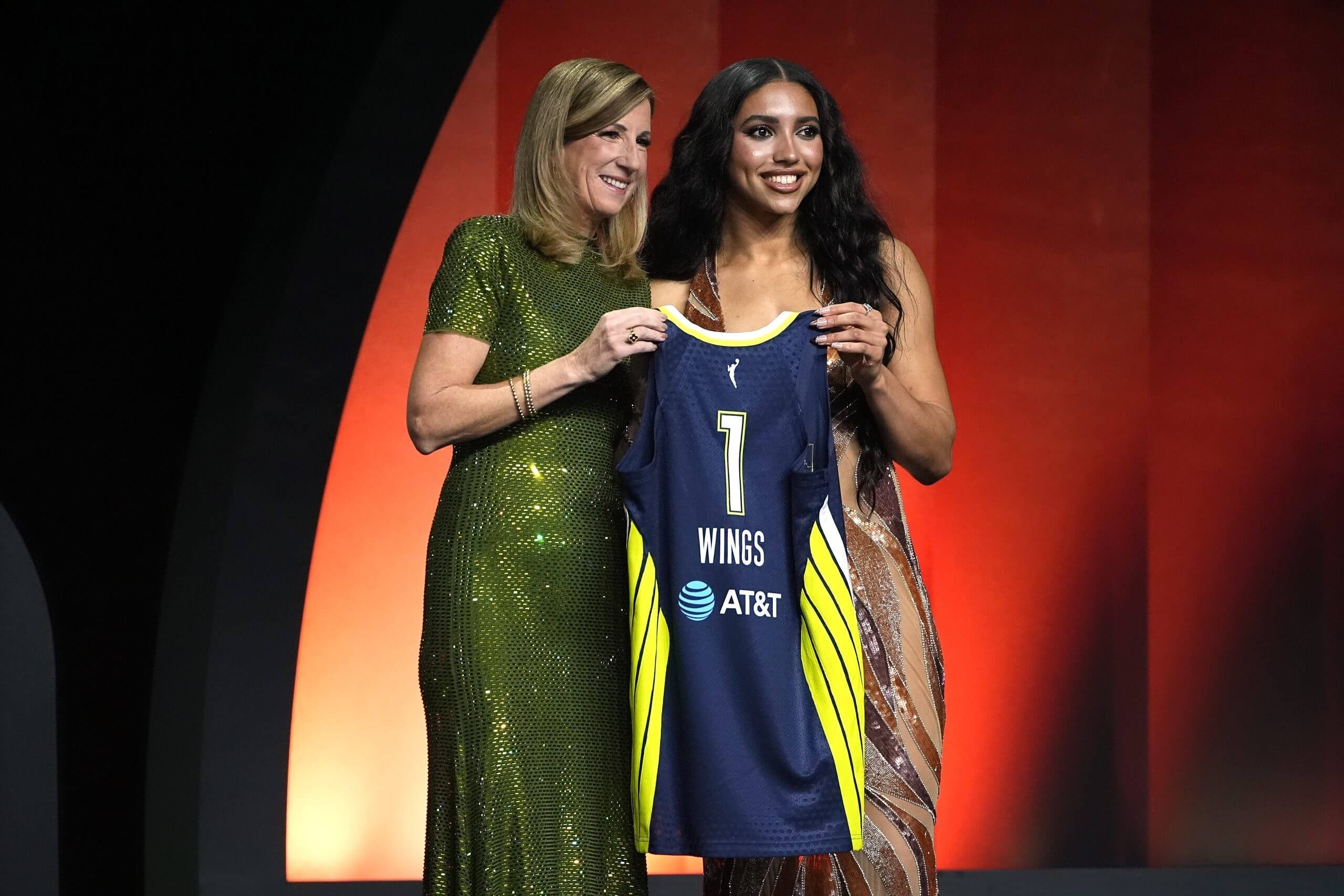
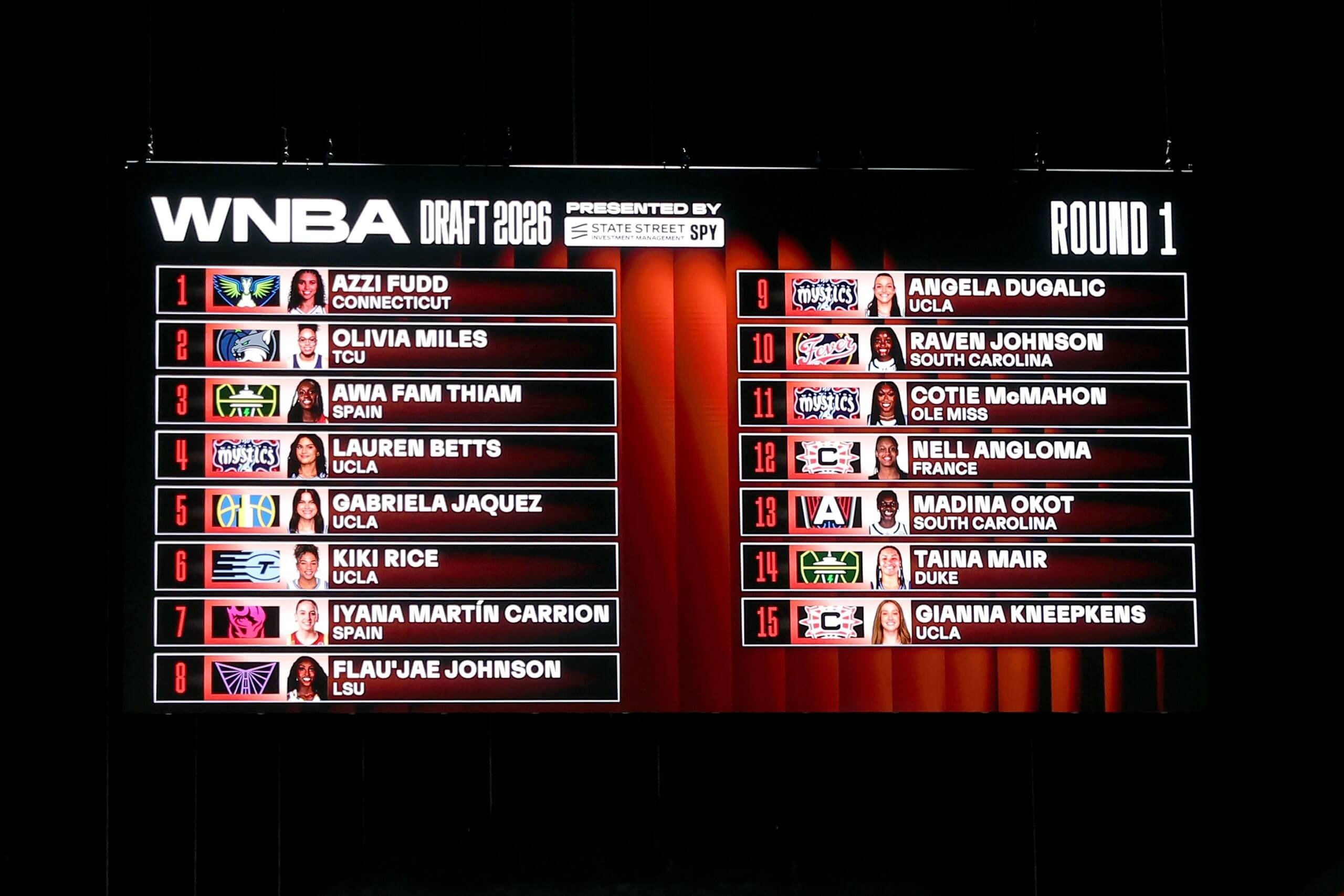
The 2026 WNBA Draft opened with a historic moment as the Dallas Wings selected UConn guard Azzi Fudd with the No. 1 overall pick, reuniting her with former Huskies teammate Paige Bueckers who was drafted by Dallas a year earlier.
Fudd’s selection marked the seventh time a UConn player has gone first overall and created a rare mother‑daughter connection in the league; her mother Katie Fudd (née Smrcka Duffy) was the 62nd overall pick in 2001 but never appeared in a game.
Dallas earned a solid B grade for the pick, reflecting the talent and marketability Fudd brings while acknowledging the positional logjam at guard that could limit her immediate impact.
The Minnesota Lynx chose TCU guard Olivia Miles at No. 2, awarding the team an A‑ grade for securing a player described as a potential generational passer.
Miles joins a roster that already features Napheesa Collier and will benefit from the mentorship of former Lynx legend Lindsay Whalen, now an assistant coach, creating a strong developmental environment.
Seattle Storm captured Valencia Basket center Awa Fam Thiam with the No. 3 pick, earning an A grade for the franchise’s willingness to wait on a player who could become the class’s best talent within five years.
Thiam adds size and athleticism alongside Dominique Malonga and Ezi Magbegor, forming a frontcourt that could become one of the most intimidating in the league.
The Washington Mystics selected UCLA center Lauren Betts at No. 4, receiving a B+ grade for adding a young, versatile big to a rebuilding roster that will likely rely on her for heavy minutes.
Betts will reunite with former Stanford teammate Kiki Iriafen and former UCLA assistant Michaela Onyenwere, now a Mystics player, providing immediate chemistry off the bench.
Chicago Sky took UCLA guard Gabriela Jaquez with the No. 5 selection, granting the team a B grade for addressing a wing need with a player known for her motor, culture‑setting attitude, and recent national title.
Jaquez’s shooting resurgence could elevate her from a solid pick to a steal, but even at current levels she offers the Sky a reliable scorer and locker‑room presence.
Toronto Tempo filled their point‑guard vacancy by drafting UCLA’s Kiki Rice at No. 6, earning a B+ grade for acquiring a well‑rounded floor general who excelled in her senior season.
Rice will be coached by veteran Sandy Brondello, whose experience in player development should smooth the transition from college to the professional game.
Portland Fire selected guard Iyana Martín Carrión from Club Baloncesto Avenida (Spain) at No. 7, receiving a B+ grade for adding an internationally‑experienced prospect with a U‑19 World Cup MVP résumé.
The Fire’s roster is not poised for immediate contention, making Martín Carrión a high‑upside developmental project that aligns with the franchise’s global scouting strategy.
Golden State Valkyries originally held the No. 8 pick and chose LSU guard Flau’jae Johnson, giving the team an A grade for the selection before trading her to Seattle for TCU forward Marta Suárez and a 2028 second‑round pick.
The trade reflects Golden State’s focus on international talent, while Seattle gains a versatile guard without sacrificing a first‑round asset.
Washington added UCLA forward Angela Dugalić at No. 9, earning a B‑ grade; Dugalić provides size and defensive grit but offers less upside than younger prospects remaining on the board.
The Mystics continue to favor experienced players, a trend set by their prior first‑round pick Georgia Amoore, suggesting a roster construction strategy centered on immediate contributions.
Indiana Fever selected South Carolina guard Raven Johnson with the No. 10 pick, awarding the team an A‑ grade for acquiring a defensively‑oriented point guard who posted career‑high shooting numbers.
Johnson’s addition gives Indiana a second capable ball‑handler, complementing their existing backcourt and addressing the need for pressure‑resistant playmaking.
Washington returned to the board at No. 11, taking Ole Miss forward Cotie McMahon and receiving a B‑ grade; the pick raises questions given the availability of higher‑upside South Carolina talent.
McMahon’s ball‑handling abilities as a forward present a unique skill set, yet the Mystics must determine how to integrate her into a system already featuring multiple young frontcourt pieces.
Connecticut Sun chose French forward Nell Angloma (Basket Lattes Montpellier) at No. 12, earning a B grade for adding a strong, big wing who fits coach Rachid Meziane’s vision of a versatile frontcourt.
Angloma will develop alongside veterans Brittney Griner, Aaliyah Edwards, and Aneesah Morrow, offering a blend of youth and experience in Connecticut’s rebuilding phase.
Atlanta Dream selected South Carolina center Madina Okot at No. 13, granting the team a B grade; Okot joins a trio of Gamecocks transfers, reinforcing the Dream’s familiarity with South Carolina talent.
Okot’s transition to the professional level may require adjustment in shooting consistency, but Atlanta’s depth provides a patient environment for growth.
Seattle made a puzzling move at No. 14, drafting Duke guard Taina Mair and receiving a D grade; analysts questioned the decision given the player’s availability later in the draft.
The Storm’s roster exodus created a need for floor‑spreading talent, making the selection of Gianna Kneepkens at No. 15 a more logical choice that was ultimately overlooked.
Connecticut capitalized on the oversight by selecting UCLA guard Gianna Kneepkens with the No. 15 pick, awarding the Sun an A grade for securing one of the nation’s top shooters.
Kneepkens becomes Connecticut’s fifth first‑rounder from UCLA, tying the record for most selections from a single school in WNBA Draft history.
Her shooting prowess will address the Sun’s spacing challenges and complement pass‑first players like Saniya Rivers and Leïla Lacan.
| Pick | Team | Grade |
|---|---|---|
| 1 | Dallas Wings | B |
| 2 | Minnesota Lynx | A‑ |
| 3 | Seattle Storm | A |
| 4 | Washington Mystics | B+ |
| 5 | Chicago Sky | B |
| 6 | Toronto Tempo | B+ |
| 7 | Portland Fire | B+ |
| 8 | Golden State Valkyries (traded) | A |
| 9 | Washington Mystics | B‑ |
| 10 | Indiana Fever | A‑ |
| 11 | Washington Mystics | B‑ |
| 12 | Connecticut Sun | B |
| 13 | Atlanta Dream | B |
| 14 | Seattle Storm | D |
| 15 | Connecticut Sun | A |
The draft’s overall narrative underscores a shift toward younger, internationally‑sourced talent, as seen with Seattle’s selection of Fam Thiam and Portland’s pick of Martín Carrión.
Teams that embraced this trend earned higher grades, reflecting the league’s evolving talent pipeline and the growing impact of overseas competition.
Conversely, selections that appeared to address immediate roster holes without clear upside, such as Seattle’s choice of Mair, were penalized with lower grades, highlighting the premium placed on long‑term potential.
For franchises like Dallas and Minnesota, the top‑three picks reinforce a strategy of pairing elite college playmakers with veteran leadership to accelerate competitive windows.
Dallas’ decision to reunite Fudd with Bueckers may also boost marketability and fan engagement, a factor that, while not directly quantified in the grades, contributes to the franchise’s broader objectives.
Overall, the 2026 first round delivered a blend of proven college stars, high‑upside international prospects, and strategic trades that will shape the WNBA landscape for years to come.