LIV Golf Unveils New Board and Strategic Plan Amid Funding Cut
LIV Golf will unveil new board members on Thursday, according to a source briefed on the discussions and relayed by Veezstream.
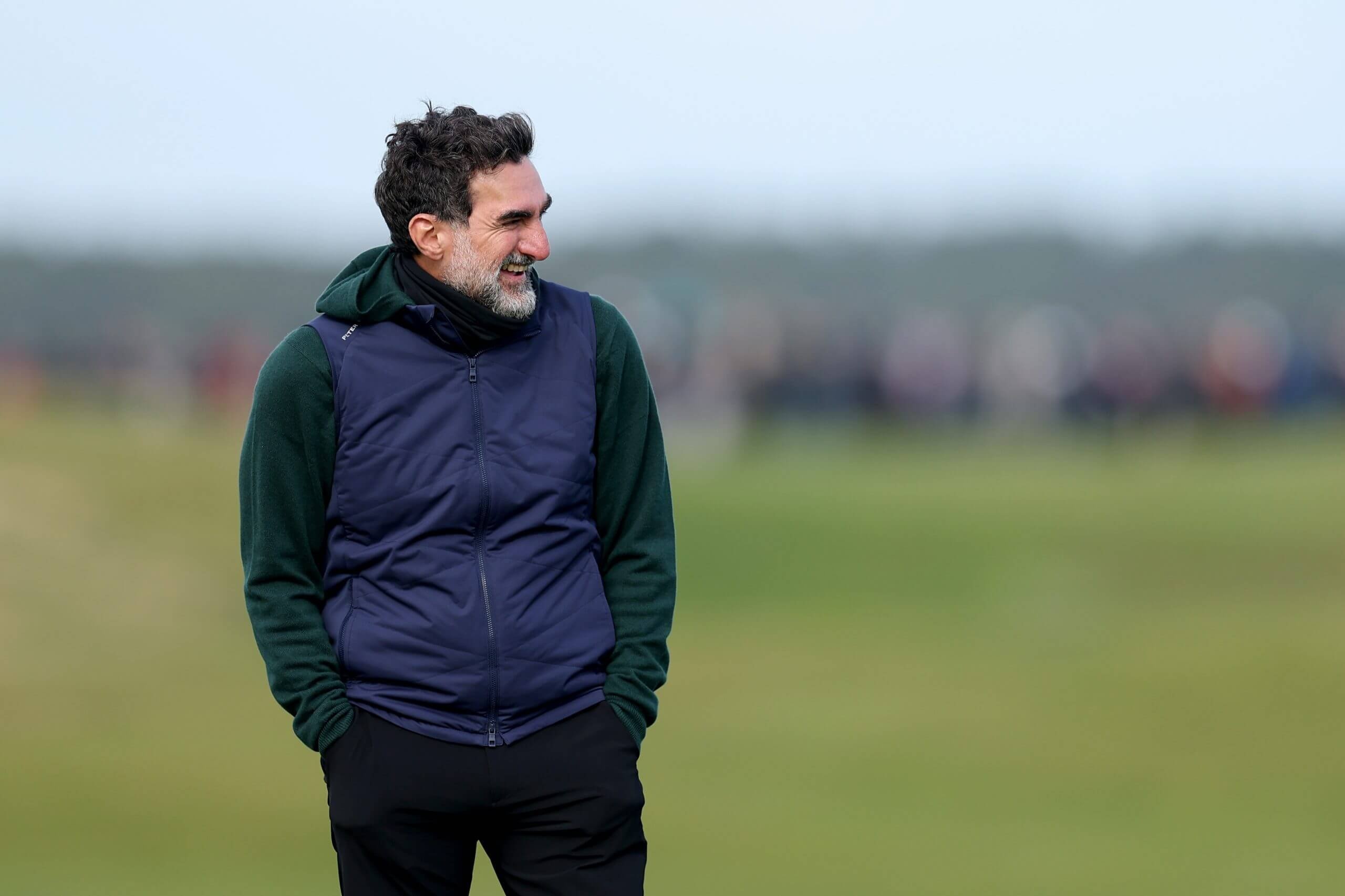
The announcement follows the recent departure of chairman Yasir Al‑Rumayyan, the governor of Saudi Arabia’s Public Investment Fund (PIF) and co‑founder of the tour.
Al‑Rumayyan’s exit was reported by the Sports Business Journal on Wednesday night after weeks of speculation about the future of the league’s financing.
The timing coincides with reports that the PIF intends to withdraw its multibillion‑dollar investment from LIV Golf beyond 2026.
On Thursday, LIV Golf is set to release a formal “strategic plan” aimed at attracting new long‑term investors to replace the expected PIF funding gap.
The strategic plan will be the first public acknowledgment that the league is seeking alternative capital sources after the PIF’s announced pull‑back.
Sources with direct knowledge of LIV Golf’s business operations told Veezstream that the company remains committed to a global tour and its team‑based format.
Those sources also confirmed that the plan was discussed in a conference call with all 13 team captains on Tuesday.
Multiple golf‑industry insiders revealed the PIF’s intention to cease funding two weeks ago, creating uncertainty among senior executives.
Following that revelation, several high‑level LIV executives began exploring new job opportunities while still managing the current season.
Just days after the final round of the Masters Tournament, executives were informed that many of their positions would soon be eliminated.
LIV Golf did not receive its final tranche of funding to complete the season until the days leading up to its Mexico City event on April 16‑19, according to sources.
CEO Scott O’Neil initially pushed back against reports of financial strain, insisting the season would proceed “exactly as planned, uninterrupted and at full throttle.”
Nevertheless, on Monday the league postponed its June event in New Orleans, indicating a need to re‑evaluate the schedule.
Louisiana officials, including Secretary of the Louisiana Economic Development Susan Bourgeois, were told the rescheduled event could be a weekend‑only invitational or an all‑star showcase in the fall.
To secure new capital, O’Neil disclosed that LIV Golf intends to sell equity stakes in its 13 franchise teams.
The league is also pursuing additional outside investments beyond team equity sales to stabilize its financial footing.
In internal broadcasts, O’Neil outlined potential partnerships with national opens as part of the league’s effort to diversify revenue streams.
While Greg Norman remains the public face of LIV Golf, Al‑Rumayyan’s departure marks the loss of a key behind‑the‑scenes financier.
Al‑Rumayyan was instrumental in the June 2023 “framework agreement” with the PGA Tour, which sought to end ongoing litigation between the two organizations.
Documents released during a July 2023 U.S. Senate subcommittee hearing showed Al‑Rumayyan requested an Augusta National Golf Club membership and a PGA Tour Enterprises board seat contingent on the agreement.
He met regularly with former PGA Tour Commissioner Jay Monahan, even playing a round together at the Dunhill Links Championship.
Insiders have long believed that Al‑Rumayyan championed LIV Golf within the PIF, despite the tour reportedly losing $5 billion since 2022.
He was a strong advocate for the league’s team model, which introduced franchises such as the Crushers, Cleeks, and 4 Aces.
In February 2025, Al‑Rumayyan, Monahan, Tiger Woods and other senior figures met in the White House Oval Office hoping President Donald Trump could broker a settlement.
The meeting produced no immediate outcome, and discussions cooled shortly thereafter.
Fourteen months later, the PIF and LIV Golf have officially separated, leaving the league to operate without its original sovereign‑wealth backer.
LIV Golf’s next tournament, LIV Golf Virginia at Trump National Golf Club, is scheduled to begin on May 7, just outside Washington, D.C.
The upcoming event will serve as an early test of the league’s ability to function under the new strategic plan and revised financing structure.
Below is a summary of the current financial landscape and team structure as reported:
| Item | Amount / Count | Notes |
|---|---|---|
| PIF Investment (2022‑2025) | $5 billion (loss) | Reported loss since inception |
| Remaining PIF Commitment | $0 after 2026 | Planned withdrawal |
| Number of Teams | 13 | Each with a captain |
The table illustrates the scale of the financial shortfall and the league’s reliance on its 13‑team franchise model.
Analysts note that selling equity in individual teams could introduce a fragmented ownership structure, potentially affecting league governance.
Team captains, who also serve as franchise owners, will now have a more direct stake in the financial health of LIV Golf.
Historically, the team model was designed to create regional loyalty and a narrative rival to traditional individual‑stroke play.
Captains such as Ian Poulter (4 Aces) and Dustin Johnson (Travis Team) have been central to marketing the league’s brand.
The strategic plan’s emphasis on “new ways to change and improve” suggests possible format tweaks, though no specific changes have been disclosed.
Potential collaboration with national opens could provide additional tournament venues and sponsor exposure.
Such partnerships may also offer players more ranking points, a longstanding criticism of LIV Golf’s separation from established tours.
The postponement of the New Orleans event underscores the operational challenges the league faces without guaranteed sovereign funding.
Louisiana’s openness to a fall “weekend‑only invitational” indicates flexibility in event planning to accommodate financial realities.
Future scheduling will likely prioritize events with strong local economic support and potential broadcast revenue.
Broadcast partners have been briefed on the league’s intent to explore new revenue models, including equity‑based sponsorships.
While the league’s season will continue, the shift from a multibillion‑dollar backing to a more diversified investor base marks a pivotal transition.
Stakeholders will watch closely how the new board members influence strategic decisions and long‑term sustainability.
In summary, LIV Golf’s forthcoming board announcement and strategic plan represent a critical juncture for the upstart tour.
The league’s ability to maintain its global tour vision, secure new capital, and adapt its team model will determine its trajectory in the evolving world of professional golf.