Blue Jays Overcome Early Injuries: How Toronto Can Survive Pitcher and Hitter Setbacks Like Past Champions
The Toronto Blue Jays entered Sunday’s matchup with the Minnesota Twins carrying a roster scarred by injuries, a scenario that echoes a pivotal moment in recent baseball history.
After falling 8-2, Toronto’s record slipped to 6‑9, leaving the club five starters, three core hitters and a key reliever on the injured list, while several others battle minor ailments.
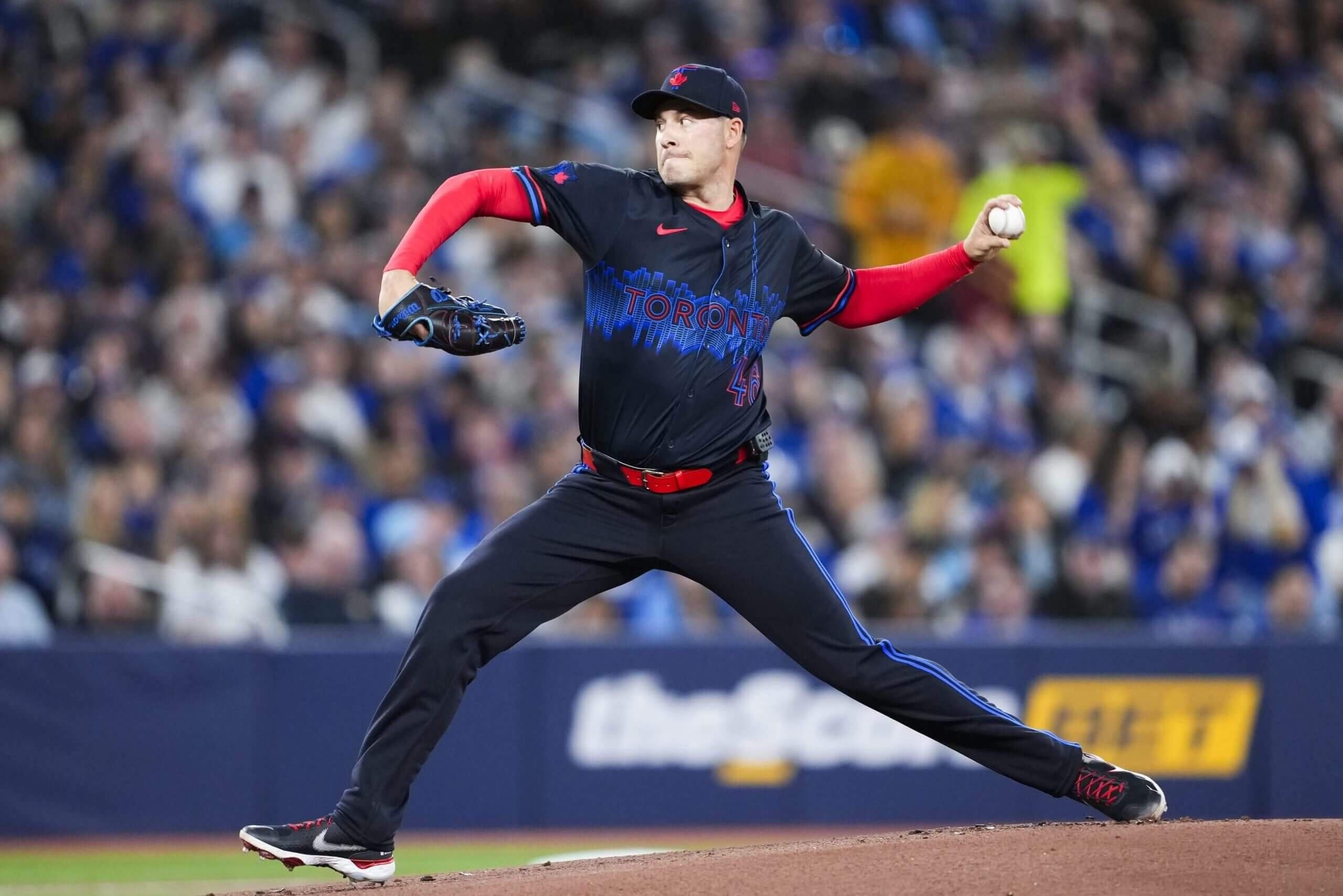
Manager John Schneider described the situation as “woe is me,” yet emphasized that the team cannot afford to succumb to panic, a sentiment echoed by veteran left‑hander Patrick Corbin.
Corbin, who joined the Jays’ rotation this week, previously endured a comparable stretch with the 2019 Washington Nationals, a club that transformed a 19‑31 start into a World Series championship.
The 2019 Nationals saw future All‑Stars Trea Turner, Anthony Rendon, Ryan Zimmerman and Juan Soto miss time early, forcing the team to rely on depth and resilience.
Toronto’s recent injuries—catcher Alejandro Kirk, prospect Addison Barger and outfielder George Springer—mirror that adversity, expanding a list that already includes five starting pitchers.
Springer’s left great toe fracture, suffered after fouling a pitch in the third inning, prompted a 10‑day IL placement, as announced on the team’s official Twitter feed.
In response, the Jays promoted 1B/DH Eloy Jiménez to the active roster, giving the club an additional bat and a potential spark for the struggling lineup.
The Blue Jays’ offense has struggled to generate runs, posting a team batting average below .220 with runners in scoring position, a metric that underscores their inability to capitalize on opportunities.
Meanwhile, the rotation has been unable to log sufficient innings, leaving the bullpen overtaxed and contributing to the team’s overall decline in performance.
Corbin’s experience in high‑pressure situations proved valuable during the 2019 World Series, where he delivered three innings in Game 7 after a dominant start by Max Scherzer.
That 2019 Nationals clubhouse maintained confidence that talent would eventually surface, a mindset Corbin believes Toronto must adopt to reverse its fortunes.
“You just can’t hit the panic button,” Corbin said, urging teammates to stay focused and continue executing their roles despite the mounting setbacks.
Scherzer, now a fellow starter in Toronto’s rotation, echoed the same message after the loss, stating that the team must “play better as a group” and trust in its capabilities.
Both pitchers emphasized that injuries are a universal challenge in baseball, noting that “every team you face has guys that are hurting,” and that excuses do not win games.
The Blue Jays’ current standing places them near the bottom of the American League East, a division dominated by the New York Yankees and Boston Red Sox.
| Team | Record | Division Rank |
|---|---|---|
| Toronto Blue Jays | 6‑9 | 5th (AL East) |
Despite the early-season slump, 147 games remain, offering ample opportunity for the Jays to recover and re‑establish contention.
Toronto’s depth options include spot starters and bullpen arms who have been called upon to eat innings and keep the team competitive in the short term.
Brandon Valenzuela, a promising reliever, is expected to receive increased workload as the club navigates the congested injury list.
Eloy Jiménez, now on the active roster, provides a left‑handed power bat that could help lift the lineup’s sub‑average production.
The organization’s front office may look to midseason signings and internal promotions to fill gaps, though any breakthrough will likely require players to exceed expectations.
Historically, teams that have endured similar injury crises have leaned on creative roster management and a “next man up” philosophy to survive the grind of a 162‑game schedule.
Schneider highlighted the need for creativity, stating the club must “lean into this challenge” and find unconventional solutions to sustain competitiveness.
Toronto’s 2015 World Series appearance and the 2022 AL East title illustrate the franchise’s capacity to rebound from adversity when health returns.
The 2019 Nationals’ turnaround serves as a blueprint; after a disastrous start, they rallied behind a core of healthy players and strategic call‑ups, ultimately capturing the championship.
Corbin believes that once the Jays’ injured list clears, the team’s underlying talent will emerge, mirroring the Nationals’ eventual flip in fortunes.
“Every team’s gonna go through things like this,” Corbin remarked, reinforcing that resilience is a common thread among successful clubs.
In the short term, Toronto will continue to test bench depth, rotate spot starters, and rely on veteran leadership to guide younger players through the slump.
The upcoming schedule features series against division rivals and interleague opponents, providing both challenges and opportunities to assess the effectiveness of the current adjustments.
While the Blue Jays’ early-season trajectory appears grim, the organization’s commitment to a “next man up” approach reflects a long‑standing baseball adage that perseverance often yields results.
Should the team’s health improve, the projected lineup could feature a blend of power, speed, and defensive versatility, positioning Toronto as a contender in the second half of the season.
For now, the focus remains on incremental progress, maintaining morale, and executing fundamentals despite the ongoing injury barrage.
As the season unfolds, the Jays’ ability to adapt will be measured not only by wins and losses but also by the development of players thrust into larger roles.
In summary, Toronto’s current predicament aligns with a historic precedent set by the 2019 Nationals, offering a roadmap that hinges on health, depth, and unwavering belief in the roster’s talent.