NWSL Teams Up with Project ACL to Reduce ACL Injuries in Women’s Soccer
The National Women’s Soccer League (NWSL) and the NWSL Players Association (NWSLPA) have formally joined Project ACL, the global research initiative targeting anterior cruciate ligament (ACL) injuries in professional women’s football.
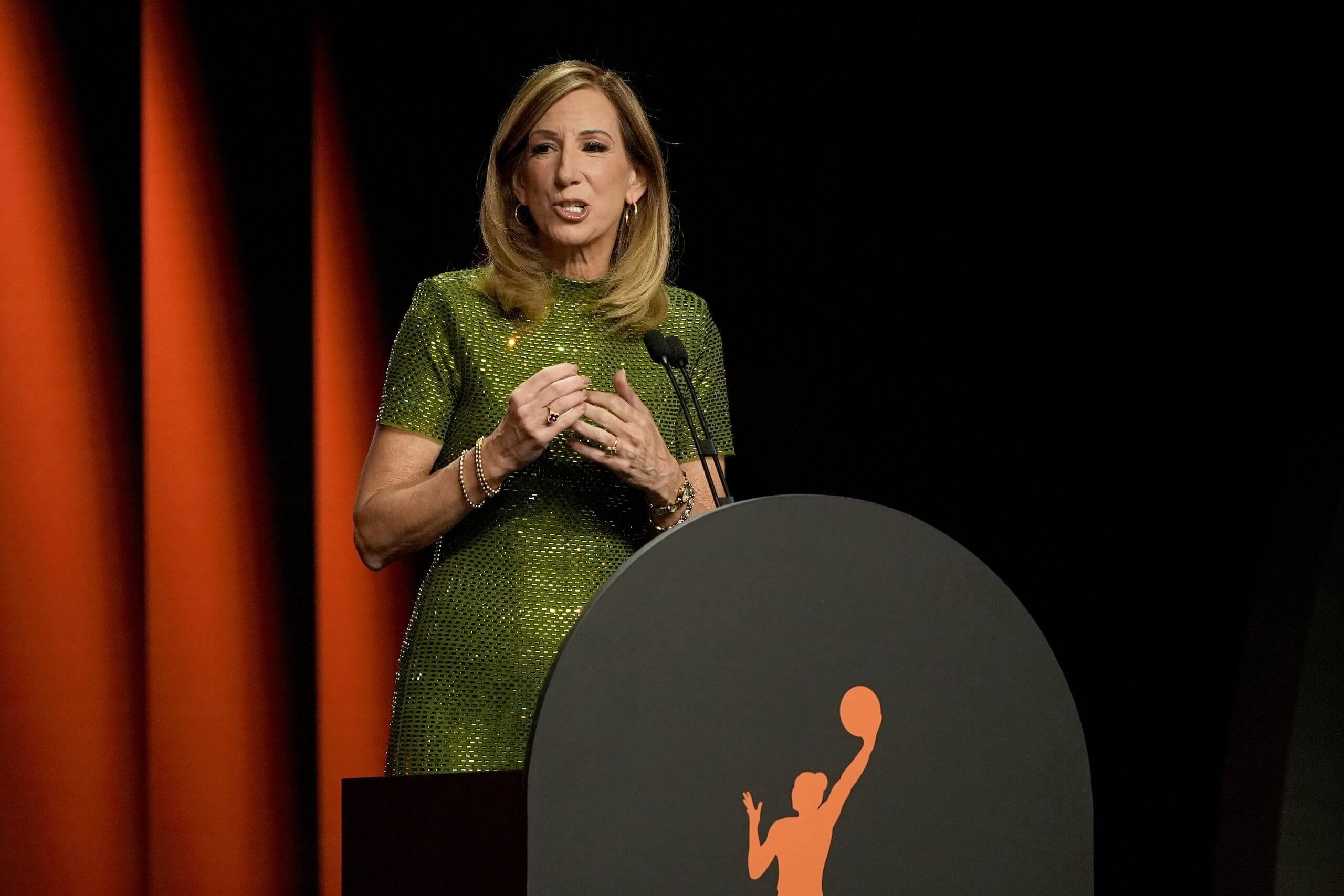
The partnership was announced at Nike’s New York headquarters on Tuesday, where representatives from FIFPro, Nike, Leeds Beckett University and the two leagues gathered to launch the collaboration.
Project ACL was conceived in 2024 by FIFPro, the Professional Footballers Association, Nike and Leeds Beckett University, initially focusing on England’s Women’s Super League (WSL) over a three‑year pilot phase.
The WSL edition, now in its final year, served as the project’s testbed, gathering data on workload, travel, and “critical‑zone” matches with less than five days of recovery.
According to FIFPro’s director of women’s football, Alex Culvin, the rise in professionalization and expectations has not translated into a reduction in ACL injuries, underscoring the need for evidence‑based interventions.
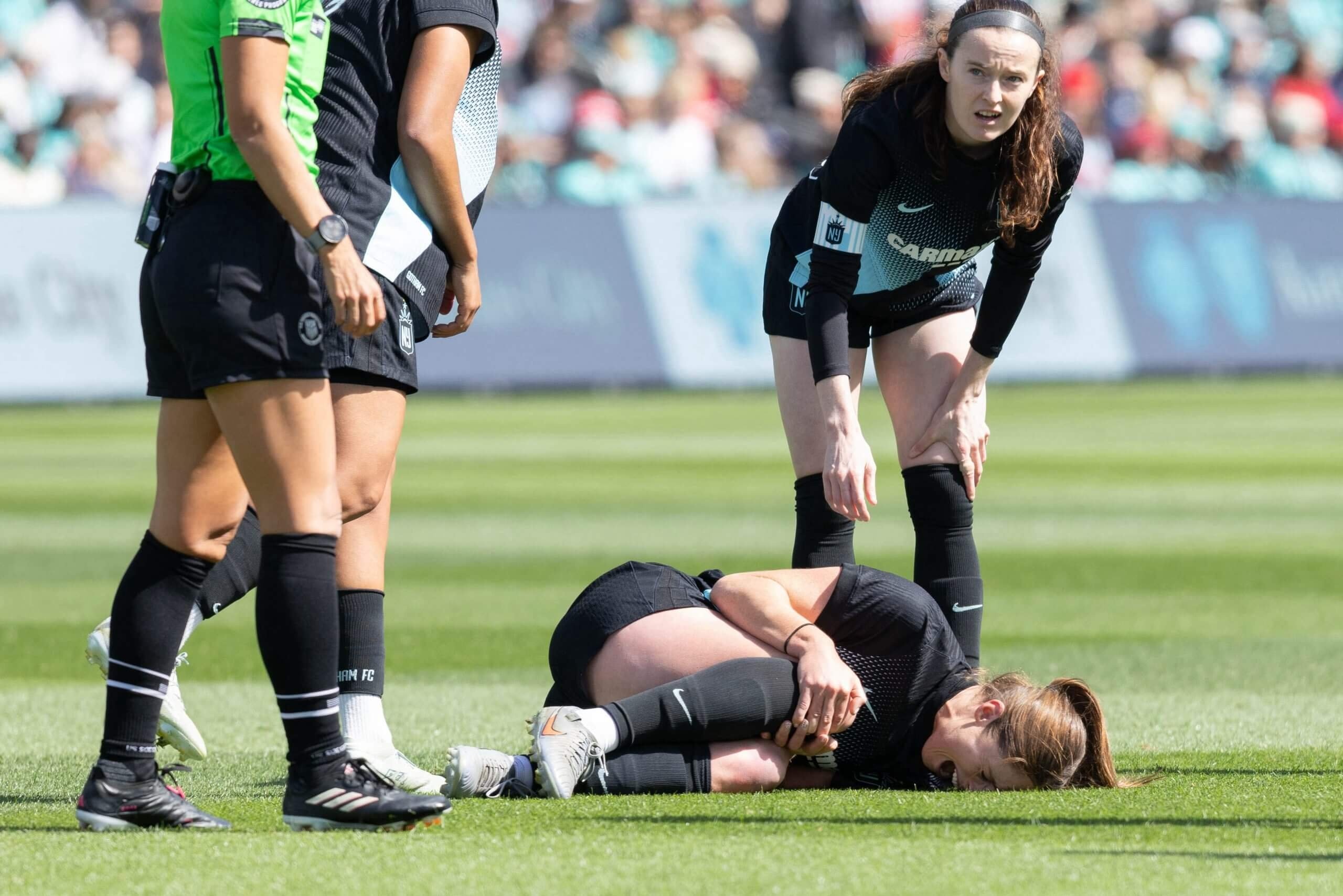
Research consistently shows that women are two to six times more likely than men to suffer an ACL tear, and roughly two‑thirds of those injuries occur without any physical contact.
Despite the high incidence, most scientific work on ACL prevention has centered on amateur athletes, leaving a gap in knowledge for elite women’s soccer.
The NWSL’s 2026 season already reflects the growing pressure on players, with six athletes placed on the season‑ending injury list after ACL ruptures.
Those players are Angel City’s Hina Sugita, Denver Summit’s Jasmine Aikey, Utah Royal’s 16‑year‑old KK Ream, Bay FC’s Alyssa Malonson, Portland Thorns’ Bella Bixby and Chicago Stars’ Natalia Kuikka.
All six injuries occurred between January and March, a period that includes preseason conditioning and the early regular‑season schedule.
Former NWSL star Tori Huster, now deputy executive director of the NWSLPA, emphasized that the league has seen between 20 and 30 ACL tears over the past two seasons.
Huster’s remarks highlight the urgency of the project, as the league seeks to curb a trend that threatens player careers and the league’s competitive integrity.
The NWSL expanded to 16 clubs in 2026, adding two new franchises and increasing the total number of games, which now often includes three matches within an eight‑day span.
More mid‑week fixtures and the prospect of international club competitions mean players are exposed to higher cumulative loads than in previous seasons.
Project ACL will run for three years beginning in June, creating the first multi‑league study of professional women’s football that includes both the WSL and NWSL.
The initiative will integrate the NWSL’s player workload data into FIFPro’s Player Workload Monitoring tool, allowing researchers to correlate training volume, travel fatigue and match density with injury risk.
Data collection will also examine environmental factors such as training surfaces, footwear, and recovery protocols across the 16 NWSL clubs.
In the WSL pilot, multidisciplinary teams from 12 clubs were surveyed about resources and injury‑prevention strategies, and more than 30 players were interviewed regarding their personal experiences.
These qualitative insights have already identified “critical‑zone appearances” as a potential predictor of ACL strain, prompting deeper statistical analysis.
Below is a summary of the ACL injuries reported in the NWSL during the 2026 season to date:
| Player | Club | Injury Date |
|---|---|---|
| Hina Sugita | Angel City | March 2026 |
| Jasmine Aikey | Denver Summit | March 2026 |
| KK Ream | Utah Royal | March 2026 |
| Alyssa Malonson | Bay FC | March 2026 |
| Bella Bixby | Portland Thorns | January 2026 |
| Natalia Kuikka | Chicago Stars | January 2026 |
Former USWNT forward Crystal Dunn, now a retired player and advocate, praised the expansion of Project ACL, noting that broader league participation will enhance load‑management conversations.
Dunn emphasized that while the demand for more games should remain, it must be balanced with scientific insights that protect athletes from overuse injuries.
Jordan Angeli, former NWSL player and co‑founder of the ACL Club, highlighted that repeated ACL injuries have shortened careers, citing her own three tears in five years as a cautionary example.
Angeli believes that systematic research could lead to adjustments in squad depth and rotation policies, potentially reducing the frequency of high‑risk situations.
Veteran midfielder Merritt Mathias recalled the invasive nature of post‑injury questioning, specifically the focus on menstrual cycles, and called for more nuanced medical protocols.
Mathias argued that understanding hormonal fluctuations could inform individualized training and nutrition plans, thereby mitigating injury risk for female athletes.
The NWSL’s collective bargaining agreement (CBA) already sets minimum standards for player health, but Project ACL may recommend measures that exceed those baseline requirements.
Huster expressed hope that any evidence‑based recommendations will be adopted league‑wide, reinforcing the NWSL’s commitment to player welfare beyond contractual obligations.
From a tactical perspective, teams that rely heavily on high‑intensity pressing and rapid transitions may need to adjust training loads to protect knee stability.
Coaches are expected to use the forthcoming data to tailor periodization schedules, ensuring that “critical‑zone” matches are preceded by adequate recovery protocols.
Historically, the NWSL has seen clubs like the Portland Thorns and Washington Spirit excel with deep rosters that allow for effective rotation, a model that could become more prevalent.
The expansion clubs in Atlanta and Columbus, slated to debut in 2028, will enter the league with the benefit of Project ACL insights baked into their medical and performance departments.
Internationally, the growing prominence of women’s club competitions such as the CONCACAF Women’s Champions League will add further scheduling complexity for NWSL teams.
Project ACL’s cross‑league framework positions it to address these emerging challenges by providing a unified evidence base for injury prevention.
FIFPro remains the primary driver of the initiative, coordinating research partners, data analysts and medical professionals to produce actionable recommendations.
The collaboration promises to generate a comprehensive report by 2029, detailing best‑practice guidelines for workload monitoring, recovery strategies, and equipment standards.
Stakeholders anticipate that the final recommendations will influence not only the NWSL and WSL but also other professional women’s leagues worldwide.
By integrating player‑reported outcomes with objective workload metrics, the project aims to close the knowledge gap that has long hindered effective ACL prevention in elite women’s soccer.
Ultimately, the success of Project ACL will be measured by a reduction in season‑ending ACL injuries, longer career spans for players, and the preservation of the sport’s competitive quality.