Rams Draft CJ Daniels in 2026 for Contested Catches and Blocking
The Los Angeles Rams entered the 2026 NFL Draft with a clear directive to address the wide receiver position, a priority echoed by general manager Les Snead during pre‑draft press conferences. “If the Rams are going to pick,” Snead said, “there’s always a receiver that we’re going, ‘This guy or a receiver?’”
Director of scouting Nicole Blake reinforced the mandate, noting that the organization would not leave the draft without adding a receiver. “You didn’t think they were going to leave the draft without a receiver, did you?” she asked.
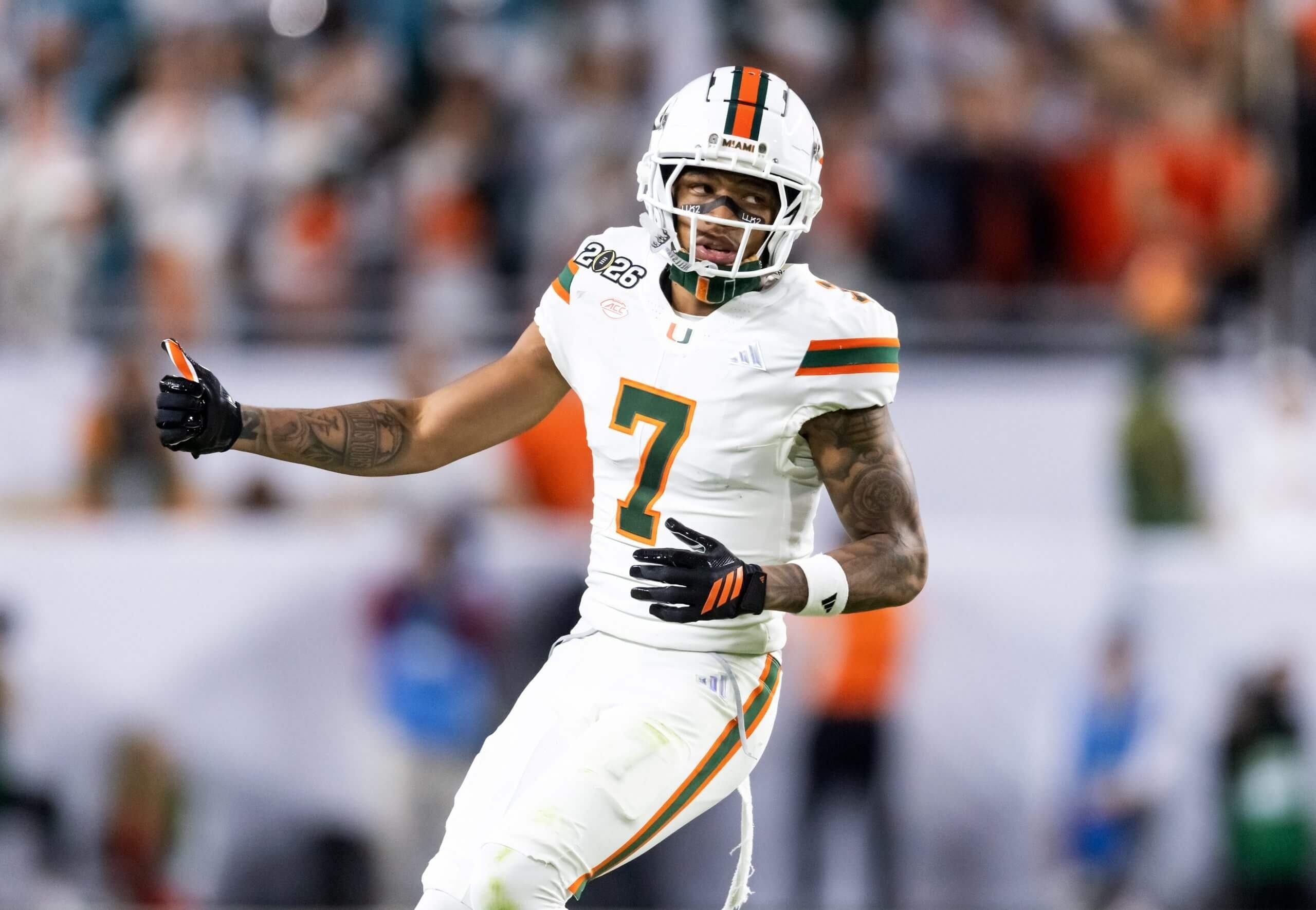
After seven rounds of selections, the Rams used a sixth‑round pick to select Miami (Ohio) wide receiver CJ Daniels, a move that capped a day of strategic maneuvering. The trade‑up required the Rams to surrender three later picks to move from No. 207 to No. 197, demonstrating the value they placed on Daniels.
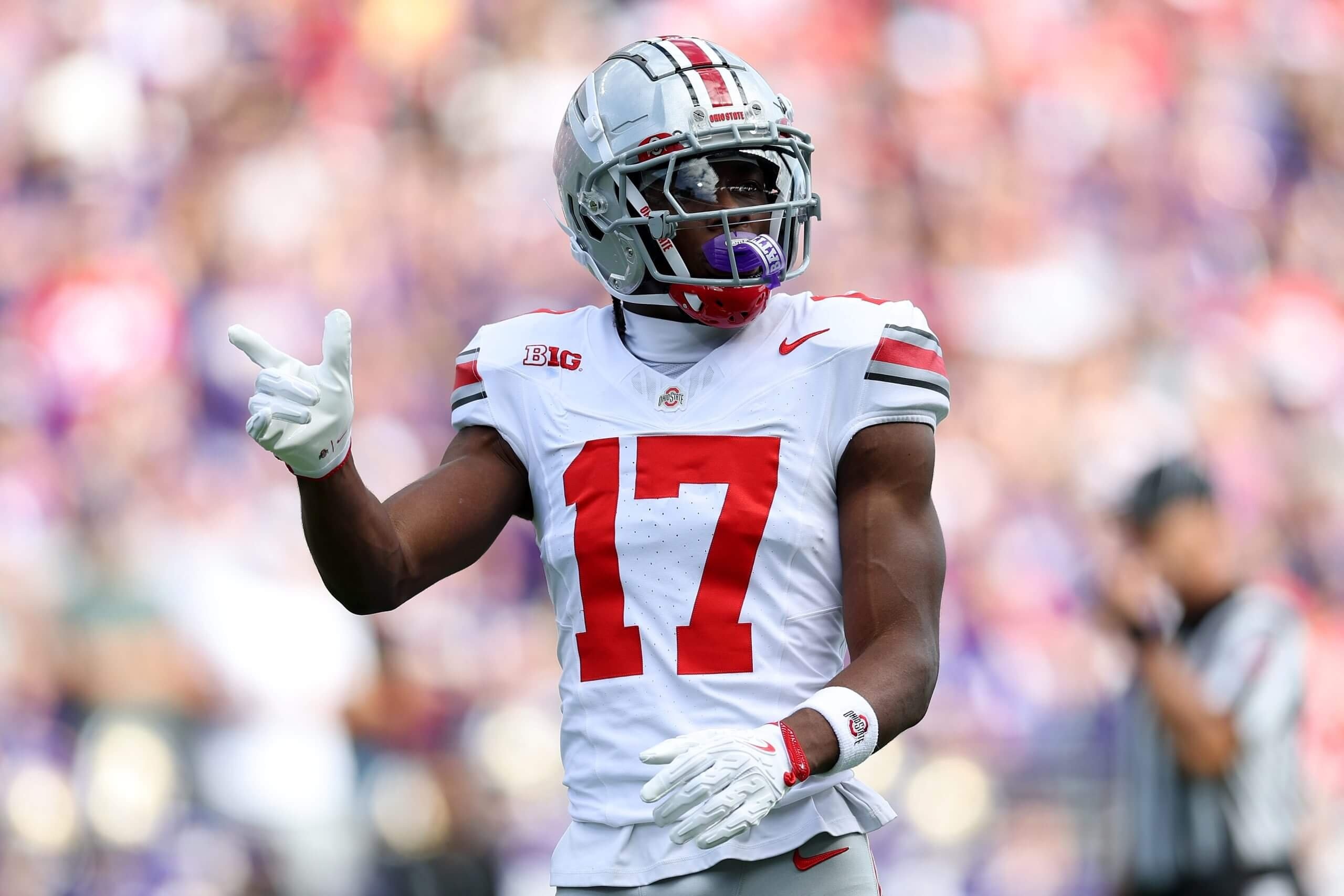
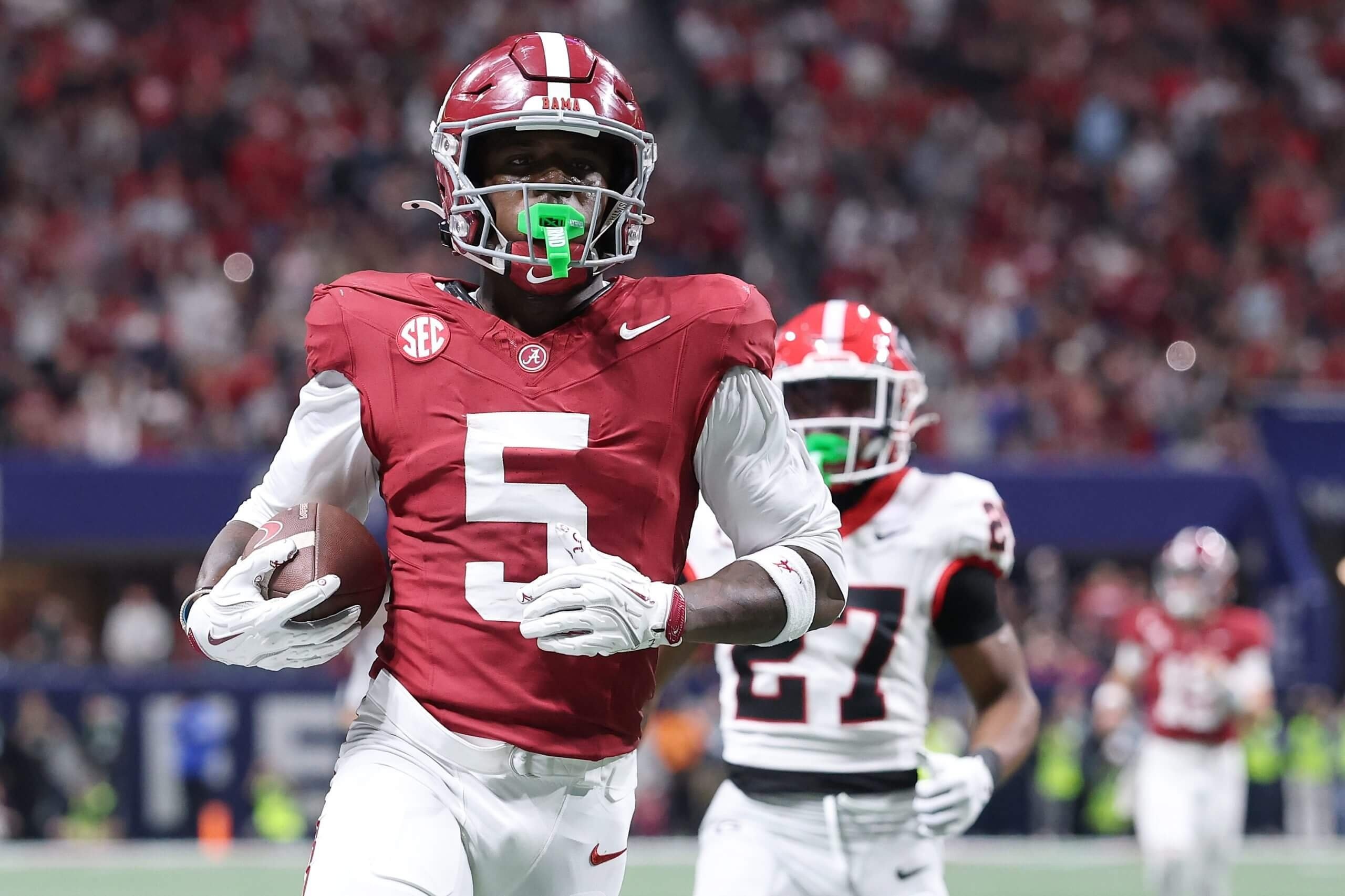
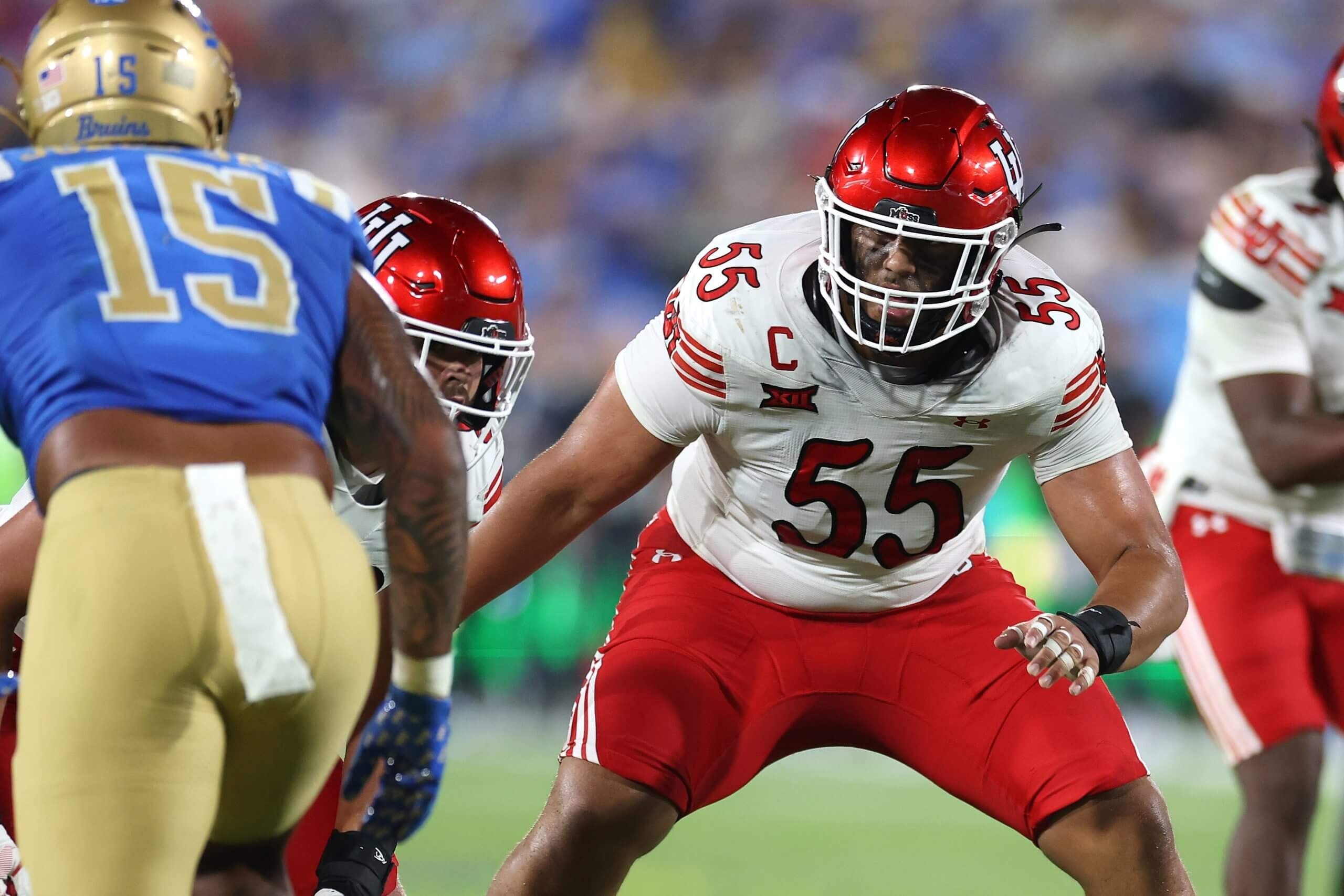
The decision followed a first‑round pass on USC’s Makai Lemon and a decision to pass on Alabama quarterback Ty Simpson, who went No. 13 overall. Instead, the Rams chose Ohio State tight end Max Klare at No. 61 and Missouri offensive lineman Keagen Trost at No. 93 on Day 2.
Los Angeles has a history of finding productive receivers outside the first round, a pattern that began with Cooper Kupp in the third round of the 2017 draft. Kupp later captured the NFL receiving Triple Crown and delivered the game‑winning catch in Super Bowl LVI.
The Rams repeated the approach in 2023, selecting Puka Nacua in the fifth round; Nacua subsequently led the league with 129 receptions. Both Kupp and Nacua exemplify the Rams’ willingness to trust developmental talent.
Entering the 2026 draft, the Rams were fresh off a narrow NFC Championship loss, heightening the urgency to add depth at receiver. The team also anticipated another season with reigning MVP quarterback Matthew Stafford at the helm.
During a scouting meeting last fall, national scout Anthony Robinson made a memorable comment about Daniels, declaring, “This kid is a Ram.” The remark resonated with the staff and reinforced the player’s fit within the organization’s culture.
Head coach Sean McVay has long favored receivers who excel after the catch, a trait embodied by both Kupp and Nacua. McVay’s offensive philosophy also values receivers who can contribute as blockers in the run game.
Two days before the draft, McVay emphasized the importance of toughness, stating, “What you’ll see is if you’re not tough, you won’t play for us.” Daniels’ reputation for contested catches in high‑pressure games aligned with that mantra.
Daniels distinguished himself in Miami’s run‑first offense by making tough, contested receptions that helped the team reach the College Football Playoff national championship game. His willingness to block more than he ran routes further matched the Rams’ scheme.
The Rams’ trade‑up to acquire Daniels signaled a belief that his skill set could translate to the professional level despite his modest draft position. The move also reflected a willingness to invest draft capital for a player they felt could make an immediate impact.
For Daniels, being selected by the Rams carried emotional weight beyond the simple relief of hearing his name called. “It’s one of those things that I’ve always wanted in my life,” he said, describing the moment as surreal.
He expressed excitement about playing with veteran quarterback Matthew Stafford, noting the quarterback’s deep understanding of the NFL game. Daniels also highlighted the opportunity to learn from fellow receiver Ty Simpson, who was drafted earlier by the Rams.
In the Rams’ receiving corps, Daniels joins veteran Davante Adams and rising star Puka Nacua, creating a blend of experience and youth. Daniels has long admired Adams, stating, “Davante is someone that I’ve always looked up to.”
He also cites Nacua as a model, acknowledging the fifth‑round rookie’s dynamic play in both the run and pass game. Daniels believes that learning from both veterans will accelerate his development.
Adams has a reputation for mentoring younger receivers, a quality that attracted the Rams in his own acquisition a year earlier. The veteran’s leadership was evident in his relationship with seventh‑round rookie Konata Mumpfield, selected in 2025.
Daniels will compete for playing time with Mumpfield, Jordan Whittington, and Xavier Smith, all vying for limited snaps. The depth chart suggests Daniels may initially assume a specialized, rather than volume‑based, role.
The Rams’ second‑round selection of Max Klare signaled a commitment to three‑tight‑end sets, the most frequently used formation in the league last season. This scheme increases the importance of versatile receivers who can block and create mismatches.
Adams led the league in touchdown receptions last season, while Nacua topped the league in total catches, underscoring the high performance standards for the position group. The Rams’ heavy reliance on the run, featuring Kyren Williams and Blake Corum, further shapes the third receiver’s responsibilities.
Adams, turning 34 in December, dealt with hamstring and knee issues throughout the previous campaign, limiting his availability. Nacua’s physical style subjects him to frequent contact, raising durability concerns.
Beyond raw statistics, the Rams seek “moments of impact” from a third receiver, especially in high‑stakes playoff scenarios. In the NFC Championship loss to Seattle, the Rams lacked a reliable third option on a critical third‑and‑goal play.
That missed opportunity highlighted the need for a receiver who can step up when primary targets are covered or unavailable. Daniels’ ability to make contested catches positions him as a potential answer to that need.
At his pro day, Daniels ran a 4.58‑second 40‑yard dash, a respectable but not elite speed metric for an NFL receiver. He finished his final college season with 557 receiving yards and seven touchdowns across 13 games.
Although Daniels did not record a 100‑yard receiving game in his last two seasons, his playoff performances demonstrated clutch playmaking ability. His profile mirrors Nacua’s pre‑draft trajectory, though Nacua has since exceeded expectations at the professional level.
Assistant general manager John McKay praised Daniels for his route‑running precision, football instincts, and large catch radius. “He fits a lot of the things that we were looking for in the offense,” McKay said.
McKay also highlighted Daniels’ strong hands and overall feel for the game, qualities that align with the Rams’ emphasis on reliability in the passing game. The organization believes Daniels represents one of the last viable options still available at his draft slot.
The Rams’ draft strategy this year reflects a broader trend of leveraging mid‑to‑late round talent to fill specific scheme needs. By trading up for Daniels, the team demonstrated a willingness to sacrifice quantity for a perceived quality fit.
Historically, the Rams have used such approaches to build championship‑caliber rosters, as seen with the acquisition of Kupp and later Nacua. Their continued reliance on scouting and development underscores a front office philosophy that values long‑term upside.
Below is a summary of the Rams’ 2026 draft selections and key statistics relevant to the wide receiver position.
| Round | Pick | Player (Position, School) |
|---|---|---|
| 1 | 13 | Ty Simpson (QB, Alabama) |
| 2 | 61 | Max Klare (TE, Ohio State) |
| 3 | 93 | Keagen Trost (OL, Missouri) |
| 6 | 197 | CJ Daniels (WR, Miami (OH)) |
Daniels’ arrival coincides with a Rams offense that values versatility, route precision, and blocking prowess. His skill set is expected to complement both the passing attack led by Stafford and the run‑heavy game plan anchored by Williams and Corum.
In addition to on‑field contributions, Daniels emphasized his commitment to team culture, promising to be “the best version of myself each and every day.” He articulated a desire to make the quarterback’s job easier through reliable hands and smart route execution.
The Rams’ coaching staff expects Daniels to contribute on special teams while he develops his route tree and blocking technique. This dual‑role approach mirrors the developmental paths of previous late‑round receivers in Los Angeles.
As the preseason approaches, Daniels will participate in the Rams’ three‑tight‑end formations, offering the offense additional formation flexibility. His ability to line up both wide and in the slot provides McVay with more strategic options.
Analysts note that the Rams’ success in the upcoming season may hinge on depth at receiver, especially when injuries to Adams or Nacua occur. Daniels’ presence adds a layer of insurance against such setbacks.
Ultimately, the Rams’ decision to trade up for CJ Daniels reflects a calculated gamble based on scouting consensus and scheme fit. The organization will closely monitor his adaptation to the NFL speed and physicality during training camp.
Should Daniels translate his collegiate contested‑catch reputation to the professional stage, he could become a valuable asset in the Rams’ pursuit of another championship run. The upcoming season will reveal whether the sixth‑round gamble yields the intended payoff.