Seahawks 2026 Draft Recap: Key Needs Met, Edge Rusher Still Missing
The Seattle Seahawks entered the 2026 NFL Draft with only four selections, a situation that forced General Manager John Schneider to prioritize acquiring additional picks.
By the close of Day 3, the franchise had added eight rookies, bringing the total to twelve newcomers.
Schneider acknowledged the difficulty of trading early in the draft, noting that teams were only willing to negotiate in the sixth and seventh rounds.
Three trades defined Seattle’s Day 3 activity, each involving later‑round assets for specific prospects.
Seattle sent a 2027 fourth‑round pick to Cleveland for the 148th overall selection, Iowa guard Beau Stephens.
The Seahawks exchanged the 188th overall pick with New York for wide receiver Emmanuel Henderson Jr. (199th) and nose tackle Deven Eastern (242nd).
Finally, Seattle traded the 216th pick to Green Bay and received cornerbacks Andre Fuller (236th) and Michael Dansby (255th).
The organization justified these moves by emphasizing the depth it perceived in the 2026 draft class.
Scouting director assessments indicated that even mid‑to‑late round selections could develop into impact players, a view reflected in the aggressive acquisition strategy.
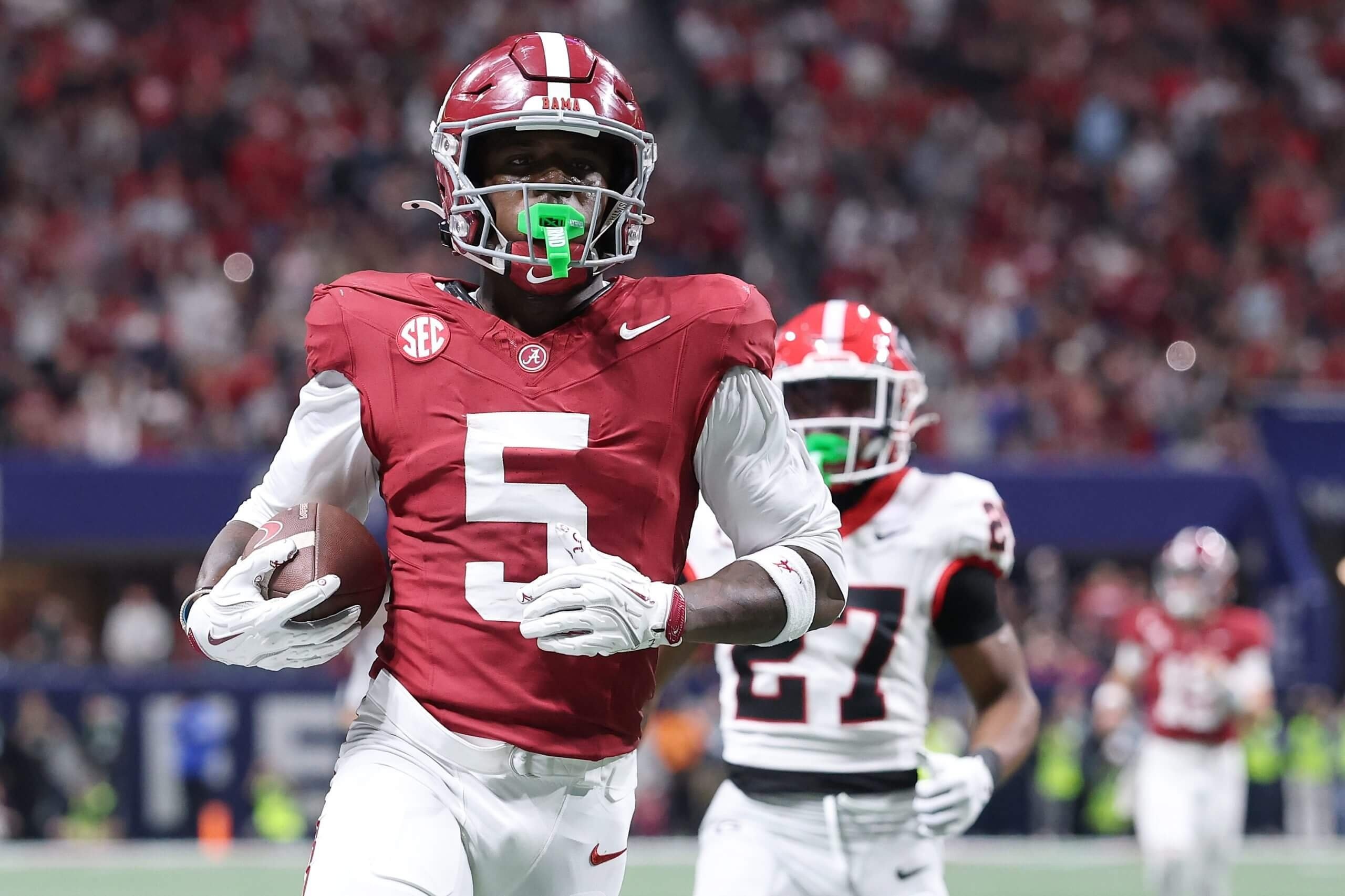
Running back Jadarian Price, chosen with the 47th overall pick, receives a clear path to the starting lineup.
Seattle’s backfield has been thin after the departures of Kenneth Walker III and other contributors, making Price’s selection a priority.
Safety Bud Clark, taken at No. 77, joins a secondary anchored by veteran Julian Love and young prospect Ty Okada.
Clark’s clean path to a starting safety role stems from the team’s intent to refresh the defensive backfield.
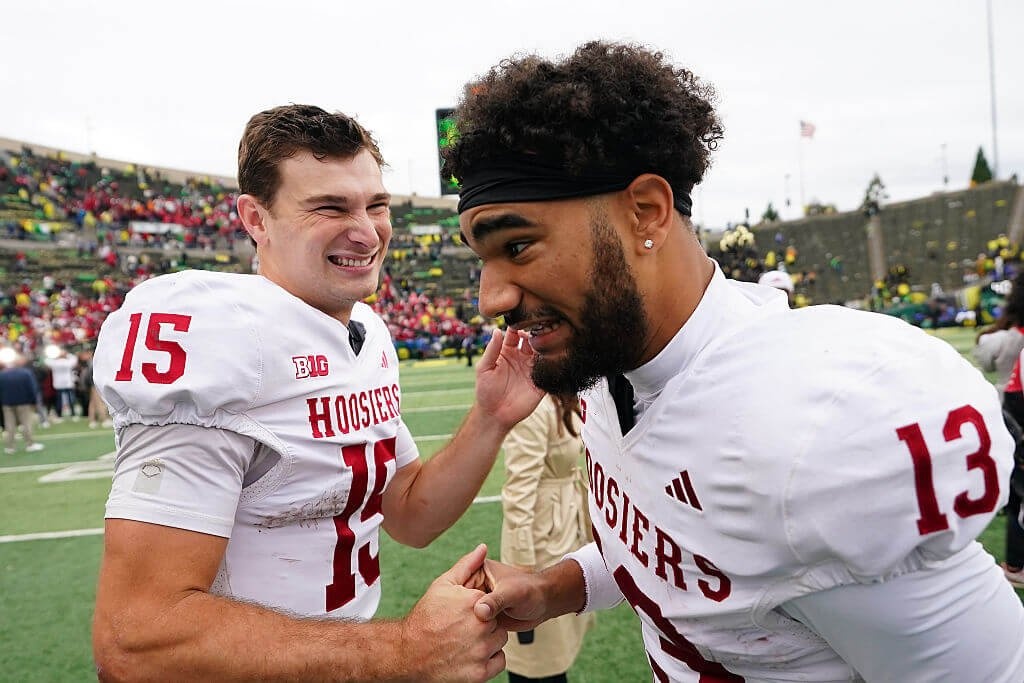
Guard Beau Stephens, selected at No. 148, was projected as the 125th player on the consensus board, providing depth behind first‑round left guard Grey Zabel.
Right‑guard competition includes 2023 fourth‑round pick Anthony Bradford, who will become a free agent after the season.
Seahawks’ backup guard roster also features Christian Haynes (2024 third round) and Bryce Cabeldue (2025 sixth round).
Emily‑level analysis shows that Stephens’ zone‑blocking experience aligns with Seattle’s run‑heavy offensive scheme.
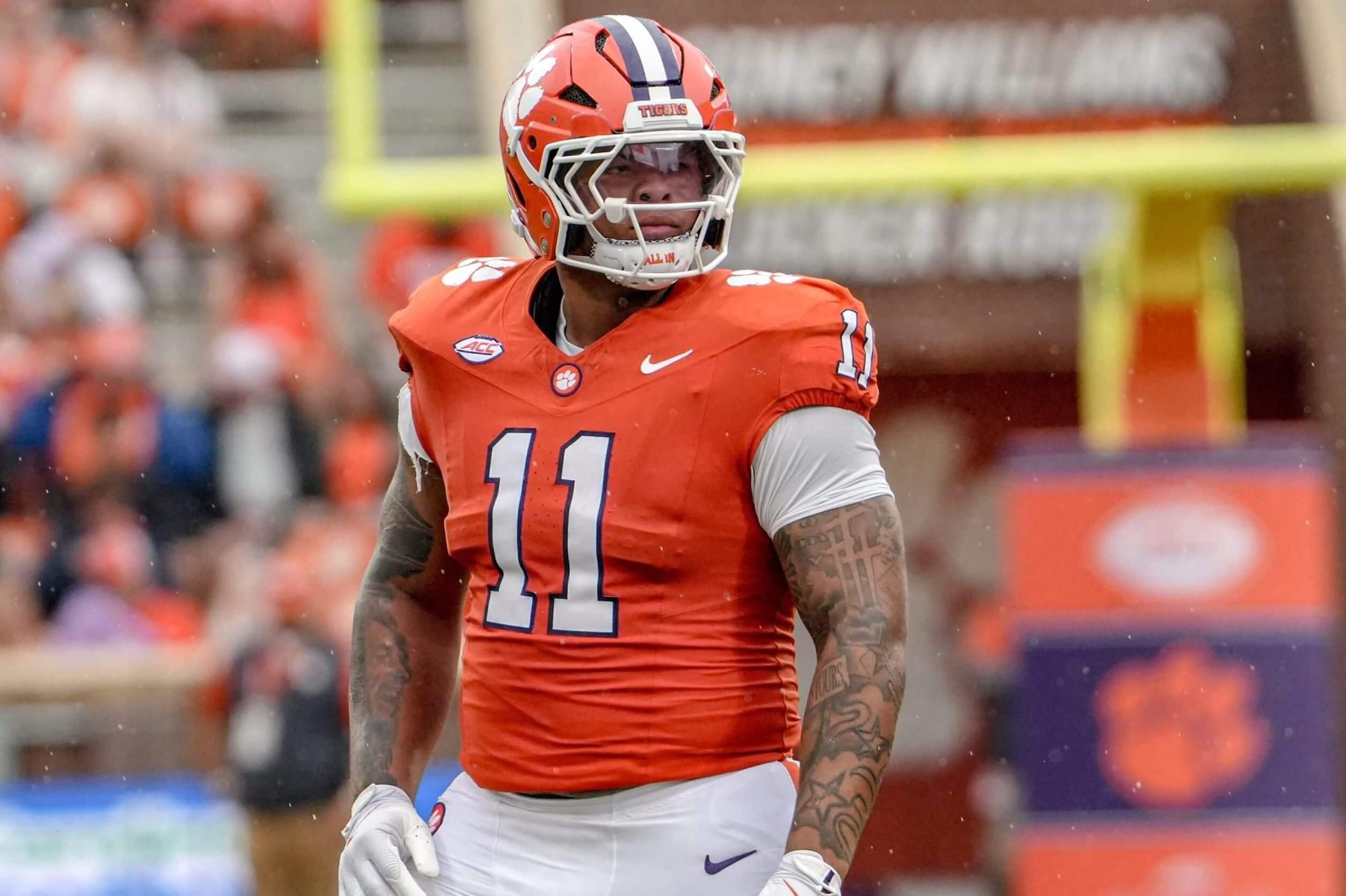
Defensive end and edge‑rusher depth remains a concern, as Seattle has not drafted an edge player for the third consecutive year.
The team’s top three edge rushers—DeMarcus Lawrence, Uchenna Nwosu, and Derick Hall—are solid, yet lack clear successors.
Free‑agency acquisitions have not addressed this need; the Seahawks lost former starter Boye Mafe to the Bengals.
Coach Mike Macdonald highlighted the performance of undrafted free agents Jared Ivey and Connor O’Toole as potential internal solutions.
Both Ivey and O’Toole avoided waivers throughout the previous season, suggesting confidence in their developmental trajectories.
Emmanuel Henderson Jr., a seventh‑round wide receiver, joins a receiver room featuring Jaxon Smith‑Njigba, Cooper Kupp, and Rashid Shaheed.
Henderson’s college production includes four receptions of 50+ yards, ranking second among Power‑4 players for big‑play potential.
His special‑teams experience—14 career tackles and kick‑return duties—adds versatility to Seattle’s roster.
Schneider praised Henderson as an “outstanding special teams player,” indicating immediate utility in preseason competition.
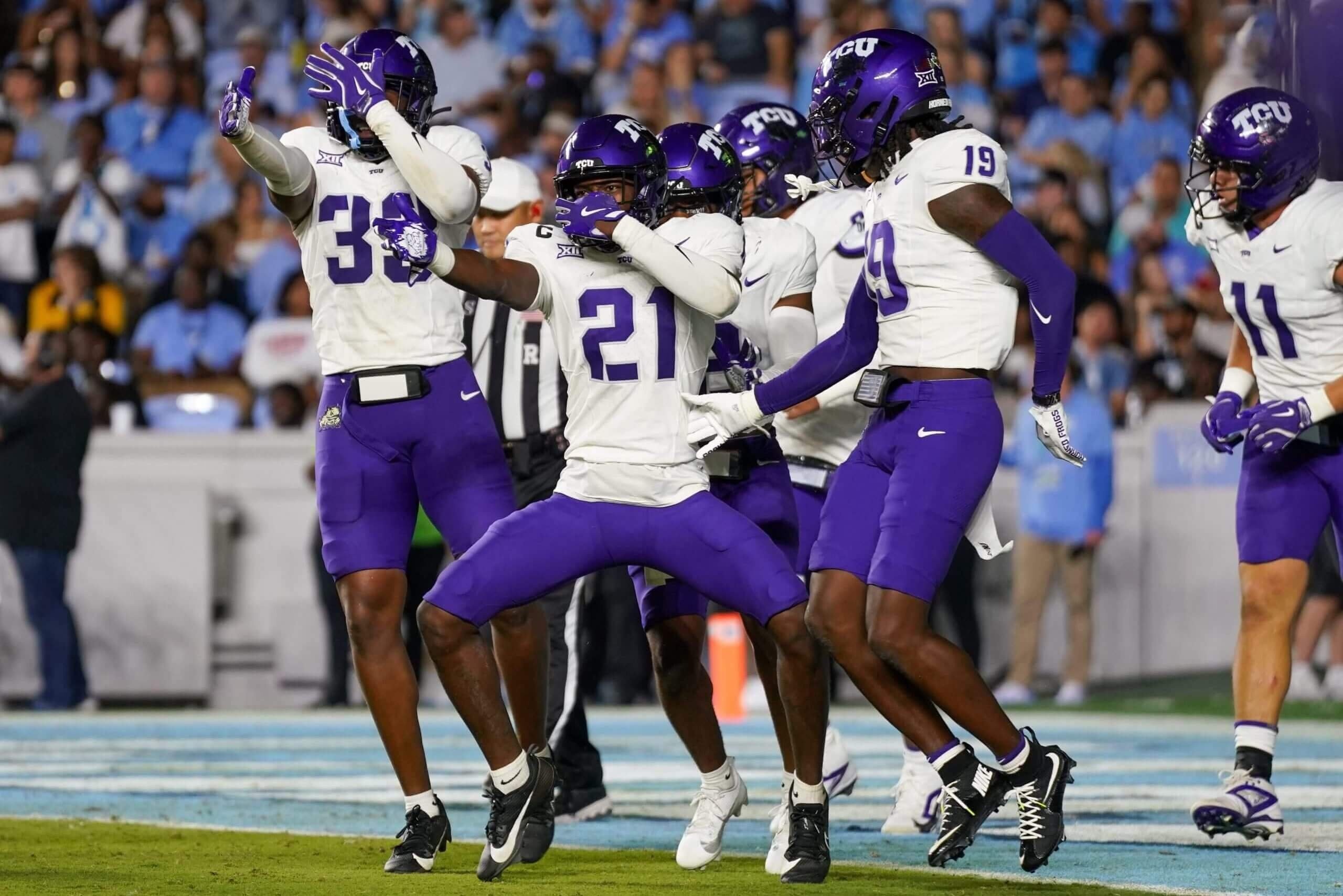
The Seahawks also secured cornerbacks Andre Fuller and Michael Dansby, both late‑round picks intended to bolster depth behind Devon Witherspoon and Josh Jobe.
Fuller and Dansby’s selection reflects a broader strategy of accumulating developmental talent across the secondary.
Seattle’s draft capital outlook for 2027 is robust, with projected compensatory picks from the loss of Mafe, Bryant, Walker III, and Woolen.
Additionally, the franchise will receive a seventh‑round compensatory pick from the Falcons for the trade involving offensive tackle Mike Jerrell.
This surplus of future picks gave the Seahawks the flexibility to trade a 2027 fourth‑rounder for Stephens in the current draft.
Schneider described the trade as a response to a “big gap” in talent at the guard position, justifying the use of future assets.
In terms of draft value, the first three selections—Price, Clark, and safety Neal—were taken slightly earlier than consensus rankings predicted.
While not outright steals, these picks could be viewed as value if the players contribute immediately.
Neal, selected at No. 123, adds depth to the safety corps and competes for playing time alongside Clark.
Table 1 summarizes Seattle’s draft selections and associated rounds.
| Round | Pick | Player |
|---|---|---|
| 2 | 47 | Jadarian Price (RB) |
| 3 | 77 | Bud Clark (S) |
| 4 | 123 | Neal (S) |
| 5 | 148 | Beau Stephens (G) |
| 6 | 199 | Emmanuel Henderson Jr. (WR) |
| 7 | 242 | Deven Eastern (NT) |
| 7 | 236 | Andre Fuller (CB) |
| 7 | 255 | Michael Dansby (CB) |
The addition of Price directly addresses the Seahawks’ most pressing offensive need.
Running backs have traditionally been a weak point for Seattle, making this early investment strategically significant.
Defensive safety depth improves with Clark and Neal, offering potential replacements for aging veterans.
Guard depth is enhanced by Stephens, who brings experience from a top‑ranked Big Ten offensive line.
Cornerback depth now includes two developmental players who can contribute on special teams and provide rotational snaps.
Wide receiver depth remains strong, yet Henderson’s ability to make big plays could elevate his status beyond a typical seventh‑rounder.
Special‑teams contributions from Henderson may also influence roster decisions during preseason cuts.
The Seahawks’ lack of an edge‑rusher draft pick continues a pattern that began in 2024.
Analysts note that the 2026 draft featured 16 edge rushers within the top 100 selections, underscoring the missed opportunity.
Potential free‑agency targets such as veteran defensive end Dante Fowler Jr. have been identified as possible solutions.
Fowler’s 2025 pressure rate of 13 percent aligns closely with Seattle’s current edge‑rusher metrics.
Acquiring Fowler would not affect the team’s projected 2027 compensatory picks, preserving future draft flexibility.
Seattle’s roster heading into the 2026 season is widely regarded as one of the league’s strongest.
The infusion of a starting‑level running back and additional depth at key positions enhances an already competitive squad.
Remaining roster questions involve the edge‑rusher position and the center spot, where Jalen Sundell and Olu Oluwatimi have expiring contracts.
Overall, the Seahawks’ draft strategy prioritized quantity and positional coverage over high‑profile steals.
Schneider’s post‑draft comments reflected satisfaction with the volume of picks despite the challenges of early‑round negotiations.
Future scouting and development will determine whether the later‑round selections, particularly the seventh‑rounders, evolve into contributors.
Historical precedent shows that late‑round players such as Chris Carson and Malcolm Smith have become impactful NFL talents.
Seattle’s front office appears prepared to invest the necessary coaching resources to maximize the potential of its expanded rookie class.